

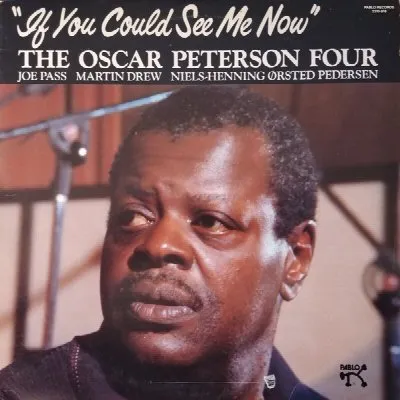
If You Could See Me Now
Oscar Peterson · 1983
41 min · 6 tracks · blues
A vibrant blend of intricate bebop melodies and soulful blues, showcasing Peterson's dazzling piano virtuosity.
Top tracks — play these first
-
→
Weird Blues Start here — This track opens the album with an infectious groove, revealing Peterson's playful improvisational style while blending complex rhythms with accessible melodies.
-
→
If You Could See Me Now — The title track encapsulates the emotional depth of the album, featuring lush harmonies and a lyrical piano performance that captures the listener's attention.
-
→
Limehouse Blues — This rendition showcases Peterson's technical brilliance and ability to reinterpret classic standards, transforming the familiar tune into a fresh experience filled with intricate variations.
Elevation
Our rating, out of 100 — and why.
AI-generated from five scored dimensions. An opinion, not a measurement.
Peterson's blend of bebop and blues creates a vibrant sound, though it follows familiar jazz structures.
What we noticed
- The album features a consistent use of syncopated rhythms and intricate chord progressions, particularly evident in the opening track 'Weird Blues'.
- Each track showcases Peterson's virtuosic piano technique, with rapid runs and complex improvisations that highlight his bebop influences.
- The final track, 'Limehouse Blues', incorporates a faster tempo and a more upbeat feel compared to the preceding pieces, creating a dynamic shift in energy.
- Composition 25% of the score
-
8/10
- Craft 20% of the score
-
8/10
- Durability 25% of the score
-
7/10
- Distinctiveness 18% of the score
-
7/10
- Sequencing 12% of the score
-
6/10
the writing — melody, harmony, structure, lyrics
production, performance, arrangement
whether it rewards returning to it
whether it sounds like itself
running order, pacing, length
Known within its scene. Reported but not counted — how far a record travelled describes its reception rather than the record, and a newer release has had less time to travel than an older one.
Is this for you?
Good fit if you like
- steady mid-tempo piano exploration
- rich melodic improvisation journeys
- thoughtful evening listening experience
- bluesy warmth for introspection
Maybe skip if you
- seeking fast-paced excitement
- prefer short, standalone tracks
Where this album fits
- In the catalog
- Critical Peak — Showcases Peterson's artistic growth, blending bebop and blues influences, receiving acclaim.
- Themes
- bluesy improvisation· personal expression· Danish coastal inspiration
- Moods
- Melancholy· Chill
- Career context
- By 1983, Oscar Peterson was an established jazz icon with over three decades of influential recordings. 'If You Could See Me Now' followed his acclaimed album 'The Trio' and marked a continued evolution in his style, emphasizing rich harmonies and complex rhythms that reflect both personal maturity and artistic exploration.
- Stylistic neighbors
- Bill Evans· Herbie Hancock· McCoy Tyner
Moments worth listening for
Where the writing does something specific.
-
If You Could See Me Now
The narrative shifts from introspective reflections to an emotionally charged plea for connection, highlighting vulnerability.
This structural choice deepens the emotional impact by contrasting self-reflection with a direct appeal, making it one of the most poignant moments on the album.
Tracklist
- 1 Weird Blues Start here 6:45
- 2 If I Should Lose You 6:22
- 3 On Danish Shore 8:35
- 4 L'Impossible 6:05
- 5 If You Could See Me Now 7:28
- 6 Limehouse Blues 6:04
If this landed
Records by other artists that run on the same instinct.

Reference: Wikipedia · MusicBrainz · Wikidata
Sync your library
Everything you track here works immediately — no account needed. Create one when you want to sync across devices.