

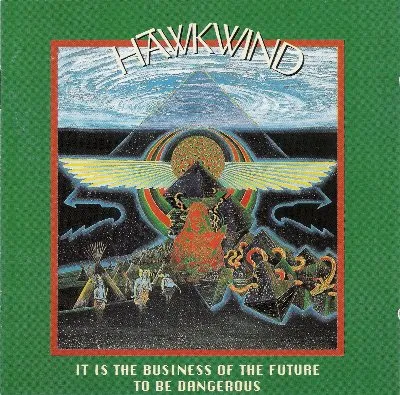
It Is the Business of the Future to Be Dangerous
Hawkwind · 1993
63 min · 12 tracks · progressive rock
Space-rock drift meets dance-floor pulse as long grooves give way to brief songs and uneasy visions of conflict.
Top tracks — play these first
-
→
It Is the Business of the Future to Be Dangerous Start here — The opening track sets the album's futuristic tone, stretching its central groove across more than six minutes rather than rushing toward a conventional rock payoff.
-
→
Space Is Their (Palestine) — At nearly twelve minutes, this is the album's longest excursion, giving Hawkwind room to develop its space-rock atmosphere on an expansive scale.
-
→
Tibet Is Not China (Part 1) — The first half of a two-part piece brings an explicitly political subject into the record's speculative setting, grounding its cosmic outlook in a territorial conflict.
-
→
Gimme Shelter — Hawkwind's version of the Rolling Stones song brings a familiar vision of violence and impending disaster into the album's anxious world.
Elevation
Our rating, out of 100 — and why.
AI-generated from five scored dimensions. An opinion, not a measurement.
The album combines politically charged themes with progressive rock elements, showcasing both strengths and weaknesses in composition and execution.
What we noticed
- The album opens with a title track that features a slow build-up of layered synths and guitar, establishing a spacey atmosphere.
- Tracks 3 and 4 are distinct parts of a suite, each exploring different musical themes while maintaining lyrical continuity about Tibet's sovereignty.
- The final track is an ambient piece that gradually fades out, leaving the listener in a reflective state.
- Composition 25% of the score
-
6/10
- Craft 20% of the score
-
6/10
- Durability 25% of the score
-
5/10
- Distinctiveness 18% of the score
-
6/10
- Sequencing 12% of the score
-
7/10
the writing — melody, harmony, structure, lyrics
production, performance, arrangement
whether it rewards returning to it
whether it sounds like itself
running order, pacing, length
Known within its scene. Reported but not counted — how far a record travelled describes its reception rather than the record, and a newer release has had less time to travel than an older one.
Is this for you?
Good fit if you like
- dynamic exploration of themes
- wave-like pacing with shifts
- politically charged reflections
- thought-provoking late-night listening
Maybe skip if you
- seek instant gratification
- prefer predictable song structures
Where this album fits
- In the catalog
- Late Career Highlight — Represents a strong return and resurgence for the band post-1980s hiatus.
- Themes
- Tibetan independence· space-age activism· modern dangers
- Career context
- Released in 1993, It Is the Business of the Future to Be Dangerous followed Hawkwind's 1992 album Electric Tepee. It found the long-running British space-rock band working with dance-oriented rhythms alongside its customary extended excursions.
- Stylistic neighbors
- Gong· Pink Fairies· Amon Düül II
Moments worth listening for
Where the writing does something specific.
-
Gimme Shelter
A verse names rape and murder before repeating that they are close at hand.
The repetition turns a catalogue of violence into an immediate threat, narrowing the distance between public catastrophe and the listener.
Tracklist
- 1 It Is the Business of the Future to Be Dangerous Start here 6:26
- 2 Space Is Their (Palestine) 11:46
- 3 Tibet Is Not China (Part 1) 3:39
- 4 Tibet Is Not China (Part 2) 3:20
- 5 Let Barking Dogs Lie 9:01
- 6 Wave Upon Wave 3:12
- 7 Letting in the Past 2:53
- 8 The Camera That Could Lie 4:55
- 9 3 or 4 Erections in the Course of a Night 2:03
- 10 Techno Tropic Zone Exists 4:31
- 11 Gimme Shelter 5:33
- 12 Avante 6:02
What to play next
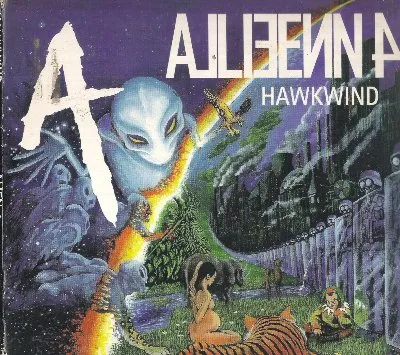
Alien 4
1995
Continues the progressive and space rock themes with a fresh sonic exploration.
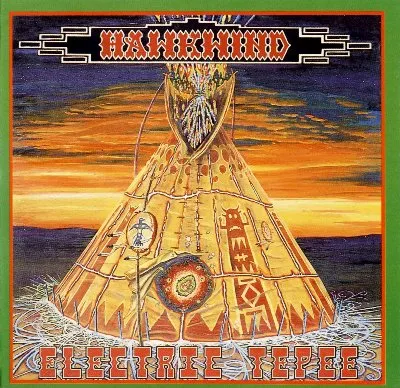
Electric Tepee
1992
Sets the stage with similar political themes and experimental sounds.
If this landed
Records by other artists that run on the same instinct.
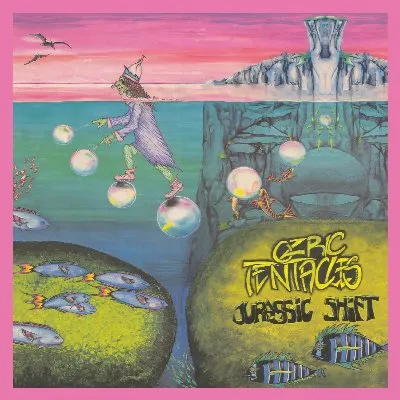
Jurassic Shift
Ozric Tentacles
Shares the early-'90s space-rock setting, extended instrumental journeys, and spiraling synth-and-guitar textures.
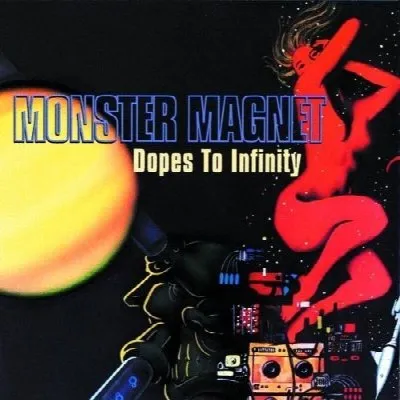
Dopes to Infinity
Monster Magnet
Pairs heavy psychedelic riffs with cosmic imagery and a similarly looming sense of modern unease.
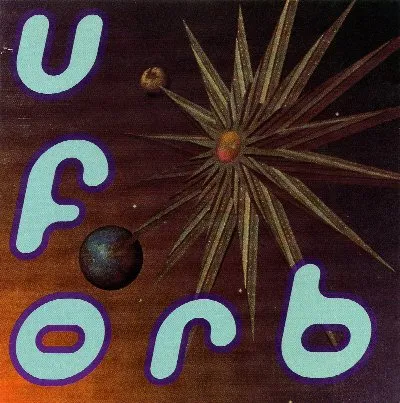
U.F.Orb
The Orb
Turns space-age ideas into long, drifting explorations, with dub electronics replacing Hawkwind's rock propulsion.
Reference: Wikipedia · MusicBrainz · Wikidata
Sync your library
Everything you track here works immediately — no account needed. Create one when you want to sync across devices.