

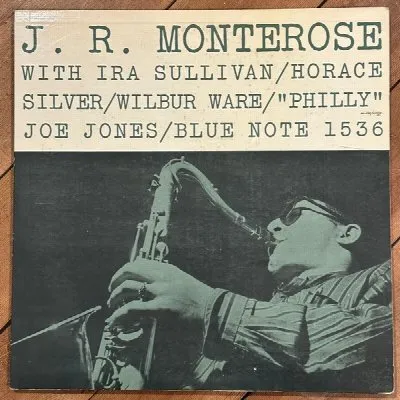
Released 70 years ago
J. R. Monterose
J. R. Monterose · 1956
48 min · 7 tracks · jazz
A vibrant interplay of intricate melodies and complex rhythms showcasing the improvisational spirit of mid-century jazz.
Top tracks — play these first
-
→
Wee-Jay Start here — This track features a captivating melody that highlights Monterose's fluid saxophone technique and showcases his ability to weave complex harmonies effortlessly.
-
→
Ka-Link — The extended form of this piece allows for expansive improvisation, emphasizing Monterose's skillful navigation through intricate chord changes while maintaining a cohesive structure.
-
→
Bobbie Pin — With its catchy theme and engaging interplay between band members, this track exemplifies the collaborative spirit of the album, showcasing tight ensemble playing alongside individual expressions.
Elevation
Our rating, out of 100 — and why.
AI-generated from five scored dimensions. An opinion, not a measurement.
InstrumentalMonterose's debut showcases strong improvisation and solid arrangements, marking its place in hard bop history.
What we noticed
- The first three tracks feature a consistent hard-bop rhythm with intricate saxophone lines that showcase Monterose's improvisational skills.
- The album includes several extended solos, particularly on 'Marc V', where the saxophone interacts dynamically with the rhythm section.
- The final track is an alternate take of 'Wee-Jay', which provides a contrasting interpretation of the earlier piece, emphasizing Monterose's versatility.
- Composition 25% of the score
-
7/10
- Craft 20% of the score
-
8/10
- Durability 25% of the score
-
6/10
- Distinctiveness 18% of the score
-
7/10
- Sequencing 12% of the score
-
5/10
the writing — melody, harmony, structure, lyrics
production, performance, arrangement
whether it rewards returning to it
whether it sounds like itself
running order, pacing, length
Known within its scene. Reported but not counted — how far a record travelled describes its reception rather than the record, and a newer release has had less time to travel than an older one.
Is this for you?
Good fit if you like
- inventive improvisation throughout tracks
- vibrant rhythms for active listening
- dynamic shifts in pacing
- explorative journey through sound
Maybe skip if you
- prefer straightforward song structures
- seek immediate gratification
Where this album fits
- Themes
- hard-bop innovation· 1950s jazz scene· improvisational interplay
- Career context
- Released in 1956, J. R. Monterose marks the debut album of saxophonist J. R. Monterose, who was emerging as a significant voice in the jazz scene. At this time, Monterose was navigating the transition from sideman roles to a featured artist, establishing his presence among contemporaries such as John Coltrane and Wayne Shorter.
- Stylistic neighbors
- Sun Ra· Charles Mingus· Oliver Nelson
Tracklist
- 1 Wee-Jay Start here 6:56
- 2 The Third 5:15
- 3 Bobbie Pin 8:03
- 4 Marc V 6:30
- 5 Ka-Link 9:01
- 6 Beauteous 5:24
- 7 Wee-Jay [alternate take] 7:17
If this landed
Records by other artists that run on the same instinct.

Reference: Wikipedia · MusicBrainz · Wikidata
Sync your library
Everything you track here works immediately — no account needed. Create one when you want to sync across devices.