


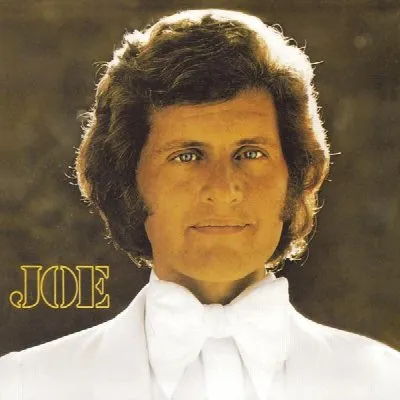
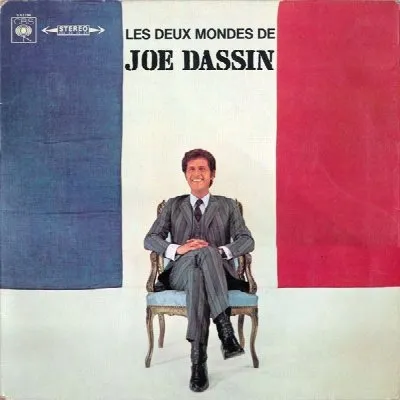
Joe Dassin
Joe Dassin · 1969
34 min · 12 tracks · chanson
Dassin’s easy baritone carries street-corner stories through buoyant French pop with a touch of American swing.
Top tracks — play these first
-
→
Le Chemin de papa Start here — establishes the sonic palette early
-
→
Les Champs-Élysées — A chance meeting becomes a breezy Parisian promenade, with Dassin’s relaxed delivery making the bustling avenue feel intimate.
-
→
Siffler sur la colline — Its jaunty melody and whistling frame a comic story of a romantic appointment that never quite goes to plan.
-
→
Le Petit Pain au chocolat — Dassin turns a daily bakery visit into a miniature courtship, giving an ordinary routine the charm of a pop fable.
-
→
La Bande à Bonnot — The song draws on the story of France’s notorious early-20th-century outlaw gang, adding a historical adventure to the album’s lighter romantic narratives.
Elevation
Our rating, out of 100 — and why.
AI-generated from five scored dimensions. An opinion, not a measurement.
Dassin's blend of orchestration and engaging melodies captures the essence of French pop, though it follows familiar patterns.
What we noticed
- The album features a consistent use of orchestral arrangements, with strings and brass complementing Dassin's vocals across most tracks.
- Several songs incorporate playful call-and-response sections, particularly in 'Siffler sur la colline' and 'Mé qué mé qué', enhancing the interactive feel.
- The tempo varies throughout, with tracks like 'Les Champs-Élysées' maintaining an upbeat pace while others, such as 'Mon village du bout du monde', slow down for reflective moments.
- Composition 25% of the score
-
7/10
- Craft 20% of the score
-
8/10
- Durability 25% of the score
-
6/10
- Distinctiveness 18% of the score
-
6/10
- Sequencing 12% of the score
-
7/10
the writing — melody, harmony, structure, lyrics
production, performance, arrangement
whether it rewards returning to it
whether it sounds like itself
running order, pacing, length
Known within its scene. Reported but not counted — how far a record travelled describes its reception rather than the record, and a newer release has had less time to travel than an older one.
Is this for you?
Good fit if you like
- short, catchy listening sessions
- nostalgic and cheerful vibes
- lighthearted afternoon enjoyment
- mellow background ambience
Where this album fits
- In the catalog
- Breakthrough — This album solidified Dassin's international recognition post 'Les Champs-Élysées'.
- Themes
- Parisian nostalgia· carefree summer days· everyday whimsy
- Career context
- By this 1969 album, Joe Dassin had moved from his early recordings for CBS France to a run of French pop hits, including 1968’s “Siffler sur la colline.” The record gathers that hit alongside newer songs, including “Les Champs-Élysées,” as his conversational style reached a broad audience.
- Stylistic neighbors
- Jacques Brel· Charles Aznavour· Françoise Hardy
Tracklist
- 1 Le Chemin de papa Start here 2:30
- 2 Le Petit Pain au chocolat 3:26
- 3 Les Champs-Élysées 2:39
- 4 Siffler sur la colline 2:39
- 5 Mon village du bout du monde 3:20
- 6 Mé qué mé qué 2:38
- 7 Ma bonne étoile 2:39
- 8 Un peu comme toi 3:00
- 9 La Bande à Bonnot 2:51
- 10 La Violette africaine 3:27
- 11 Le Temps des œufs au plat 2:53
- 12 Sunday Times 2:22
If this landed
Records by other artists that run on the same instinct.
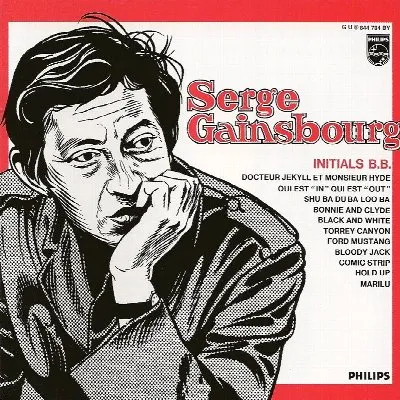
Initials B.B.
Serge Gainsbourg
Shares urbane French chanson, orchestral pop textures, and a distinctly late-'60s Parisian mood.
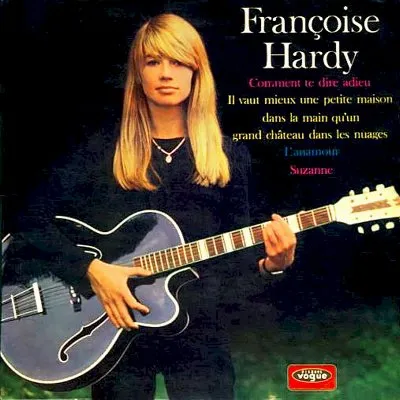
Comment te dire adieu
Françoise Hardy
Pairs melodic French pop with wistful romance and the polished, lightly buoyant sound of the late '60s.
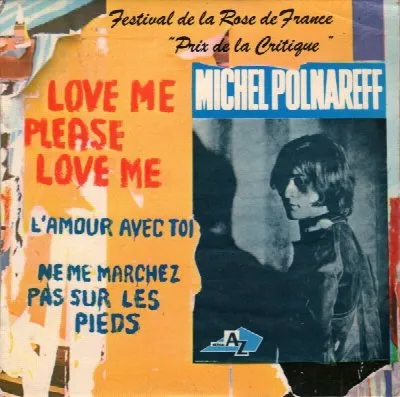
Love Me Please Love Me
Michel Polnareff
Matches Dassin's tuneful chanson-pop with playful arrangements and a breezy, romantic sensibility.
Reference: Wikipedia · MusicBrainz · Wikidata
Sync your library
Everything you track here works immediately — no account needed. Create one when you want to sync across devices.