

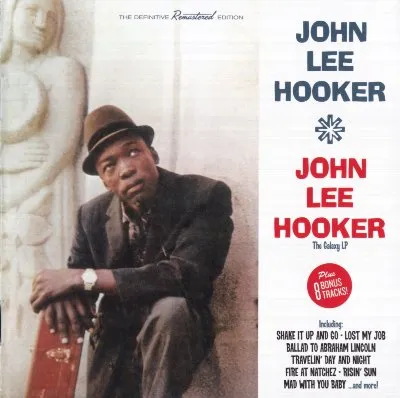
John Lee Hooker
John Lee Hooker · 1962
35 min · 12 tracks · blues
A close-set blues voice and guitar carry stories from domestic squabbles to a devastating nightclub fire.
Top tracks — play these first
-
→
Might as Well Say We're Through Start here — establishes the sonic palette early
-
→
Lost My Job — An account of unemployment brings economic hardship into the album’s close-up world of troubled relationships and restless travel.
-
→
Fire at Natchez — Hooker turns the Rhythm Club disaster into a blues narrative, giving the album a striking connection to a real historical tragedy.
-
→
My Mother-In-Law Moved In — A domestic predicament offers a wry counterpoint to the record’s darker stories, showing how conversational humor can drive a blues performance.
-
→
Ballad to Abraham Lincoln — The closing track turns toward a historical figure, extending the album’s storytelling beyond the immediate troubles of everyday life.
Elevation
Our rating, out of 100 — and why.
AI-generated from five scored dimensions. An opinion, not a measurement.
The album showcases strong songwriting and performance while maintaining a cohesive sound throughout.
What we noticed
- The album features a consistent use of repetitive, driving rhythms that anchor each track, allowing Hooker's vocals to take center stage.
- Several tracks incorporate call-and-response patterns between Hooker's voice and the guitar, enhancing the raw, conversational feel of the music.
- The last three tracks slow down the tempo significantly, creating a reflective mood that contrasts with the earlier, more energetic songs.
- Composition 25% of the score
-
7/10
- Craft 20% of the score
-
8/10
- Durability 25% of the score
-
6/10
- Distinctiveness 18% of the score
-
8/10
- Sequencing 12% of the score
-
6/10
the writing — melody, harmony, structure, lyrics
production, performance, arrangement
whether it rewards returning to it
whether it sounds like itself
running order, pacing, length
Significant within its genre. Reported but not counted — how far a record travelled describes its reception rather than the record, and a newer release has had less time to travel than an older one.
Is this for you?
Good fit if you like
- steady rhythmic storytelling journey
- short tracks for quick listens
- raw emotion in every note
- for reflective evenings
Maybe skip if you
- prefer lengthy immersive albums
- seek upbeat dance tracks
Where this album fits
- In the catalog
- Breakthrough — This album marked Hooker's transition to national recognition and showcased his evolving style.
- Themes
- love lost· historical storytelling· gritty blues narratives
- Career context
- Released in 1962, John Lee Hooker arrived more than a decade after the singer and guitarist’s 1948 breakthrough with “Boogie Chillen.” That same year, he toured Europe as part of the inaugural American Folk Blues Festival, bringing his Detroit-rooted blues to a growing overseas audience.
- Stylistic neighbors
- Junior Kimbrough· Howlin' Wolf· Lightnin' Hopkins
Tracklist
- 1 Might as Well Say We're Through Start here 2:40
- 2 Risin' Sun 2:54
- 3 Lost My Job 3:01
- 4 Left My Wife and My Baby 2:59
- 5 Travelin' Day and Night 2:56
- 6 Deep Down in My Heart 2:57
- 7 Shake It Up and Go 2:31
- 8 Fire at Natchez 3:08
- 9 The Sweetest Girl I Know 2:59
- 10 Mad With You Baby 2:58
- 11 My Mother-In-Law Moved In 3:09
- 12 Ballad to Abraham Lincoln 3:04
What to play next

Folk Blues
1962
Continues the raw blues sound while introducing more folk elements.
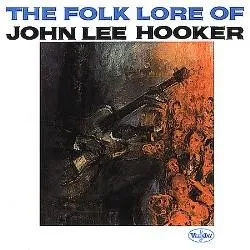
The Folk Lore of John Lee Hooker
1961
If this landed
Records by other artists that run on the same instinct.
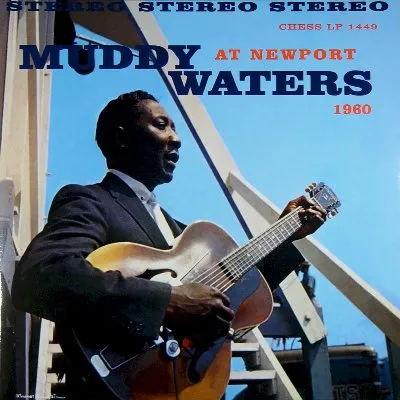
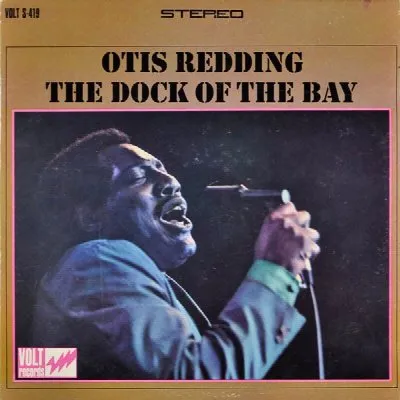
Reference: Wikipedia · MusicBrainz · Wikidata
Sync your library
Everything you track here works immediately — no account needed. Create one when you want to sync across devices.