

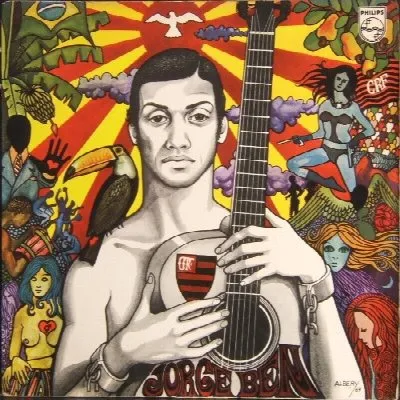
Released 57 years ago this November
Jorge Ben
Jorge Ben · 1969
38 min · 11 tracks · música popular brasileira
Jorge Ben’s spring-loaded guitar drives samba into a bright electric sound that moves with the swagger of a street parade.
Top tracks — play these first
-
→
Criola Start here — opens the album and establishes its rhythmic sound
-
→
País Tropical — Ben’s celebration of everyday Brazilian identity rides a buoyant groove; its later life as a hit made it one of his most widely recognized compositions.
-
→
Take It Easy My Brother Charles — A clipped English-language refrain and insistent rhythm show how Ben folds pop hooks into his syncopated samba vocabulary.
-
→
Que Pena — Its rueful vocal gives the album’s danceable momentum a more tender shade, with repetition turning regret into a rhythmic hook.
-
→
Charles, Anjo 45 — The closing track builds a character portrait over an extended groove, letting Ben’s storytelling and rhythmic drive share the foreground.
Elevation
Our rating, out of 100 — and why.
AI-generated from five scored dimensions. An opinion, not a measurement.
This album showcases a vibrant blend of samba and bossa nova with playful lyrics, marking a significant moment in Brazilian music.
What we noticed
- The album opens with a strong samba rhythm in 'Criola', setting a lively tone that persists through the first half.
- Tracks like 'País Tropical' feature call-and-response vocals, enhancing the communal feel typical of Brazilian music.
- Several songs incorporate unexpected shifts in tempo and instrumentation, such as the transition from bossa nova to rock elements in 'Take It Easy My Brother Charles'.
- The last track, 'Charles, Anjo 45', closes with a gradual fade-out, leaving a lingering sense of playfulness.
- Composition 25% of the score
-
8/10
- Craft 20% of the score
-
7/10
- Durability 25% of the score
-
6/10
- Distinctiveness 18% of the score
-
8/10
- Sequencing 12% of the score
-
7/10
the writing — melody, harmony, structure, lyrics
production, performance, arrangement
whether it rewards returning to it
whether it sounds like itself
running order, pacing, length
Significant within its genre. Reported but not counted — how far a record travelled describes its reception rather than the record, and a newer release has had less time to travel than an older one.
Is this for you?
Good fit if you like
- short, lively listening bursts
- playful and upbeat vibes
- infectious groove enjoyment
- lighthearted, cheerful atmosphere
Where this album fits
- In the catalog
- Breakthrough — This album solidified Jorge Ben's reputation and influence in Brazilian music.
- Themes
- Brazilian national pride· Rio favela folklore· samba-rock rhythms
- Career context
- Released in 1969, Jorge Ben was the singer and guitarist’s sixth studio album, following O Bidu: Silêncio no Brooklin. It arrived as his distinctive samba swing met the electric instrumentation and pop experimentation associated with Brazil’s Tropicália era.
- Stylistic neighbors
- Gilberto Gil· Caetano Veloso· Os Mutantes
Tracklist
- 1 Criola Start here 3:32
- 2 Domingas 3:32
- 3 Cadê Tereza 3:23
- 4 Barbarella 3:16
- 5 País Tropical 4:11
- 6 Take It Easy My Brother Charles 2:37
- 7 Descobri Que Eu Sou Um Anjo 4:05
- 8 Bebete Vãobora 2:37
- 9 Quem Foi Que Roubou a Sopeira De Porcelana Chinesa Que a Vovó Ganhou Da Baronesa? 3:09
- 10 Que Pena 3:03
- 11 Charles, Anjo 45 4:50
What to play next
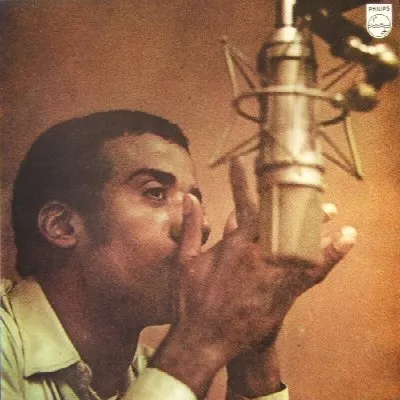
Fôrça Bruta
1970
Continues the vibrant samba and bossa nova fusion with rich instrumentation.
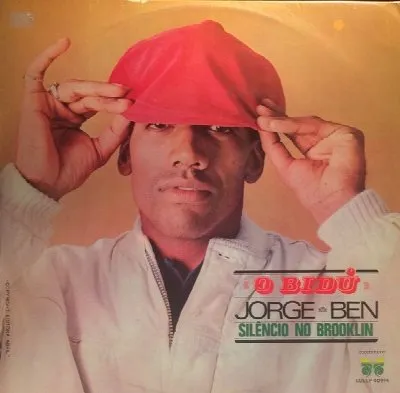
O Bidú – Silêncio no Brooklin
1967
Leads into a similar playful and rhythmic style that sets up the next album.
Reference: Wikipedia · MusicBrainz · Wikidata
Sync your library
Everything you track here works immediately — no account needed. Create one when you want to sync across devices.