

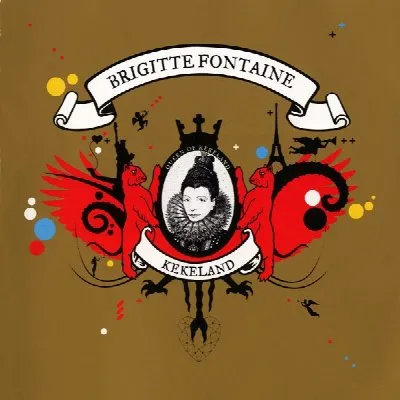
Kékéland
Brigitte Fontaine · 2001
55 min · 13 tracks · chanson
An experimental blend of chanson and eclectic sounds, weaving surreal narratives through playful melodies and poignant lyrics.
Top tracks — play these first
-
→
Demie Clocharde — Opening with a whimsical yet melancholic tune, this track sets the tone for the album's exploration of social themes through a playful lens. The juxtaposition of light-hearted instrumentation with deeper lyrical content serves as a hallmark of Fontaine's style.
-
→
God’s Nightmare — This track stands out for its darker thematic material, blending haunting melodies with evocative imagery that challenges listeners to confront unsettling truths. The contrast between the song's title and its melodic structure invites deeper reflection on existential fears.
-
→
Je t’aime encore — With a more traditional chanson vibe, this song showcases Fontaine's ability to convey complex emotions through simple yet effective lyrics. Its heartfelt delivery resonates with listeners while maintaining the album's overall experimental edge.
Elevation
Our rating, out of 100 — and why.
AI-generated from five scored dimensions. An opinion, not a measurement.
Kékéland showcases Brigitte Fontaine's unique blend of styles and narratives, making it a notable work in her discography.
What we noticed
- Several tracks incorporate unconventional instrumentation, such as found sounds and electronic elements, creating a textured soundscape.
- The sequencing alternates between upbeat tracks and more introspective pieces, maintaining listener engagement through dynamic contrasts.
- Composition 25% of the score
-
7/10
- Craft 20% of the score
-
8/10
- Durability 25% of the score
-
6/10
- Distinctiveness 18% of the score
-
8/10
- Sequencing 12% of the score
-
6/10
the writing — melody, harmony, structure, lyrics
production, performance, arrangement
whether it rewards returning to it
whether it sounds like itself
running order, pacing, length
Known within its scene. Reported but not counted — how far a record travelled describes its reception rather than the record, and a newer release has had less time to travel than an older one.
Is this for you?
Good fit if you like
- dynamic flow with emotional peaks
- vibrant tapestry of eclectic sounds
- engaging lyrical storytelling experience
- for reflective afternoons
Maybe skip if you
- prefer straightforward, instant gratification
- avoid complex, layered compositions
Where this album fits
- Career context
- By the time 'Kékéland' was released in 2001, Brigitte Fontaine was already an established figure in the French music scene, known for her avant-garde approach. This album marked her return after a five-year hiatus following 'Les Palaces', showcasing a continued evolution in her artistry as she embraced more eclectic influences.
- Stylistic neighbors
- Barbara· Françoise Hardy· Juliette Gréco
Moments worth listening for
Where the writing does something specific.
-
Y’a des Zazous
The narrative shifts from personal reflections to broader societal observations, highlighting generational changes and cultural nuances without losing its play…
This transition emphasizes Fontaine’s unique storytelling ability, where she critiques society while simultaneously celebrating individuality and freedom.
Tracklist
Best experienced from track one — press play and let it unfold.
- 1 Demie Clocharde 4:14
- 2 Bis Baby Boum Boum 5:08
- 3 Pipeau 2:38
- 4 Y’a des Zazous 2:52
- 5 Kekeland 3:31
- 6 Je fume 4:04
- 7 Je t’aime encore 3:09
- 8 God’s Nightmare 5:33
- 9 Guadalquivir 3:36
- 10 Les Filles d’aujourd’hui 3:37
- 11 Rififi 5:58
- 12 Profond 4:28
- 13 NRV 6:21
What to play next

Rue Saint Louis en l'Île
2004
Continues the experimental sound with rich narratives and eclectic influences.
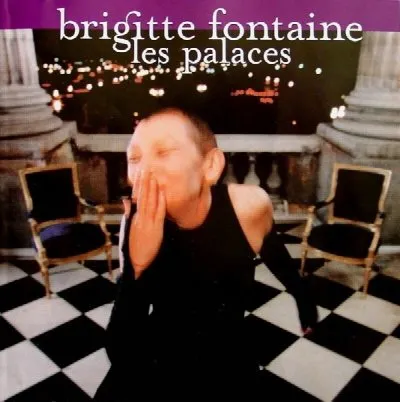
Les Palaces
1997
Sets the stage with a similar blend of avant-garde and chanson elements.
Reference: Wikipedia · MusicBrainz · Wikidata
Sync your library
Everything you track here works immediately — no account needed. Create one when you want to sync across devices.