

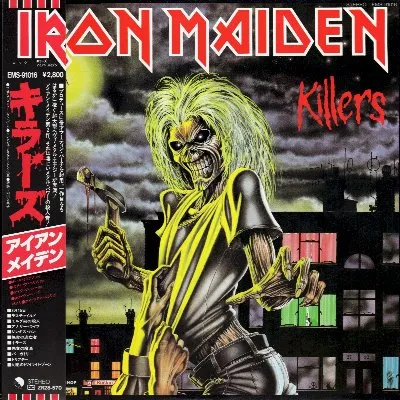
Killers
Iron Maiden · 1981
41 min · 11 tracks · heavy metal
Nervy bass lines drive twin guitars through a grimy collision of punk urgency and heavy metal precision.
Top tracks — play these first
-
→
Wrathchild Start here — Steve Harris’s immediately recognizable bass opening sets up a compact rush of riffs and Di’Anno’s defiant vocal, making it an economical introduction to this lineup.
-
→
Murders in the Rue Morgue — An Edgar Allan Poe-inspired crime narrative unfolds over racing rhythms, with a quieter opening giving way to the band’s more theatrical, fast-moving attack.
-
→
Killers — A stalking bass introduction builds into a violent guitar charge, while Di’Anno’s vocal gives the title track’s murderous perspective an unsettling immediacy.
-
→
Prodigal Son — Acoustic guitars and a comparatively restrained arrangement expose a more contemplative side of the band without abandoning the album’s ominous atmosphere.
Elevation
Our rating, out of 100 — and why.
AI-generated from five scored dimensions. An opinion, not a measurement.
The album showcases strong songwriting and energetic performances that define early heavy metal.
What we noticed
- The album opens with a brief instrumental track, setting a dramatic tone before launching into high-energy songs with fast tempos.
- Most tracks feature dual guitar harmonies and rapid drumming, creating a dense wall of sound characteristic of early heavy metal.
- Several songs incorporate tempo changes, shifting from galloping rhythms to slower, more melodic sections, particularly in 'Prodigal Son'.
- The lyrics often draw on literary themes and storytelling, evident in tracks like 'Murders in the Rue Morgue' and 'Genghis Khan'.
- Composition 25% of the score
-
7/10
- Craft 20% of the score
-
8/10
- Durability 25% of the score
-
6/10
- Distinctiveness 18% of the score
-
8/10
- Sequencing 12% of the score
-
7/10
the writing — melody, harmony, structure, lyrics
production, performance, arrangement
whether it rewards returning to it
whether it sounds like itself
running order, pacing, length
Significant within its genre. Reported but not counted — how far a record travelled describes its reception rather than the record, and a newer release has had less time to travel than an older one.
Is this for you?
Good fit if you like
- dynamic progression with climactic peaks
- short bursts of adrenaline
- narrative-driven lyrical explorations
- engaging riffs for active listening
- wave-like pacing for varied moods
Maybe skip if you
- prefer slow, steady tempos
- seek long, immersive pieces
Where this album fits
- In the catalog
- Breakthrough — 'Killers' solidified Iron Maiden's reputation and helped them gain mainstream recognition.
- Themes
- Edgar Allan Poe narratives· vengeful wrath· British heavy metal rebellion
- Career context
- Killers was Iron Maiden’s second album, following their self-titled 1980 debut. It introduced guitarist Adrian Smith, who replaced Dennis Stratton, and began the band’s long production partnership with Martin Birch. It was also their final studio album with singer Paul Di’Anno.
- Stylistic neighbors
- Judas Priest· Helloween· Megadeth
Tracklist
- 1 The Ides of March 1:45
- 2 Wrathchild Start here 2:54
- 3 Murders in the Rue Morgue 4:19
- 4 Another Life 3:22
- 5 Genghis Khan 3:06
- 6 Innocent Exile 3:53
- 7 Killers 5:01
- 8 Twilight Zone 2:34
- 9 Prodigal Son 6:11
- 10 Purgatory 3:21
- 11 Drifter 4:48
What to play next
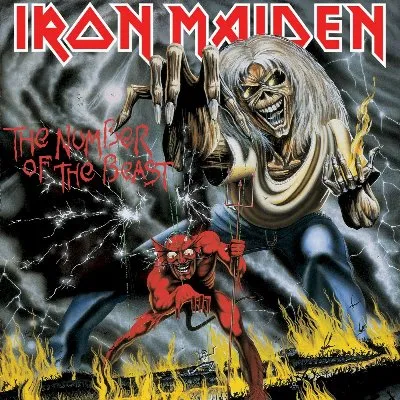
The Number of the Beast
1982
It continues the raw energy with more complex arrangements and iconic tracks.
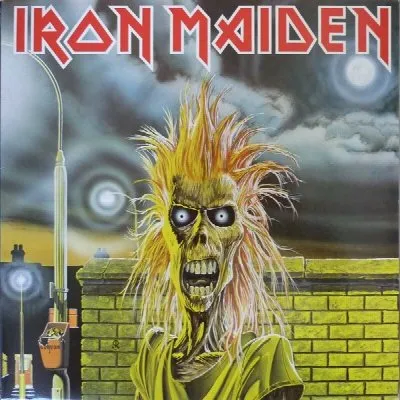
Iron Maiden
1980
It sets the stage for the sound and style developing into 'Killers'.
If this landed
Records by other artists that run on the same instinct.
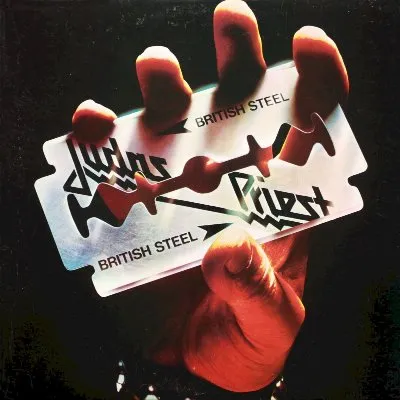
British Steel
Judas Priest
Shares aggressive riffs and a narrative style, marking a pinnacle of British heavy metal in the same era.
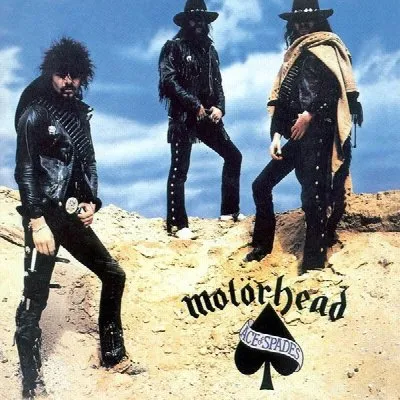
Ace of Spades
Motörhead
Combines raw speed and ferocity with storytelling lyrics, embodying the rebellious spirit of early metal.
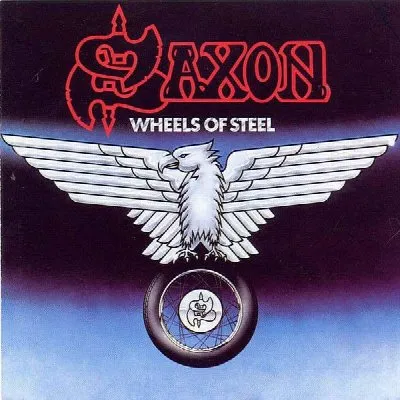
Wheels of Steel
Saxon
Features galloping rhythms and themes of rebellion, resonating with the NWOBHM sound from the same period.
Reference: Wikipedia · MusicBrainz · Wikidata
Sync your library
Everything you track here works immediately — no account needed. Create one when you want to sync across devices.