


Top tracks — play these first
-
→
Mr. Roboto Start here — This track exemplifies the album's fusion of rock and new wave while introducing the central narrative theme of technology's impact on humanity. Its memorable chorus and robotic vocals created an instantly recognizable anthem that defined the era.
-
→
Cold War — Echoing the geopolitical tensions of the time, this song features driving rhythms and lyrics that reflect anxiety over nuclear conflict, making it a poignant commentary relevant to the early 1980s.
-
→
Don't Let It End — A power ballad that showcases Styx's signature harmonies, this track serves as an emotional anchor within the album's narrative, emphasizing themes of love and desperation amidst societal turmoil.
Elevation
Our rating, out of 100 — and why.
AI-generated from five scored dimensions. An opinion, not a measurement.
The album's narrative and genre blend create a unique experience, though its appeal may not endure as strongly over time.
What we noticed
- The album features a narrative structure, with tracks interlinked by spoken word segments that advance the story.
- Synthesizers are prominently used alongside traditional rock instrumentation, creating a distinct sound that blends genres.
- Several tracks include repeated motifs and themes, particularly in the lyrics, reinforcing the album's overarching message.
- Composition 25% of the score
-
6/10
- Craft 20% of the score
-
7/10
- Durability 25% of the score
-
5/10
- Distinctiveness 18% of the score
-
7/10
- Sequencing 12% of the score
-
6/10
the writing — melody, harmony, structure, lyrics
production, performance, arrangement
whether it rewards returning to it
whether it sounds like itself
running order, pacing, length
Significant within its genre. Reported but not counted — how far a record travelled describes its reception rather than the record, and a newer release has had less time to travel than an older one.
Is this for you?
Good fit if you like
- steady mid-tempo progression
- thematic narrative exploration
- reflective moments of identity
- synth-driven futuristic atmosphere
Maybe skip if you
- prefer instant gratification tracks
- dislike narrative cohesion
Where this album fits
- In the catalog
- Breakthrough — This album marked Styx's transition into a more theatrical and synth-driven sound, gaining significant chart success.
- Themes
- Cold War anxiety· technological identity crisis· media excess satire
- Career context
- Released on February 22, 1983, 'Kilroy Was Here' marked Styx's first album after their commercial peak in the late 1970s. Following the success of 'The Grand Illusion' and 'Pieces of Eight', this record showcased a shift towards a more conceptual and synthesizer-heavy sound. The album's ambitious rock opera format reflected the band's desire to evolve their musical identity amidst changing industry trends.
Tracklist
- 1 Mr. Roboto Start here 5:28
- 2 Cold War 4:27
- 3 Don’t Let It End 4:56
- 4 High Time 4:33
- 5 Heavy Metal Poisoning 4:57
- 6 Just Get Through This Night 6:06
- 7 Double Life 3:46
- 8 Haven’t We Been Here Before 4:06
- 9 Don’t Let It End (reprise) 2:21


If this landed
Records by other artists that run on the same instinct.

Signals
Rush
Explores technology and identity with a blend of rock and synthesizers, echoing Cold War themes.
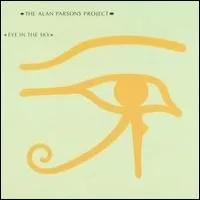
Eye in the Sky
The Alan Parsons Project
Combines progressive rock with a narrative focus on technology's impact, mirroring Kilroy's themes.

The Game
Queen
Merges rock anthems with futuristic elements, addressing media and identity in a theatrical way.
Reference: Wikipedia · MusicBrainz · Wikidata
Sync your library
Everything you track here works immediately — no account needed. Create one when you want to sync across devices.