


King of Pain
The Police · 1984
10 min · 2 tracks · new wave
A haunting blend of reggae and rock, woven with introspective lyrics and atmospheric production that evoke a sense of melancholy.
Top tracks — play these first
-
→
King of Pain — This title track encapsulates the band's signature sound with its poignant lyrics exploring themes of sorrow and resilience, showcasing Sting's evocative vocal delivery.
-
→
Tea in the Sahara (live) — The live version highlights the band's dynamic stage presence and ability to reinterpret their studio work, infusing this performance with raw emotion.
Elevation
Our rating, out of 100 — and why.
AI-generated from five scored dimensions. An opinion, not a measurement.
The track combines strong songwriting with atmospheric production, reflecting The Police's unique sound during their peak.
What we noticed
- The song features a steady, mid-tempo beat that maintains a consistent groove throughout its duration.
- The arrangement includes layered guitar riffs and synthesizers that create an atmospheric backdrop for the vocals.
- The lyrics are delivered with a measured, almost haunting vocal style, emphasizing the introspective themes.
- Composition 25% of the score
-
7/10
- Craft 20% of the score
-
8/10
- Durability 25% of the score
-
6/10
- Distinctiveness 18% of the score
-
7/10
- Sequencing 12% of the score
-
5/10
the writing — melody, harmony, structure, lyrics
production, performance, arrangement
whether it rewards returning to it
whether it sounds like itself
running order, pacing, length
Significant within its genre. Reported but not counted — how far a record travelled describes its reception rather than the record, and a newer release has had less time to travel than an older one.
Where this album fits
- In the catalog
- Late Career Highlight — Represents the band's enduring popularity and creative transition in their final phase.
- Themes
- personal struggle· post-peak fame· Saharan imagery
- Moods
- Melancholy· Introspective
- Career context
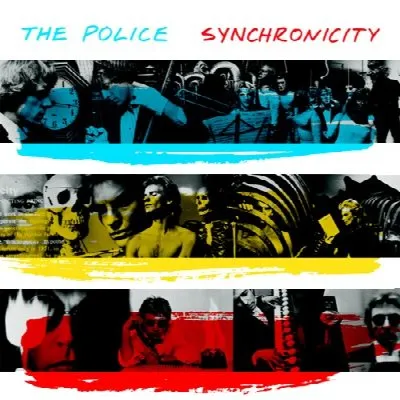
- Released in January 1984, 'King of Pain' marked a significant moment for The Police as they were transitioning towards the end of their commercial peak following their critically acclaimed album 'Synchronicity'. This release came at a time when the band's popularity was at its height, with lead singer Sting already establishing himself as a solo artist. The song encapsulates their signature sound while hinting at the evolving musical directions they would pursue.
- Stylistic neighbors
- Talking Heads· The Clash· U2
Tracklist
Best experienced from track one — press play and let it unfold.
- 1 King of Pain 4:59
- 2 Tea in the Sahara (live) 5:05
If this landed
Records by other artists that run on the same instinct.
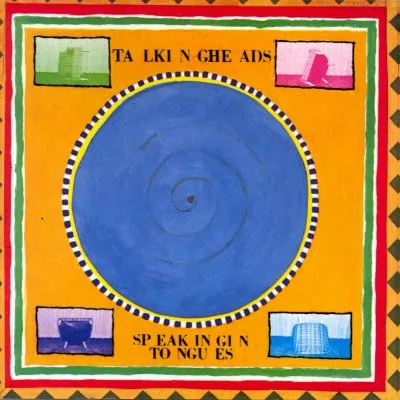
Speaking in Tongues
Talking Heads
Shares a similar blend of rhythmic innovation and introspective lyrics, capturing a post-punk ethos.
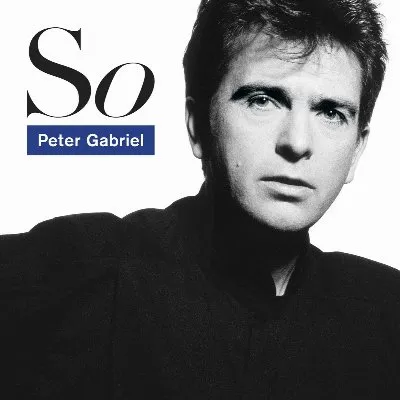
So
Peter Gabriel
Combines haunting melodies with themes of personal struggle and complex emotional landscapes in production.
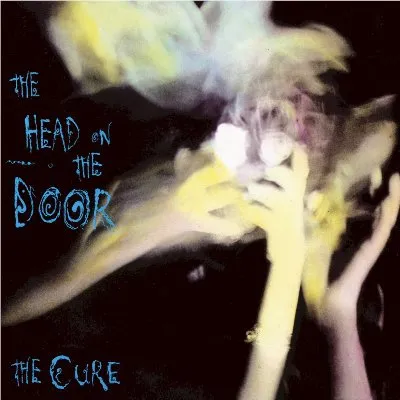
The Head on the Door
The Cure
Explores similar atmospheric soundscapes and introspective themes, fusing rock with new wave sensibilities.
Reference: Wikipedia · MusicBrainz · Wikidata
Sync your library
Everything you track here works immediately — no account needed. Create one when you want to sync across devices.