

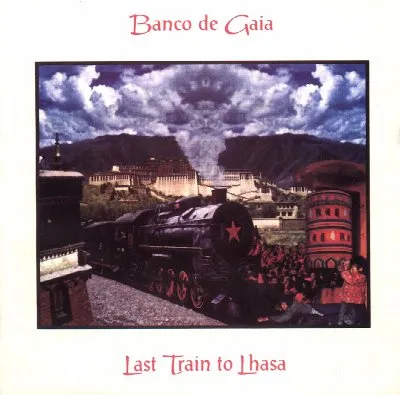
Last Train to Lhasa
Banco de Gaia · 1995
121 min · 10 tracks · techno
A hypnotic blend of downtempo grooves and world music samples, transporting listeners on an auditory journey through vast landscapes.
Top tracks — play these first
-
→
Last Train to Lhasa — The title track encapsulates the album's essence with its expansive length and intricate soundscapes, inviting listeners into a meditative experience that defines Banco de Gaia's style.
-
→
China (Clouds Not Mountains) — This track showcases a seamless blend of traditional Eastern melodies with modern electronic elements, highlighting Banco de Gaia's ability to bridge cultural divides through music.
-
→
Amber — Amber stands out for its lush textures and atmospheric depth, creating an immersive sound environment that exemplifies the album's thematic exploration of travel and introspection.
Elevation
Our rating, out of 100 — and why.
AI-generated from five scored dimensions. An opinion, not a measurement.
InstrumentalThe album blends electronic and world music elements effectively, creating a unique auditory experience.
What we noticed
- The first track establishes a steady, downtempo groove that persists through much of the album, creating a meditative atmosphere.
- World music samples are layered throughout, with distinct cultural motifs appearing in various tracks, enhancing the thematic journey.
- Several tracks feature gradual build-ups and breakdowns, allowing for dynamic shifts in energy while maintaining a cohesive sound.
- The last three tracks introduce variations on earlier themes, but they also incorporate remixes that alter the original compositions significantly.
- Composition 25% of the score
-
7/10
- Craft 20% of the score
-
8/10
- Durability 25% of the score
-
6/10
- Distinctiveness 18% of the score
-
8/10
- Sequencing 12% of the score
-
7/10
the writing — melody, harmony, structure, lyrics
production, performance, arrangement
whether it rewards returning to it
whether it sounds like itself
running order, pacing, length
Significant within its genre. Reported but not counted — how far a record travelled describes its reception rather than the record, and a newer release has had less time to travel than an older one.
Is this for you?
Good fit if you like
- hypnotic rhythms for deep focus
- long tracks for immersive experience
- transportive soundscapes for daydreaming
- patient builds that unfold slowly
Maybe skip if you
- prefer short, punchy tracks
- seek immediate gratification
Where this album fits
- Career context
- Released in 1995, Last Train to Lhasa was Banco de Gaia's third studio album, following their breakthrough with the critically acclaimed Maya. At this point in their career, the band had established a reputation for merging electronic music with global influences, solidifying their place within the burgeoning ambient and techno scenes.
- Stylistic neighbors
- The Orb· Global Communication· Eat Static
Tracklist
Best experienced from track one — press play and let it unfold.
Disc 1
- 1 Last Train to Lhasa 11:46
- 2 Kuos 6:58
- 3 China (Clouds Not Mountains) 7:32
- 4 Amber 7:36
- 5 Kincajou 6:50
- 6 White Paint 6:07
- 7 887 (Structure) 14:17
Disc 2
- 1 Kuos (Gnomes mix) 11:21
- 2 Kincajou (Duck! Asteroid) 36:11
- 3 Eagle (Small Steppa mix) 12:33
Reference: Wikipedia · MusicBrainz · Wikidata
Sync your library
Everything you track here works immediately — no account needed. Create one when you want to sync across devices.