


Leisure
Blur · 1991
50 min · 12 tracks · alternative rock
A blend of jangly guitars and dreamy melodies that encapsulate the early '90s Britpop sound.
Top tracks — play these first
-
→
She's So High Start here — This catchy opener showcases Damon Albarn's signature vocal style and the band's knack for blending pop sensibilities with alternative rock textures.
-
→
There's No Other Way — The track features a laid-back groove paired with introspective lyrics, exemplifying Blur’s early exploration of emotional themes within catchy melodies.
-
→
Bang — With its upbeat tempo and infectious chorus, this song highlights the band's ability to craft accessible yet thought-provoking tracks that resonate with listeners.
Elevation
Our rating, out of 100 — and why.
AI-generated from five scored dimensions. An opinion, not a measurement.
Leisure showcases Blur's early experimentation with sound but lacks the cohesion and depth of their later work.
What we noticed
- The first three tracks feature upbeat tempos and jangly guitars, while the fourth track introduces a slower, more reflective pace.
- Several songs utilize layered vocal harmonies, particularly in the chorus, creating a dreamy atmosphere.
- The album includes moments of dissonance and unconventional song structures, such as abrupt tempo changes and varied instrumentation.
- Composition 25% of the score
-
6/10
- Craft 20% of the score
-
6/10
- Durability 25% of the score
-
5/10
- Distinctiveness 18% of the score
-
6/10
- Sequencing 12% of the score
-
5/10
the writing — melody, harmony, structure, lyrics
production, performance, arrangement
whether it rewards returning to it
whether it sounds like itself
running order, pacing, length
Known within its scene. Reported but not counted — how far a record travelled describes its reception rather than the record, and a newer release has had less time to travel than an older one.
Is this for you?
Good fit if you like
- steady mid-tempo groove throughout
- introspective sing-along moments
- for relaxed afternoons
- melodic reflections on everyday life
Maybe skip if you
- seekers of high-energy tracks
- prefer standalone single hits
Where this album fits
- In the catalog
- Breakthrough — 'Leisure' established Blur's presence in the Britpop scene and garnered initial recognition.
- Themes
- youthful escapism· urban ennui· British suburban life
- Moods
- Introspective· Chill
- Career context
- Leisure is Blur's debut album, released on August 26, 1991, as they were beginning to carve their identity in the UK music scene. The band was fresh off forming in 1988 and was still establishing their sound, experimenting with a mix of alternative rock and pop influences. This release set the stage for their evolution into one of the leading bands of the Britpop movement.
Tracklist
- 1 She’s So High Start here 4:44
- 2 Bang 3:37
- 3 Slow Down 3:11
- 4 Repetition 5:25
- 5 Bad Day 4:24
- 6 Sing 6:00
- 7 There’s No Other Way 3:23
- 8 Fool 3:15
- 9 Come Together 3:52
- 10 High Cool 3:37
- 11 Birthday 3:50
- 12 Wear Me Down 4:49
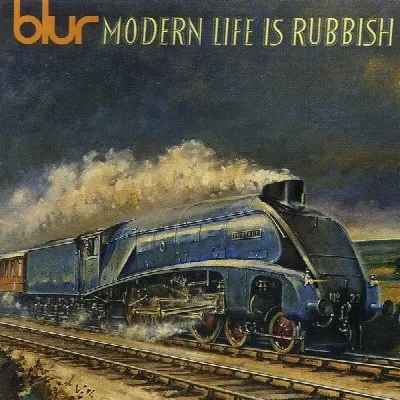

If this landed
Records by other artists that run on the same instinct.
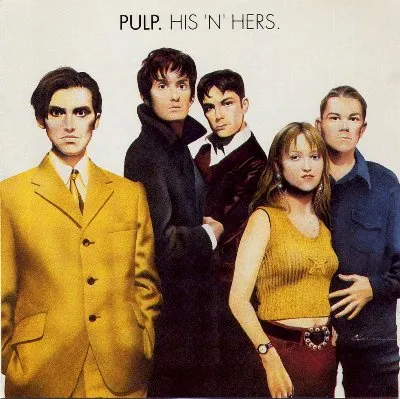
His 'n' Hers
Pulp
Explores similar themes of British suburban life with a mix of jangly guitars and witty lyrics.

(What's the Story) Morning Glory?
Oasis
Shares anthemic melodies and youthful escapism, fitting within the Britpop soundscape.

A Northern Soul
The Verve
Combines introspective lyrics with lush instrumentation, reflecting urban ennui in a similar vein.
Reference: Wikipedia · MusicBrainz · Wikidata
Sync your library
Everything you track here works immediately — no account needed. Create one when you want to sync across devices.