

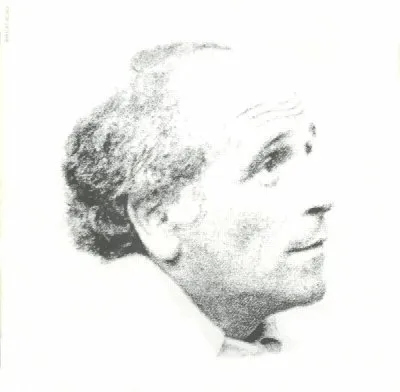
Léo Ferré
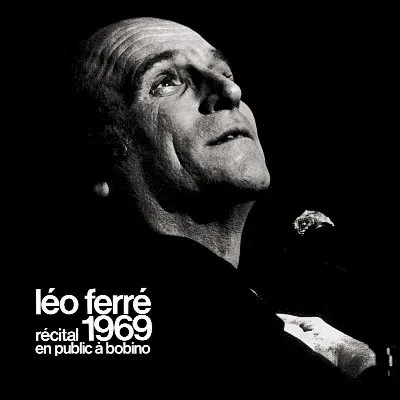
Léo Ferré · 1969
35 min · 10 tracks · classical music
A poignant blend of poetic lyricism and melancholic melodies that capture the spirit of French chanson.
Top tracks — play these first
-
→
La Nuit Start here — establishes the sonic palette early
-
→
Les Anarchistes — This track stands out for its unapologetic celebration of anarchism, reflecting Ferré's commitment to political ideals and resonating with the countercultural sentiments of the late 1960s.
-
→
C'est extra — The song encapsulates a moment of profound emotional reflection, showcasing Ferré's lyrical prowess and ability to evoke deep feelings with simple yet poignant imagery.
-
→
L'Été 68 — This track directly addresses the upheaval of the May 1968 protests, making it a crucial part of the album's narrative about change and resistance.
Elevation
Our rating, out of 100 — and why.
AI-generated from five scored dimensions. An opinion, not a measurement.
The album blends poetic lyricism with orchestral depth, creating a distinct sound that resonates within French chanson.
What we noticed
- Several tracks incorporate spoken word elements, blending poetry with music rather than relying solely on melody.
- The pacing varies significantly, with some tracks maintaining a slow, reflective tempo while others build to more intense climaxes.
- Composition 25% of the score
-
7/10
- Craft 20% of the score
-
6/10
- Durability 25% of the score
-
5/10
- Distinctiveness 18% of the score
-
8/10
- Sequencing 12% of the score
-
6/10
the writing — melody, harmony, structure, lyrics
production, performance, arrangement
whether it rewards returning to it
whether it sounds like itself
running order, pacing, length
Significant within its genre. Reported but not counted — how far a record travelled describes its reception rather than the record, and a newer release has had less time to travel than an older one.
Is this for you?
Good fit if you like
- steady pace with varied tempos
- poignant reflections on life
- melancholic melodies for introspection
- suitable for quiet evenings
Maybe skip if you
- seeking high-energy engagement
- prefer instant gratification tracks
Where this album fits
- In the catalog
- Breakthrough — This album solidified Ferré's reputation with bold political themes and artistic exploration.
- Themes
- 1960s French rebellion· poetic mortality· celebration of transience
- Career context
- In 1969, Léo Ferré was solidifying his reputation as a leading figure in French chanson. This album came after his successful records in the 1960s, during which he was exploring more politically charged themes, particularly in response to the events of May 1968 in France. By this time, Ferré was also developing a distinctive style that combined classical influences with contemporary issues.
- Stylistic neighbors
- Georges Brassens· Jacques Brel· Barbara
Tracklist
- 1 La Nuit Start here 4:19
- 2 Madame la misère 2:29
- 3 Pépée 4:32
- 4 L'Été 68 1:59
- 5 L'Idole 4:13
- 6 Le Testament 4:10
- 7 C'est extra 3:49
- 8 Les Anarchistes 3:13
- 9 À toi 4:18
- 10 Comme une fille 2:18
If this landed
Records by other artists that run on the same instinct.
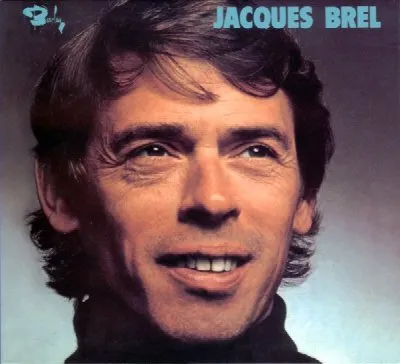
Ne Me Quitte Pas
Jacques Brel
Shares Ferré's poignant lyrical depth and emotional exploration of love and loss.
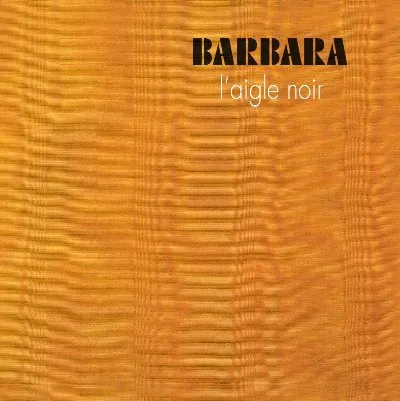
L'Aigle noir
Barbara
Combines poetic lyrics with a melancholic atmosphere, reflecting on themes of mortality and nostalgia.
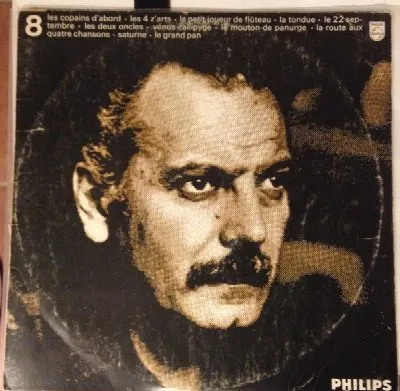
Les Copains d'abord
Georges Brassens
Similar blend of storytelling and social commentary, capturing the spirit of 1960s French chanson.
Reference: Wikipedia · MusicBrainz · Wikidata
Sync your library
Everything you track here works immediately — no account needed. Create one when you want to sync across devices.