

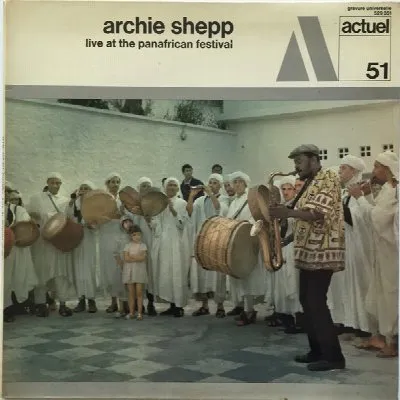
Live at the Panafrican Festival
Archie Shepp · 1971
46 min · 3 tracks · jazz
A vibrant tapestry of collective improvisation, blending fierce saxophone melodies with a rich backdrop of rhythm and cultural resonance.
Top tracks — play these first
-
→
Brotherhood At Ketchaoua — This track exemplifies Shepp's ability to merge complex saxophone improvisation with rhythmic intensity, setting a profound tone for the album's thematic exploration.
-
→
We Have Come Back (Part 1) — The first part of this suite introduces a haunting melody that reflects themes of return and reconciliation, encapsulating Shepp's deep emotional expression.
-
→
We Have Come Back (Part 2) — In its expansive length, this track allows for profound musical dialogue among the ensemble, illustrating the communal spirit that defines Shepp's work.
Elevation
Our rating, out of 100 — and why.
AI-generated from five scored dimensions. An opinion, not a measurement.
InstrumentalThis album showcases strong improvisation and cultural themes, making it a notable entry in Shepp's discography.
What we noticed
- The album features extended improvisational sections, with the saxophone often taking the lead while the rhythm section provides a dynamic and shifting backdrop.
- Each of the three tracks is lengthy, allowing for deep exploration of themes and motifs, with 'We Have Come Back' divided into two parts that maintain continuity.
- The performance captures a live atmosphere, with audience reactions interspersed throughout, enhancing the sense of cultural resonance.
- Composition 25% of the score
-
7/10
- Craft 20% of the score
-
8/10
- Durability 25% of the score
-
8/10
- Distinctiveness 18% of the score
-
8/10
- Sequencing 12% of the score
-
6/10
the writing — melody, harmony, structure, lyrics
production, performance, arrangement
whether it rewards returning to it
whether it sounds like itself
running order, pacing, length
Significant within its genre. Reported but not counted — how far a record travelled describes its reception rather than the record, and a newer release has had less time to travel than an older one.
Where this album fits
- In the catalog
- Critical Peak — Captures Shepp's dynamic performance and cultural commentary at a pivotal event.
- Themes
- Algiers Pan-Africanism· Algerian liberation memory· African diaspora return
- Career context
- By the time Archie Shepp released 'Live at the Panafrican Festival' in 1971, he had established himself as a leading voice in jazz, following his influential albums like 'Fire Music' (1965). This live recording showcases his commitment to political themes and African heritage, positioning it as a pivotal moment in his career during the height of the avant-garde jazz movement.
- Stylistic neighbors
- Albert Ayler· Pharoah Sanders· Ornette Coleman
Tracklist
Best experienced from track one — press play and let it unfold.
- 1 Brotherhood At Ketchaoua 15:56
- 2 We Have Come Back (Part 1) 7:00
- 3 We Have Come Back (Part 2) 23:30
What to play next
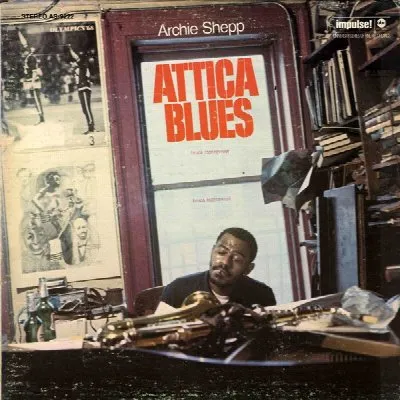
Attica Blues
1972
Continues the vibrant improvisation and cultural themes from the live festival experience.

Archie Shepp and the Full Moon Ensemble
1970
Sets the stage with rich ensemble work leading into the collective energy of live performances.
If this landed
Records by other artists that run on the same instinct.
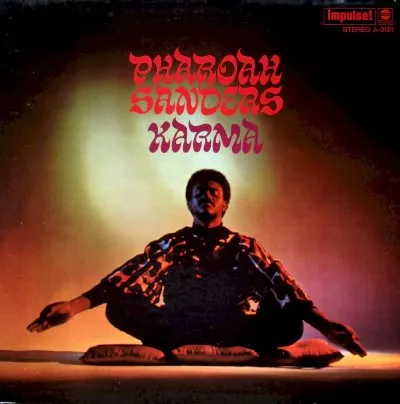
Karma
Pharoah Sanders
Combines searching saxophone improvisation, layered percussion, and spiritual themes rooted in African musical resonance.
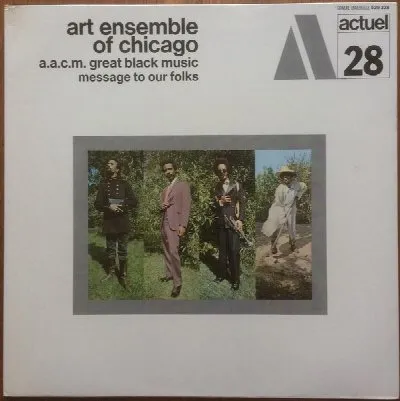
Message to Our Folks
Art Ensemble of Chicago
Shares collective free-jazz interplay and an African-centered palette of percussion, ritual gestures, and Black identity.
Reference: Wikipedia · MusicBrainz · Wikidata
Sync your library
Everything you track here works immediately — no account needed. Create one when you want to sync across devices.