

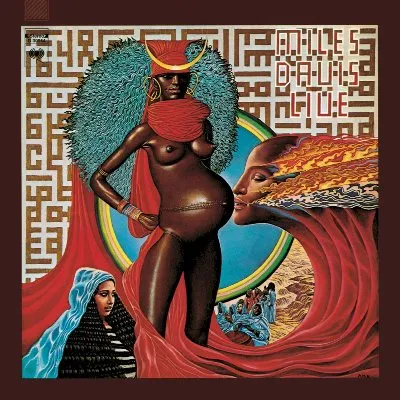
Released 55 years ago this November
Live-Evil
Miles Davis · 1971
102 min · 8 tracks · jazz
Electric funk surges through a crowded club while studio miniatures interrupt the heat like strange little dreams.
Top tracks — play these first
-
→
Sivad Start here — A Cellar Door performance drives forward on a dense funk pulse, with wah-wah guitar and electric keyboards crowding around Davis’s sharply articulated lines.
-
→
Little Church — This short studio piece, written by Hermeto Pascoal, offers a striking change of scale: layered voices and a spare melody create an uncanny interlude between the longer performances.
-
→
Funky Tonk — Its long live groove gives the band room to build tension through repetition and shifting instrumental exchanges rather than a conventional sequence of compact solos.
-
→
Inamorata and Narration by Conrad Roberts — The closing performance stretches the club band’s electric interplay across more than 26 minutes before Conrad Roberts’s spoken narration gives the ending an unusual theatrical frame.
Elevation
Our rating, out of 100 — and why.
AI-generated from five scored dimensions. An opinion, not a measurement.
InstrumentalThe album's fusion of electric sounds and improvisation creates a distinctive and engaging listening experience.
What we noticed
- The album features extended improvisational sections, with several tracks exceeding ten minutes, allowing for deep exploration of themes.
- Electric instruments dominate the sound, with prominent use of electric piano and guitar alongside traditional jazz elements.
- The final track includes spoken narration, which contrasts with the predominantly instrumental nature of the preceding pieces.
- Composition 25% of the score
-
8/10
- Craft 20% of the score
-
9/10
- Durability 25% of the score
-
8/10
- Distinctiveness 18% of the score
-
9/10
- Sequencing 12% of the score
-
7/10
the writing — melody, harmony, structure, lyrics
production, performance, arrangement
whether it rewards returning to it
whether it sounds like itself
running order, pacing, length
Significant within its genre. Reported but not counted — how far a record travelled describes its reception rather than the record, and a newer release has had less time to travel than an older one.
Is this for you?
Good fit if you like
- gradual build to climactic release
- extended improvisation for deep focus
- dynamic fusion of rhythmic intensity
- immersive listening for late nights
Maybe skip if you
- prefer concise standalone tracks
- seek immediate gratification
Where this album fits
- In the catalog
- Experimental — Embraces electric instrumentation and improvisation, marking a shift in Davis's sound.
- Themes
- jazz fusion evolution· electric improvisation· funk-infused grooves
- Career context
- Released in 1971, Live-Evil followed Bitches Brew and continued Miles Davis’s exploration of electric instruments and rock-inflected rhythms. Producer Teo Macero assembled it from studio recordings and performances at Washington, D.C.’s Cellar Door, contrasting compact compositions with extended live improvisations.
- Stylistic neighbors
- John Coltrane· Herbie Hancock· Wayne Shorter
Tracklist
Disc 1
- 1 Sivad Start here 15:16
- 2 Little Church 3:17
- 3 Medley: Gemini / Double Image 5:56
- 4 What I Say 21:12
- 5 Nem Um Talvez 4:03
Disc 2
- 1 Selim 2:15
- 2 Funky Tonk 23:28
- 3 Inamorata and Narration by Conrad Roberts 26:29
What to play next
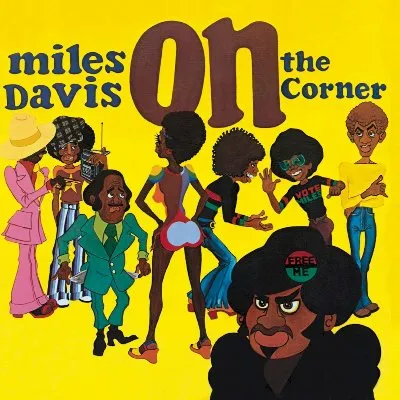
On the Corner
1972
Continues the electric fusion and improvisational spirit found in Live-Evil.
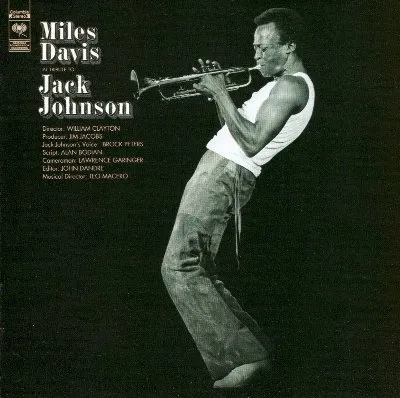
A Tribute to Jack Johnson
1971
Sets the stage with a similar blend of jazz and rock elements leading into Live-Evil.
If this landed
Records by other artists that run on the same instinct.
Reference: Wikipedia · MusicBrainz · Wikidata
Sync your library
Everything you track here works immediately — no account needed. Create one when you want to sync across devices.