


Lizard
King Crimson · 1970
42 min · 5 tracks · progressive rock
An experimental blend of jazz, rock, and avant-garde elements that defies conventional song structures and embraces surrealism.
Top tracks — play these first
-
→
Cirkus (including Entry of the Chameleons) Start here — This track opens the album with a theatrical flair, introducing listeners to the whimsical yet disorienting soundscape that characterizes much of 'Lizard.' Its dramatic shifts in tempo and mood exemplify the band's eclectic style.
-
→
Happy Family — With its playful yet unsettling lyrics, this track captures the essence of familial dysfunction through a humorous lens, showcasing how King Crimson blends serious themes with a light-hearted musical approach.
-
→
Lizard: a) Prince Rupert Awakes - b) Bolero: The Peacock's Tale - c) The Battle of Glass Tears (including I. Dawn Song - II. Last Skirmish - III. Prince Rupert's Lament) - d) Big Top — This sprawling suite serves as the album's centerpiece and showcases King Crimson's ability to weave intricate narratives and diverse musical styles into a cohesive whole, marking a significant moment in progressive rock history.
Elevation
Our rating, out of 100 — and why.
AI-generated from five scored dimensions. An opinion, not a measurement.
Lizard's experimental structure and genre fusion make it a distinctive entry in progressive rock.
What we noticed
- The album features a multi-part closing track that shifts through various themes and styles, including jazz and orchestral elements.
- Each of the first four tracks employs unconventional song structures, often eschewing traditional verse-chorus formats.
- Composition 25% of the score
-
8/10
- Craft 20% of the score
-
7/10
- Durability 25% of the score
-
6/10
- Distinctiveness 18% of the score
-
9/10
- Sequencing 12% of the score
-
5/10
the writing — melody, harmony, structure, lyrics
production, performance, arrangement
whether it rewards returning to it
whether it sounds like itself
running order, pacing, length
Significant within its genre. Reported but not counted — how far a record travelled describes its reception rather than the record, and a newer release has had less time to travel than an older one.
Is this for you?
Good fit if you like
- wave-like pacing with climaxes
- surreal soundscapes for deep focus
- intricate narratives to unravel
- immersive listening in sequence
Maybe skip if you
- prefer straightforward song structures
- seek instant gratification tracks
Where this album fits
- In the catalog
- Experimental — Represents a significant shift in sound and structure for the band.
- Themes
- theatrical storytelling· satirical family dynamics· avant-garde jazz fusion
- Moods
- Dreamy· Introspective
- Career context
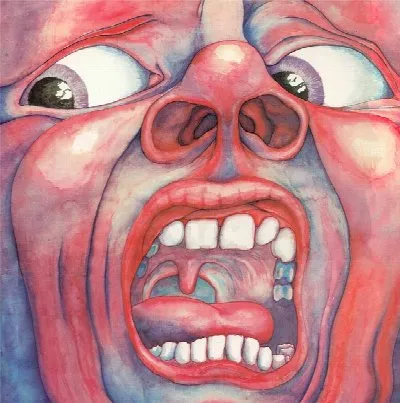
- Released on December 11, 1970, 'Lizard' marked King Crimson's third studio album, following the groundbreaking 'In the Court of the Crimson King.' At this point in their career, the band's lineup had changed significantly, with Robert Fripp leading a new group of musicians as they ventured further into ambitious and complex musical territory.
- Stylistic neighbors
- Yes· Genesis· Frank Zappa
Moments worth listening for
Where the writing does something specific.
-
Happy Family
The narrative voice reflects ironically on domestic life, highlighting contradictions within family dynamics through vivid imagery and unexpected metaphors.
The use of irony in the lyrics underscores the juxtaposition between appearance and reality, inviting listeners to question societal norms regarding family structures.
Tracklist
- 1 Cirkus (including Entry of the Chameleons) Start here 6:28
- 2 Indoor Games 5:39
- 3 Happy Family 4:24
- 4 Lady of the Dancing Water 2:45
- 5 Lizard: a) Prince Rupert Awakes - b) Bolero: The Peacock's Tale - c) The Battle of Glass Tears (including I. Dawn Song - II. Last Skirmish - III. Prince Rupert's Lament) - d) Big Top 23:22

If this landed
Records by other artists that run on the same instinct.
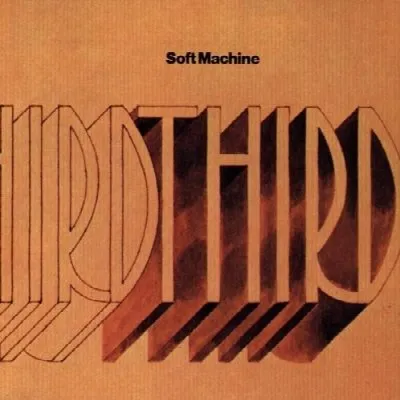
Third
Soft Machine
Shares complex compositions with jazz influences and a surreal, avant-garde atmosphere.

Pawn Hearts
Van der Graaf Generator
Equally ambitious in narrative structure and explores dark, atmospheric soundscapes.

Octopus
Gentle Giant
Features intricate musical arrangements and a blend of rock, jazz, and classical elements.
Reference: Wikipedia · MusicBrainz · Wikidata
Sync your library
Everything you track here works immediately — no account needed. Create one when you want to sync across devices.