

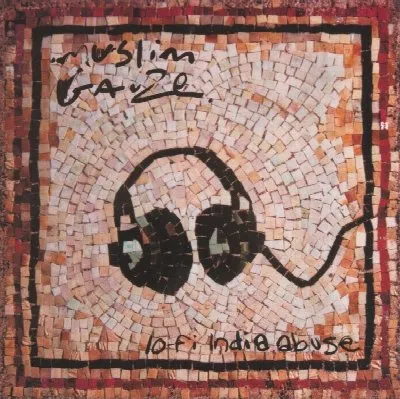
Lo-Fi India Abuse
Muslimgauze · 1999
43 min · 9 tracks · experimental music
Textured soundscapes blend tribal rhythms and industrial noise, creating an immersive experience that challenges conventional music boundaries.
Top tracks — play these first
-
→
Antalya — The opening track sets the tone with its hypnotic beats and rich textures, immersing listeners into the album's layered sonic landscape.
-
→
Valencia in Flames — This piece stands out for its dynamic contrasts, interweaving serene melodies with jarring industrial sounds that reflect chaos and beauty.
-
→
Dust of Saqqara — With its extended composition, this track exemplifies Muslimgauze's ability to create atmospheric depth that evokes a sense of place and history.
-
→
Dogon Tabla — The rhythmic pulse of traditional percussion juxtaposed against electronic elements captures the essence of Muslimgauze's cross-cultural experimentation.
Is this for you?
Good fit if you like
- immersive soundscapes for deep focus
- tribal rhythms that evoke movement
- challenging textures for active listening
- dynamic contrasts throughout the journey
Maybe skip if you
- seeking straightforward song structures
- prefer instant gratification tracks
Where this album fits
- Career context
- Released in 1999, Lo-Fi India Abuse marked Muslimgauze's prolific output during a time when the artist had already established a distinct voice in experimental music. This album came shortly after his previous release, City of Shame, and continues to showcase his innovative approach to blending ambient dub with politically charged themes.
- Stylistic neighbors
- Bill Laswell· Shpongle· Tangerine Dream
Tracklist
Best experienced from track one — press play and let it unfold.
- 1 Antalya 3:21
- 2 Romanie Abuse 2:08
- 3 Valencia in Flames 3:30
- 4 Al Souk Dub 6:13
- 5 Catacomb Dub 6:06
- 6 Dust of Saqqara 7:56
- 7 Android Cleaver 4:25
- 8 Dogon Tabla 3:29
- 9 Nommos’ Afterburn 6:20
Reference: Wikipedia · MusicBrainz · Wikidata
Sync your library
Everything you track here works immediately — no account needed. Create one when you want to sync across devices.