

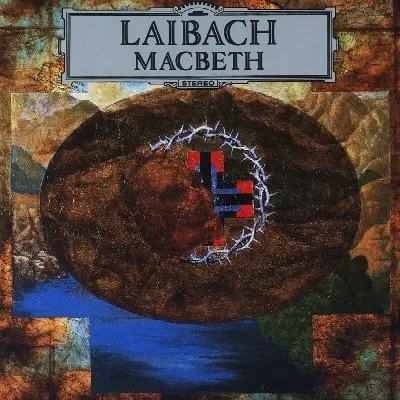
Top tracks — play these first
-
→
Agnus Dei (Acropolis) Start here — This track exemplifies the fusion of ecclesiastical themes and electronic elements, creating an unsettling atmosphere that underscores the album's dramatic narrative.
-
→
Expectans Expectavos — With its layered vocals and intricate arrangements, this piece encapsulates Laibach's ability to merge high art with popular culture, delivering a powerful commentary on expectation and fate.
-
→
Coincidentia Oppositorum — This song stands out for its exploration of dualities through contrasting musical textures, reflecting the thematic complexity present throughout the album.
Elevation
Our rating, out of 100 — and why.
AI-generated from five scored dimensions. An opinion, not a measurement.
The album blends industrial sounds with operatic elements, maintaining a cohesive dark atmosphere throughout.
What we noticed
- Several tracks feature layered vocal harmonies that create a choral effect, enhancing the theatricality of the music.
- The last two tracks return to the somber themes established at the beginning, creating a cyclical structure that reinforces the album's narrative.
- Composition 25% of the score
-
7/10
- Craft 20% of the score
-
8/10
- Durability 25% of the score
-
6/10
- Distinctiveness 18% of the score
-
7/10
- Sequencing 12% of the score
-
8/10
the writing — melody, harmony, structure, lyrics
production, performance, arrangement
whether it rewards returning to it
whether it sounds like itself
running order, pacing, length
Known within its scene. Reported but not counted — how far a record travelled describes its reception rather than the record, and a newer release has had less time to travel than an older one.
Is this for you?
Good fit if you like
- wave-like dynamics with peaks
- immersive experience of tragedy
- unsettling soundscapes for focus
- short tracks for quick sessions
Maybe skip if you
- seeking upbeat or cheerful sounds
- prefer straightforward song structures
Where this album fits
- In the catalog
- Experimental — This album represents a departure into theatrical and classical themes with political commentary.
- Career context
- Released in January 1990, 'Macbeth' marked Laibach's continued evolution after their influential album 'Opus Dei' from 1988. This work showcased their deepening engagement with classical themes and avant-garde aesthetics, solidifying their reputation as provocateurs within the industrial music scene.
- Stylistic neighbors
- Throbbing Gristle· Skinny Puppy· Kraftwerk
Tracklist
- 1 Preludium 1:02
- 2 Agnus Dei (Acropolis) Start here 4:33
- 3 Wutach Schlucht 4:27
- 4 Die Zeit 1:14
- 5 Ohne Geld 3:52
- 6 U.S.A. 0:50
- 7 10.5.1941 0:31
- 8 Expectans Expectavos 5:13
- 9 Coincidentia Oppositorum 4:21
- 10 Wolf 1:03
- 11 Agnus Dei (Exil und Tod) 4:54


Reference: Wikipedia · MusicBrainz · Wikidata
Sync your library
Everything you track here works immediately — no account needed. Create one when you want to sync across devices.