

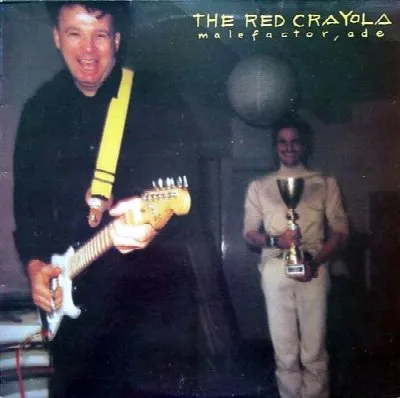
Malefactor, Ade
Red Krayola · 1989
30 min · 13 tracks · psychedelic rock
A disjointed yet vibrant collage of avant-garde sounds that challenge the conventions of rock and pop.
Top tracks — play these first
-
→
Extremism — The opening track sets the tone with its frenetic energy and chaotic instrumentation, encapsulating the album's experimental ethos.
-
→
Sex Machine — This brief track employs a raw, stripped-down aesthetic that plays with themes of identity and sexuality, standing out for its provocative simplicity.
-
→
Franz Von Assisi — With a more reflective approach, this song juxtaposes serene melodies against jarring lyrics, showcasing the band's ability to blend beauty with discomfort.
-
→
Colour Theory, No.4 — A highlight of the album's avant-garde nature, this track features abstract soundscapes that challenge traditional song structures and engage listeners in a unique auditory experience.
Is this for you?
Good fit if you like
- short bursts of chaotic energy
- playful experimentation with sound
- surreal moments of vibrant absurdity
- unexpected twists and turns
Maybe skip if you
- prefer straightforward song structures
- want polished, radio-friendly tracks
Where this album fits
- Career context
- By the time 'Malefactor, Ade' was released in 1989, Red Krayola had already established themselves as a key figure in the underground music scene. This album followed their 1984 release 'Double Standard', showcasing their continued experimentation with sound and form while solidifying their influence within the psychedelic rock genre.
- Stylistic neighbors
- The Velvet Underground· Captain Beefheart· Pere Ubu
Tracklist
Best experienced from track one — press play and let it unfold.
- 1 Extremism 2:20
- 2 Baby Jesus Frog 2:19
- 3 Blue Jeans 1:08
- 4 Steve McQueen's Garden 2:12
- 5 Colour Theory, No.4 2:24
- 6 Franz Von Assisi 3:20
- 7 Sex Machine 1:24
- 8 The Coaster 2:40
- 9 Break a Leg 2:24
- 10 T.B.-Tissues 2:37
- 11 Dope 1:12
- 12 The Alma Fanfare 2:36
- 13 Colour Theory, No.3 4:22

Reference: Wikipedia · MusicBrainz · Wikidata
Sync your library
Everything you track here works immediately — no account needed. Create one when you want to sync across devices.