


Mechanical Animals
Marilyn Manson · 1998
62 min · 14 tracks · industrial metal
A dystopian blend of industrial metal and glam rock that critiques fame and identity with haunting melodies and provocative lyrics.
Top tracks — play these first
-
→
The Dope Show Start here — This track encapsulates the album's critique of celebrity culture, featuring catchy hooks alongside darker explorations of addiction and fame.
-
→
I Don’t Like the Drugs (but the Drugs Like Me) — Through its paradoxical title and vivid imagery, this song powerfully addresses the struggles with substance abuse while critiquing societal norms around addiction.
-
→
Coma White — As a poignant closer, this track reflects themes of disillusionment and longing, using metaphorical language to convey deep emotional turmoil amidst a backdrop of sonic beauty.
Elevation
Our rating, out of 100 — and why.
AI-generated from five scored dimensions. An opinion, not a measurement.
The album blends industrial metal and glam rock with strong thematic elements, showcasing Manson's distinctive style and critique of fame.
What we noticed
- The first three tracks establish a consistent mid-tempo groove, while the fourth track introduces a faster pace that continues through several subsequent songs.
- Many tracks feature layered vocals and harmonies, creating a dense soundscape that contrasts with the sparse instrumentation in others.
- The album closes with two slower tracks that shift the mood from the earlier intensity, allowing for a reflective conclusion.
- Composition 25% of the score
-
7/10
- Craft 20% of the score
-
8/10
- Durability 25% of the score
-
7/10
- Distinctiveness 18% of the score
-
8/10
- Sequencing 12% of the score
-
6/10
the writing — melody, harmony, structure, lyrics
production, performance, arrangement
whether it rewards returning to it
whether it sounds like itself
running order, pacing, length
Significant within its genre. Reported but not counted — how far a record travelled describes its reception rather than the record, and a newer release has had less time to travel than an older one.
Is this for you?
Good fit if you like
- long, immersive listening sessions
- dynamic emotional journeys
- contemplative late-night reflections
- layered, dense sonic textures
Where this album fits
- In the catalog
- Breakthrough — Solidified Manson's reputation with a shift in image and sound, gaining wider recognition.
- Themes
- celebrity culture critique· dystopian addiction· industrial glam reinvention
- Career context
- Released on January 1, 1998, 'Mechanical Animals' is Marilyn Manson's third studio album, following the controversial success of 'Antichrist Superstar.' This album marked a shift in his image towards a more glam-influenced aesthetic, reflecting both personal and artistic reinvention after facing intense media scrutiny and backlash.
- Stylistic neighbors
- Nine Inch Nails· Rob Zombie· Ministry
Moments worth listening for
Where the writing does something specific.
-
The Last Day on Earth
The narrative shifts to an introspective contemplation of mortality and existence as it addresses the listener directly.
This direct address breaks the fourth wall, creating a sense of intimacy that enhances the emotional weight of the existential themes explored throughout the album.
Tracklist
- 1 Great Big White World 5:01
- 2 The Dope Show Start here 3:47
- 3 Mechanical Animals 4:33
- 4 Rock Is Dead 3:10
- 5 Disassociative 4:51
- 6 The Speed of Pain 5:30
- 7 Posthuman 4:18
- 8 I Want to Disappear 2:57
- 9 I Don’t Like the Drugs (but the Drugs Like Me) 5:03
- 10 New Model No. 15 3:41
- 11 User Friendly 4:17
- 12 Fundamentally Loathsome 4:50
- 13 The Last Day on Earth 5:01
- 14 Coma White 5:40

If this landed
Records by other artists that run on the same instinct.
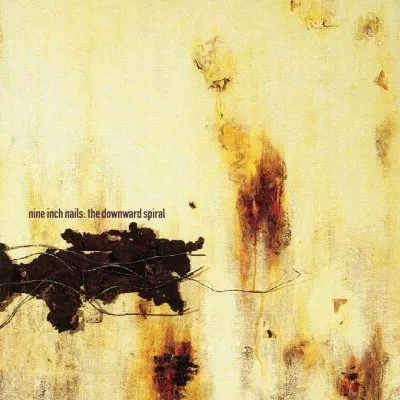
The Downward Spiral
Nine Inch Nails
Shares a similar industrial sound and explores themes of addiction and self-destruction.
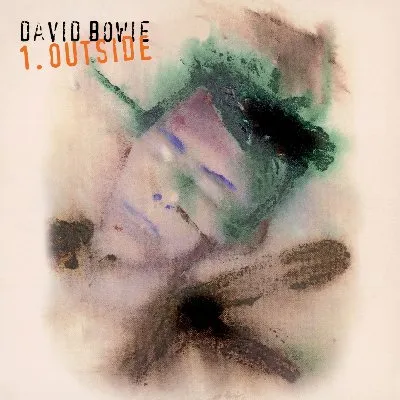
Outside
David Bowie
Combines glam rock aesthetics with a dystopian narrative, reflecting on fame and identity.

Hellbilly Deluxe
Rob Zombie
Merges industrial metal with horror-inspired themes, critiquing celebrity culture through dark narratives.
Reference: Wikipedia · MusicBrainz · Wikidata
Sync your library
Everything you track here works immediately — no account needed. Create one when you want to sync across devices.