

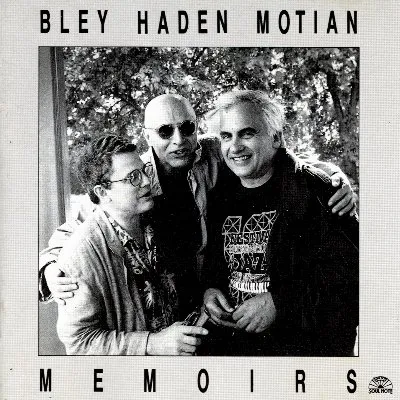
Top tracks — play these first
-
→
Memoirs Start here — At nearly ten minutes, the opening title track gives Bley room to establish the album’s patient scale and approach to musical development.
-
→
Monk’s Dream — Bley’s reading of Thelonious Monk offers a point of comparison between two pianists known for making unexpected use of space and melodic angles.
-
→
New Flame — Another extended selection, it gives the listener a chance to follow Bley’s ideas over a longer span rather than hearing them condensed into a brief statement.
-
→
Blues for Josh — Its blues framework offers a way into Bley’s playing through a familiar jazz form, near the end of a varied program.
Elevation
Our rating, out of 100 — and why.
AI-generated from five scored dimensions. An opinion, not a measurement.
InstrumentalThe album showcases intricate melodies and improvisation, bridging traditional jazz with avant-garde elements.
What we noticed
- Each track features a distinct melodic theme that is then explored through improvisation, creating a dynamic interplay between structure and freedom.
- The album opens with a slow tempo on 'Memoirs', gradually increasing in complexity and tempo through the middle tracks before returning to a reflective pace in the final pieces.
- Bley's piano work often employs dissonance and unconventional chord progressions, particularly evident in his reinterpretation of 'Monk’s Dream'.
- Composition 25% of the score
-
8/10
- Craft 20% of the score
-
7/10
- Durability 25% of the score
-
6/10
- Distinctiveness 18% of the score
-
8/10
- Sequencing 12% of the score
-
7/10
the writing — melody, harmony, structure, lyrics
production, performance, arrangement
whether it rewards returning to it
whether it sounds like itself
running order, pacing, length
Known within its scene. Reported but not counted — how far a record travelled describes its reception rather than the record, and a newer release has had less time to travel than an older one.
Is this for you?
Good fit if you like
- wave-like pacing with intensity shifts
- contemplative moments for reflection
- dynamic journey of emotional depth
- intricate melodies that invite focus
Maybe skip if you
- prefer straightforward, upbeat tracks
- seek instant gratification in music
Where this album fits
- In the catalog
- Deep Cut — Represents Bley's intricate style but is not a primary entry point for new listeners.
- Themes
- reflective improvisation· Monk's rhythmic legacy· haunting emotional depth
- Career context
- By the time Memoirs appeared in 1990, Canadian pianist Paul Bley had spent decades working across bebop and free jazz. It followed his influential 1972 solo piano album Open, to Love and belongs to a later period in which he continued to revisit and reshape jazz materials.
- Stylistic neighbors
- Andrew Hill· Ran Blake· Lennie Tristano
Tracklist
- 1 Memoirs Start here 9:50
- 2 Monk’s Dream 7:55
- 3 Dark Victory 4:19
- 4 Latin Genetics 7:49
- 5 This Is the Hour 6:10
- 6 Insanity 4:14
- 7 New Flame 9:45
- 8 Sting a Ring 7:07
- 9 Blues for Josh 5:27
- 10 Enough Is Enough 8:14
What to play next
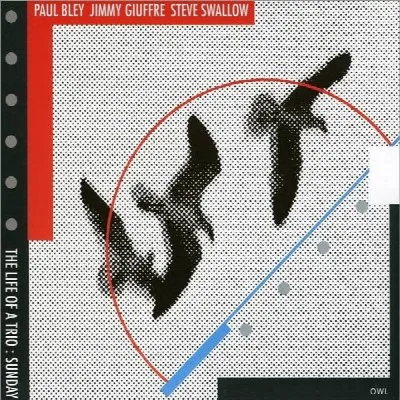
The Life of a Trio: Sunday
1990
Continues the improvisational freedom with a trio format, enhancing the themes from Memoirs.
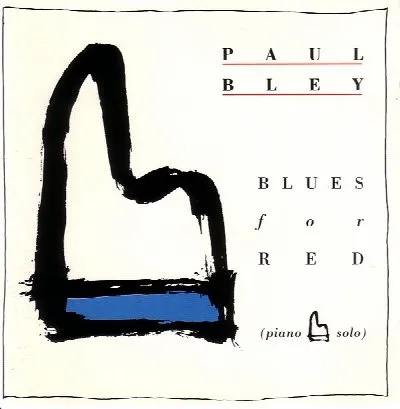
Blues for Red
1991
Sets the stage with intricate melodies and a similar contemporary jazz feel.
If this landed
Records by other artists that run on the same instinct.

Reference: Wikipedia · MusicBrainz · Wikidata
Sync your library
Everything you track here works immediately — no account needed. Create one when you want to sync across devices.