

Why Paul Bley Is Worth Your Time
Explore intricate melodies and reflective pauses in Bley's music.
Paul Bley fundamentally shifted the landscape of jazz by marrying improvisation with a deeply personal, often introspective approach.
Paul Bley revolutionized jazz with his unique blend of improvisation and introspection. His music invites listeners on a journey through complex harmonies and spontaneous conversations, making each listening experience a profound exploration. For those ready to dive into the depths of jazz, Bley's work provides a rich tapestry of sounds that reward deeper engagement.
What they sound like
Paul Bley's sound combines intricate melodies with thoughtful silences, creating an immersive listening experience.
You'll like this if
You'll connect with this if you appreciate emotional depth in music or enjoy exploring avant-garde jazz.
Start here

Dual Unity
1972
Best starting point
The song features engaging hooks and exemplifies Bley's improvisational skills, making it an effective standalone introduction.
Songs to start with
If you'd rather pick a song than an album.
-
1
"When Will the Blues Leave" — from Footloose! (1963)
establishes the sonic palette early
-
2
"Topsy" — from Paul Bley (1955)
accessible entry with immediate hook
-
3
"Opus 1" — from Introducing Paul Bley (1953)
establishes the sonic palette early
-
4
"Tango Palace" — from Tango Palace (1985)
establishes the sonic palette early
-
5
"Little Bells" — from Sonor (1984)
establishes the sonic palette early
-
6
"Mondsee Variations: I" — from Solo in Mondsee (2007)
establishes the sonic palette early
Listening paths
Pick a path through Paul Bley's catalog.
Explore the key albums that define Paul Bley's artistry.
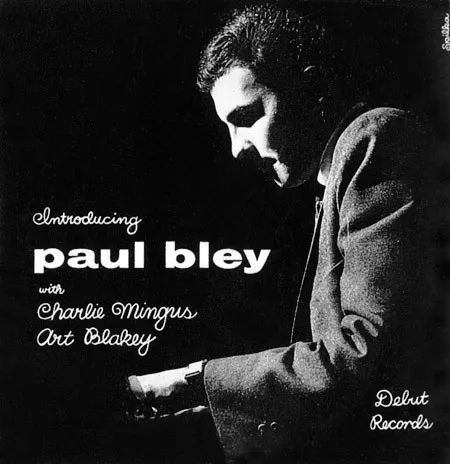
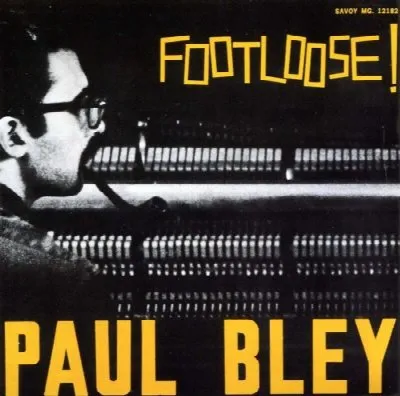


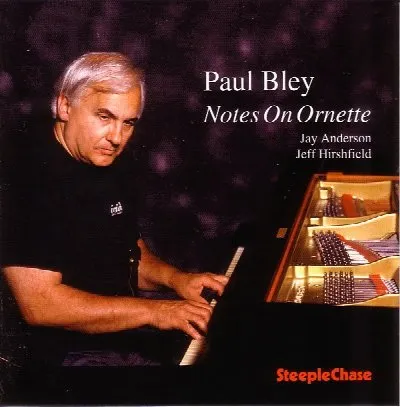
Start with these listener-friendly albums for a smooth introduction.

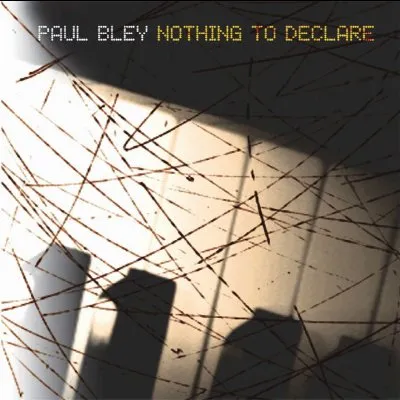
Dive deep into the avant-garde side of Paul Bley's work.

Go deeper
Common questions
Where should I start with Paul Bley?
Start with Dual Unity (1972). This album highlights Bley's signature use of silence and intricate melodies, showcasing his innovative approach to jazz. It efficiently encapsulates the core of his artistic vision while remaining accessible for first-time listeners.
What does Paul Bley sound like?
Paul Bley's sound combines intricate melodies with thoughtful silences, creating an immersive listening experience. Rooted in bebop.
Who is Paul Bley for?
You'll connect with this if you appreciate emotional depth in music or enjoy exploring avant-garde jazz.
How many albums does Paul Bley have?
Paul Bley has 98 releases in their discography, including 98 albums.