

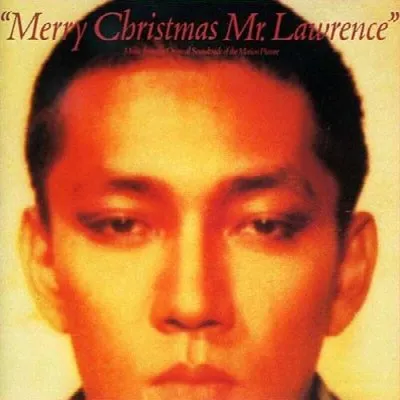
Merry Christmas Mr. Lawrence – Soundtrack from the Motion Picture
Ryuichi Sakamoto · 1983
40 min · 19 tracks · electronic music
A haunting blend of minimalist piano melodies and ambient electronic textures that evoke deep emotional landscapes.
Top tracks — play these first
-
→
Merry Christmas, Mr. Lawrence Start here — This title track encapsulates the film's emotional core with its poignant piano lines and atmospheric soundscapes that linger long after listening.
-
→
Forbidden Colours — Featuring haunting vocals by David Sylvian, this song blends lush instrumentation with deep introspection, making it a standout representation of the album's thematic depth.
-
→
The Seed and the Sower — This track features a delicate interplay of strings and synths, creating a sense of growth and change that mirrors the film's narrative arc beautifully.
Elevation
Our rating, out of 100 — and why.
AI-generated from five scored dimensions. An opinion, not a measurement.
InstrumentalSakamoto's score blends minimalism and ambient textures, establishing a strong emotional landscape.
What we noticed
- Several tracks feature ambient soundscapes layered with sparse instrumentation, allowing for moments of silence and reflection.
- The album's pacing varies, with some tracks maintaining a slow tempo while others build tension through rhythmic elements.
- The final track incorporates vocal elements, contrasting with the predominantly instrumental nature of the preceding pieces.
- Composition 25% of the score
-
8/10
- Craft 20% of the score
-
8/10
- Durability 25% of the score
-
7/10
- Distinctiveness 18% of the score
-
8/10
- Sequencing 12% of the score
-
6/10
the writing — melody, harmony, structure, lyrics
production, performance, arrangement
whether it rewards returning to it
whether it sounds like itself
running order, pacing, length
Significant within its genre. Reported but not counted — how far a record travelled describes its reception rather than the record, and a newer release has had less time to travel than an older one.
Is this for you?
Good fit if you like
- haunting emotional reflections
- short, evocative listening sessions
- atmospheric background focus
- gradual builds and payoffs
- introspective late-night vibes
Where this album fits
- In the catalog
- Breakthrough — This soundtrack gained international acclaim and established Sakamoto's reputation.
- Themes
- Japanese internment· poignant melodies· war-torn landscapes
- Career context
- Released in 1983, this soundtrack marked Ryuichi Sakamoto's transition from a prominent pop figure in Japan to an acclaimed composer for film. It followed his successful solo debut album, 'Thousand Knives', and showcased his ability to blend Western classical influences with Japanese traditions, enriching his artistic identity during a pivotal phase of exploration in his career.
- Stylistic neighbors
- Brian Eno· Alva Noto· Tangerine Dream
Moments worth listening for
Where the writing does something specific.
-
Forbidden Colours
The moment shifts from instrumental serenity to a powerful vocal entrance that expresses longing amidst intricate melodies.
This shift marks the emotional climax of the song, contrasting the earlier calm with an urgent plea that reflects the characters' struggles within the film.
Tracklist
- 1 Merry Christmas, Mr. Lawrence Start here 4:36
- 2 Batavia 1:18
- 3 Germination 1:49
- 4 A Hearty Breakfast 1:23
- 5 Before the War 2:15
- 6 The Seed and the Sower 5:03
- 7 A Brief Encounter 2:22
- 8 Ride, Ride, Ride (Celliers' Brother's Song) 1:04
- 9 The Fight 1:30
- 10 Father Christmas 2:07
- 11 Dismissed 0:10
- 12 Assembly 2:17
- 13 Beyond Reason 2:01
- 14 Sowing the Seed 1:54
- 15 23rd Psalm 2:03
- 16 Last Regrets 1:43
- 17 Ride, Ride, Ride (reprise) 1:06
- 18 The Seed 1:04
- 19 Forbidden Colours 4:42
What to play next
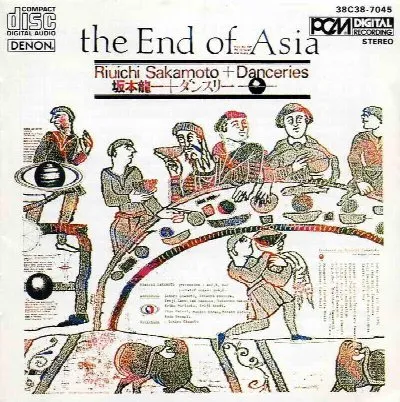
The End of Asia
1983
Continues the cinematic and emotional depth with a blend of ambient sounds.
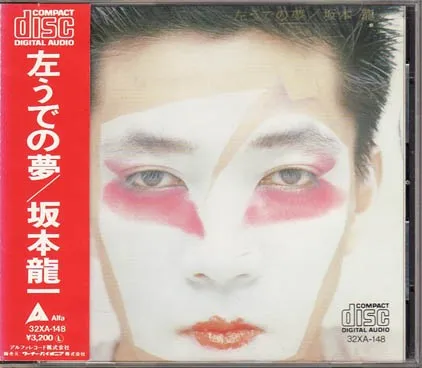
Left Handed Dream
1981
If this landed
Records by other artists that run on the same instinct.
Reference: Wikipedia · MusicBrainz · Wikidata
Sync your library
Everything you track here works immediately — no account needed. Create one when you want to sync across devices.