

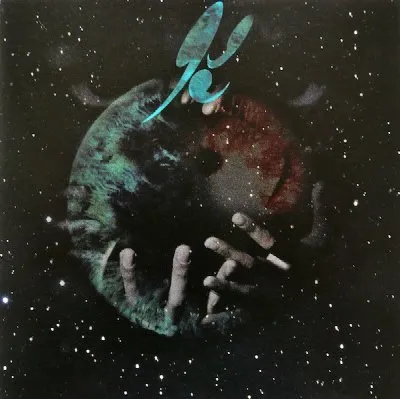
Top tracks — play these first
-
→
Shin-Sekai — Arriving after the opening introduction and a brief message from Rino, this track establishes the album’s exchange between voices and Krush’s production.
-
→
Listen — At more than seven minutes, it gives Krush room to develop an atmosphere patiently rather than rushing toward a conventional pop structure.
-
→
Le Temps — The album’s longest track stretches its pacing across nearly ten minutes, offering a particularly immersive contrast to the brief spoken interludes around it.
-
→
Light (Can You See It) — Placed near the end, it brings a vocal focus to a record that often lets its production and transitions carry the narrative.
Elevation
Our rating, out of 100 — and why.
AI-generated from five scored dimensions. An opinion, not a measurement.
InstrumentalThe album's atmospheric production and seamless transitions create an immersive listening experience.
What we noticed
- The album features a consistent use of atmospheric samples layered over downtempo beats, creating a meditative soundscape.
- Tracks often blend seamlessly into one another, with several pieces transitioning without a break, enhancing the immersive experience.
- Many tracks utilize minimalistic arrangements, focusing on subtle shifts in texture and rhythm rather than traditional song structures.
- Composition 25% of the score
-
7/10
- Craft 20% of the score
-
8/10
- Durability 25% of the score
-
7/10
- Distinctiveness 18% of the score
-
8/10
- Sequencing 12% of the score
-
8/10
the writing — melody, harmony, structure, lyrics
production, performance, arrangement
whether it rewards returning to it
whether it sounds like itself
running order, pacing, length
Significant within its genre. Reported but not counted — how far a record travelled describes its reception rather than the record, and a newer release has had less time to travel than an older one.
Is this for you?
Good fit if you like
- atmospheric soundscapes for introspection
- short interludes enhance overall flow
- immersive headphone listening experience
- long tracks for deep focus
- cathartic beats driving emotions
Maybe skip if you
- prefer straightforward song structures
- seek instant gratification in music
Where this album fits
- In the catalog
- Breakthrough — Established DJ Krush's reputation with innovative sound and production techniques.
- Themes
- Japanese hip-hop exchange· fragmented spoken interludes· shadowy dub rhythms
- Career context
- Released in Japan in 1996, MiLight followed DJ Krush’s 1995 album Meiso and continued his work connecting Japanese hip-hop with an international circle of collaborators. Its short spoken interludes make that network audible between the longer tracks.
Moments worth listening for
Where the writing does something specific.
-
Light (Can You See It)
The refrain returns to a direct question about whether light is visible.
Framing the central image as a question makes the listener its addressee rather than simply an observer.
Tracklist
Best experienced from track one — press play and let it unfold.
- 1 Intro 1:30
- 2 From Rino 0:29
- 3 Shin-Sekai 3:25
- 4 Jikan no Hashi 1 0:54
- 5 From Stash 0:32
- 6 Real 4:28
- 7 From Tragedy 0:36
- 8 Jugoya 4:30
- 9 Listen 7:05
- 10 From Shawn J. Period 0:44
- 11 Supanova 4:30
- 12 From Finsta Bundy 0:27
- 13 Jikan no Hashi 2 2:15
- 14 From DJ Cam 0:43
- 15 Le Temps 9:36
- 16 From Kemuri Production 1:56
- 17 Hitotsu no Mirai 6:02
- 18 From Futura 2000 0:30
- 19 From DJ Krush 0:51
- 20 Jikan no Hashi 3 2:08
- 21 From Lee Q 0:33
- 22 From Mos Def 0:37
- 23 Shinjiro 4:18
- 24 From Ken Duro Ifill 0:21
- 25 Light (Can You See It) 4:42
- 26 Mind Games 5:00
- 27 From Eri Ohno 1:07
- 28 Skin Against Skin 5:50
What to play next
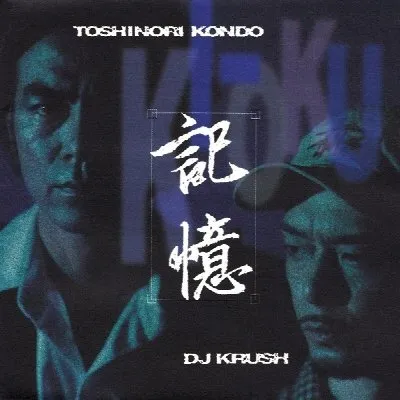
Ki-Oku
1996
Continues the atmospheric journey with deeper layers and reflective soundscapes.
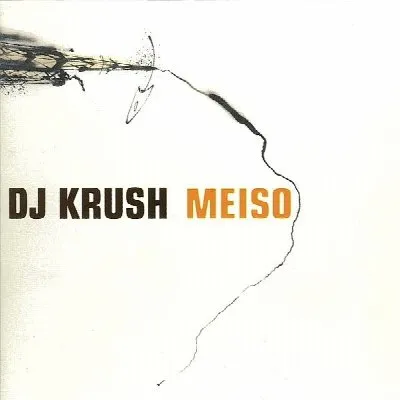
Meiso
1995
Sets the stage for MiLight's meditative vibes with similar downtempo elements.
Reference: Wikipedia · MusicBrainz · Wikidata
Sync your library
Everything you track here works immediately — no account needed. Create one when you want to sync across devices.