

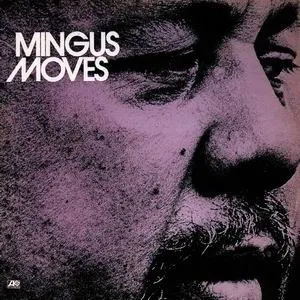
Mingus Moves
Charles Mingus · 1973
49 min · 7 tracks · jazz
A lean quintet moves between knotty ensemble writing and open improvisation, with voices adding an unexpected human grain.
Top tracks — play these first
-
→
Canon Start here — The opening composition gives the horns tightly shaped lines to negotiate before the band opens the music out, introducing the album’s balance of arrangement and freedom.
-
→
Moves — Doug Hammond’s vocal composition brings a different texture to the set, setting a voice inside the small band rather than treating it as a guest attraction.
-
→
Wee — Dannie Richmond’s composition gives the quintet room to build momentum, with the drummer’s buoyant pulse holding the improvisations together.
-
→
Newcomer — Trumpeter Ronald Hampton’s composition lets a relatively new member contribute to the band’s repertoire, underscoring how much of the album’s identity came from the ensemble.
Elevation
Our rating, out of 100 — and why.
AI-generated from five scored dimensions. An opinion, not a measurement.
InstrumentalStrongly shaped ensemble writing and contrasting tempos keep it rewarding, though its compact pieces do not form an especially forceful album-long arc.
What we noticed
- "Canon" opens with a recurring bass figure that gives the horns a fixed point as the ensemble builds around it.
- "Flowers for a Lady" slows the pace into a lyrical ballad, set against the brisker, more sharply accented movement of "Wee."
- The titles "Opus 4" and "Opus 3" frame the sequence with related, compact ensemble pieces rather than a long closing suite.
- Composition 25% of the score
-
7/10
- Craft 20% of the score
-
7/10
- Durability 25% of the score
-
7/10
- Distinctiveness 18% of the score
-
7/10
- Sequencing 12% of the score
-
7/10
the writing — melody, harmony, structure, lyrics
production, performance, arrangement
whether it rewards returning to it
whether it sounds like itself
running order, pacing, length
Known within its scene. Reported but not counted — how far a record travelled describes its reception rather than the record, and a newer release has had less time to travel than an older one.
Where this album fits
- In the catalog
- Deep Cut — A 1970s small-group set that documents Mingus shifting toward a newer ensemble sound between larger projects.
- Themes
- Mingus ensemble writing· horn-line counterpoint· Doug Hammond vocals· quintet improvisation
- Career context
- Mingus Moves introduced a working band featuring pianist Don Pullen, saxophonist George Adams, trumpeter Ronald Hampton and longtime drummer Dannie Richmond. It followed Let My Children Hear Music, trading that album’s large-ensemble scale for a smaller group that could stretch its arrangements in performance.
- Stylistic neighbors
- Eric Dolphy· Thelonious Monk· Ornette Coleman
Tracklist
- 1 Canon Start here 5:28
- 2 Opus 4 6:39
- 3 Moves 3:43
- 4 Wee 8:57
- 5 Flowers for a Lady 6:44
- 6 Newcomer 7:13
- 7 Opus 3 10:26
What to play next
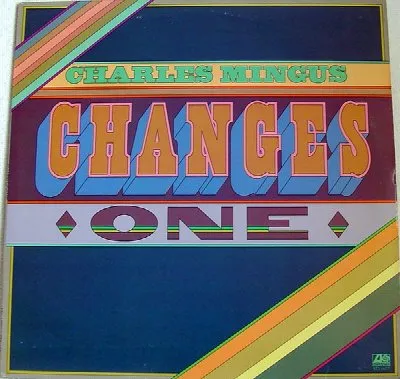
Changes One
1975
It carries Mingus Moves’ agile small-group interplay into a more expansive set of late-period compositions.
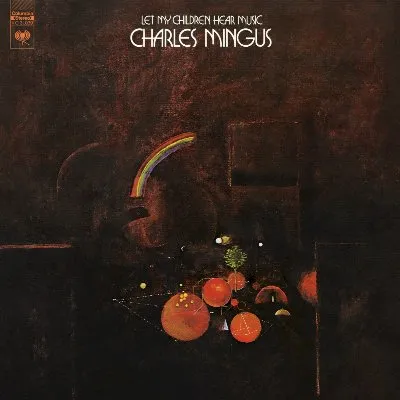
Let My Children Hear Music
1972
Its ambitious arrangements set up the more compact ensemble sound of Mingus Moves.
If this landed
Records by other artists that run on the same instinct.
Reference: Wikipedia · MusicBrainz · Wikidata
Sync your library
Everything you track here works immediately — no account needed. Create one when you want to sync across devices.