

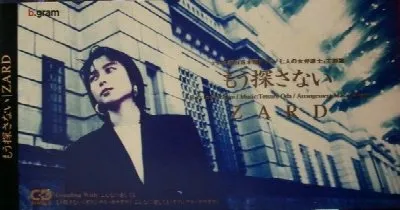
Top tracks — play these first
-
→
もう探さない — This title track showcases Zard's emotive vocal delivery paired with lush instrumentation, making it a defining moment in the album that encapsulates its themes of love and longing.
-
→
こんなに愛しても — As an additional standout track, this song highlights poignant lyrics about unrequited love, showcasing Zard's ability to convey deep emotions through her music.
-
→
もう探さない (オリジナル・カラオケ) — The karaoke version serves as a testament to the song's widespread appeal, reflecting the popularity of karaoke culture in Japan and allowing fans to connect intimately with Zard's artistry.
Where this album fits
- In the catalog
- Breakthrough — This album solidified Zard's presence in J-Pop and led to commercial success.
- Themes
- unrequited love· Japanese karaoke culture
- Career context
- Released on November 6, 1991, 'Mou Sagasanai' marked Zard's second studio album, following their successful debut 'Hold Me.' At this point in her career, Zard was solidifying her presence in the J-Pop scene, building on the momentum gained from earlier hits and establishing her unique vocal style.
- Stylistic neighbors
- Kumi Koda· Ayumi Hamasaki· Namie Amuro
Tracklist
Best experienced from track one — press play and let it unfold.
- 1 もう探さない 5:05
- 2 こんなに愛しても 4:41
- 3 もう探さない (オリジナル・カラオケ) 5:06
- 4 こんなに愛しても (オリジナル・カラオケ) 4:41

If this landed
Records by other artists that run on the same instinct.


Reference: Wikipedia · MusicBrainz · Wikidata
Sync your library
Everything you track here works immediately — no account needed. Create one when you want to sync across devices.