

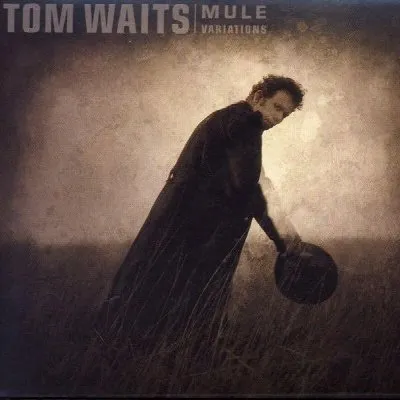
Top tracks — play these first
-
→
Big in Japan Start here — The opener announces the album with a lurching groove and a boastful vocal that turns show-business swagger into something unruly and grotesque.
-
→
Hold On — A patient guitar-led ballad gives Waits room to tell a story of hardship and persistence without the protective clatter surrounding much of the album.
-
→
What’s He Building? — Waits delivers a suspicious neighborhood monologue over ominous mechanical sounds, making ordinary observation feel like a small-town horror story.
-
→
Georgia Lee — A spare piano setting frames Waits’s account of a murdered child, letting the song’s unanswered questions carry its grief.
-
→
Come On Up to the House — Its communal, gospel-inflected refrain offers a rough-edged welcome after the album’s cast of outsiders and troubled lives.
Elevation
Our rating, out of 100 — and why.
AI-generated from five scored dimensions. An opinion, not a measurement.
The album's blend of storytelling and experimental sounds creates a unique sonic landscape that rewards repeated listens.
What we noticed
- Several tracks feature Waits' distinctive gravelly vocals layered over sparse arrangements, allowing the lyrics to take center stage.
- Composition 25% of the score
-
7/10
- Craft 20% of the score
-
8/10
- Durability 25% of the score
-
8/10
- Distinctiveness 18% of the score
-
9/10
- Sequencing 12% of the score
-
6/10
the writing — melody, harmony, structure, lyrics
production, performance, arrangement
whether it rewards returning to it
whether it sounds like itself
running order, pacing, length
Significant within its genre. Reported but not counted — how far a record travelled describes its reception rather than the record, and a newer release has had less time to travel than an older one.
Is this for you?
Good fit if you like
- steady pacing for reflective moments
- gritty storytelling with emotional weight
- haunting melodies for late nights
- immersive narratives across diverse themes
- for long, contemplative drives
Maybe skip if you
- prefer instant gratification tracks
- avoid lengthy, cohesive experiences
Where this album fits
- In the catalog
- Critical Peak — Often cited as a high point in Waits' career, showcasing his artistic ambition.
- Themes
- Chocolate Jesus satire· behind-the-wall suspicion· dust-road survival
- Moods
- Introspective· Melancholy
- Career context
- Released in 1999, Mule Variations was Tom Waits’s first studio album of new material since The Black Rider in 1993. It was also his first album for Epitaph Records, following a long association with Island Records.
- Stylistic neighbors
- Leonard Cohen· Nick Cave· Captain Beefheart
Tracklist
- 1 Big in Japan Start here 4:05
- 2 Lowside of the Road 2:59
- 3 Hold On 5:33
- 4 Get Behind the Mule 6:52
- 5 House Where Nobody Lives 4:14
- 6 Cold Water 5:23
- 7 Pony 4:32
- 8 What’s He Building? 3:20
- 9 Black Market Baby 5:02
- 10 Eyeball Kid 4:26
- 11 Picture in a Frame 3:39
- 12 Chocolate Jesus 3:55
- 13 Georgia Lee 4:24
- 14 Filipino Box Spring Hog 3:09
- 15 Take It With Me 4:24
- 16 Come On Up to the House 4:36
- 17 Buzz Fledderjohn 4:14
- 18 Big Face Money 0:39
What to play next

Blood Money
2002
Continues the gritty storytelling with experimental sounds and dark themes.

Beautiful Maladies
1998
Sets the stage with a mix of raw emotion and eclectic styles.
If this landed
Records by other artists that run on the same instinct.
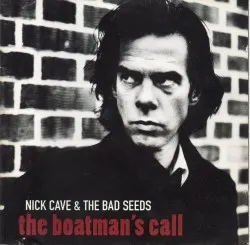
The Boatman's Call
Nick Cave and the Bad Seeds
Shares a poetic storytelling style with sparse instrumentation and emotional depth.
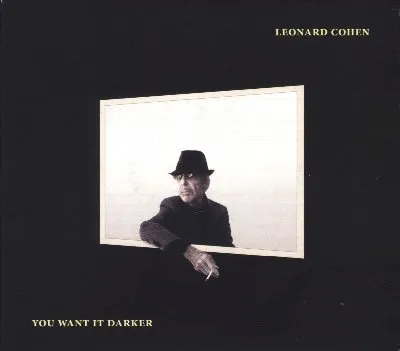
You Want It Darker
Leonard Cohen
Explores themes of mortality and faith with a haunting, minimalist production approach.
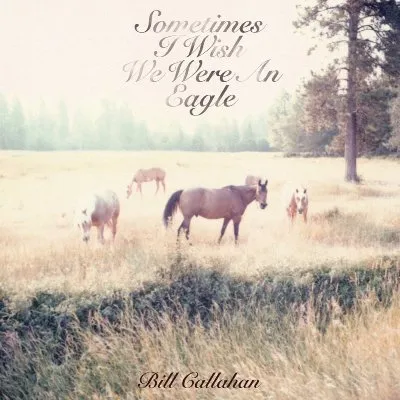
Sometimes I Wish We Were an Eagle
Bill Callahan
Combines narrative lyricism and experimental sounds, creating an introspective atmosphere.
Reference: Wikipedia · MusicBrainz · Wikidata
Sync your library
Everything you track here works immediately — no account needed. Create one when you want to sync across devices.