

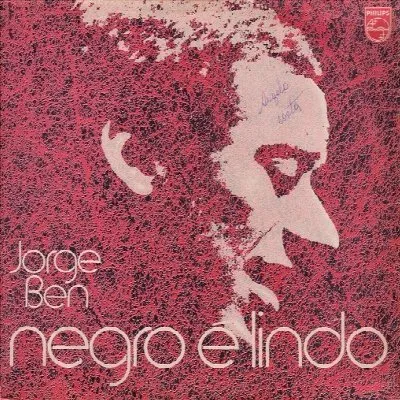
Negro é Lindo
Jorge Ben · 1971
34 min · 10 tracks · música popular brasileira
Jorge Ben’s clipped guitar and buoyant voice ride a loose samba-rock groove that makes celebration feel immediate.
Top tracks — play these first
-
→
Rita Jeep Start here — opens the album's steady rhythmic journey
-
→
Negro É Lindo — The title track turns an affirmation of Black beauty into a communal-sounding refrain, joining the album’s social outlook to its danceable pulse.
-
→
Cassius Marcelo Clay — A tribute to the boxer known as Muhammad Ali brings Ben’s fascination with Black public figures into a nimble Brazilian pop setting.
-
→
Porque É Proibido Pisar na Grama — Its extended running time gives Ben room to settle into a repeating groove, letting the vocal phrasing and accompaniment accumulate their effect.
-
→
Que Maravilha — This version of the song Ben wrote with Toquinho carries its everyday romantic encounter on an easygoing samba-rock sway.
Elevation
Our rating, out of 100 — and why.
AI-generated from five scored dimensions. An opinion, not a measurement.
The album blends samba and rock with strong rhythms and engaging arrangements, marking it as a significant work in Brazilian music.
What we noticed
- The album opens with a strong rhythmic pulse in 'Rita Jeep', immediately establishing a danceable groove that persists throughout.
- Tracks like 'Porque É Proibido Pisar na Grama' feature call-and-response vocals, enhancing the communal feel typical of samba.
- Several songs incorporate brass instrumentation, adding layers of texture and energy to the arrangements.
- The final track, 'Palomaris', slows down the tempo, providing a reflective conclusion to the vibrant journey of the album.
- Composition 25% of the score
-
8/10
- Craft 20% of the score
-
7/10
- Durability 25% of the score
-
8/10
- Distinctiveness 18% of the score
-
8/10
- Sequencing 12% of the score
-
6/10
the writing — melody, harmony, structure, lyrics
production, performance, arrangement
whether it rewards returning to it
whether it sounds like itself
running order, pacing, length
Significant within its genre. Reported but not counted — how far a record travelled describes its reception rather than the record, and a newer release has had less time to travel than an older one.
Is this for you?
Good fit if you like
- steady rhythmic journey throughout
- celebratory vibes for gatherings
- infectious energy for dancing
- short tracks for quick enjoyment
Maybe skip if you
- prefer lengthy soundscapes
- avoid upbeat and lively music
Where this album fits
- In the catalog
- Breakthrough — This album solidified Jorge Ben's influence in Brazilian music and expanded his recognition.
- Themes
- Afro-Brazilian pride· Cassius Clay tribute· samba-rock rhythms
- Career context
- Released in 1971, Negro é Lindo followed Jorge Ben’s 1970 album Fôrça Bruta. By then, the Brazilian singer and guitarist had moved from the bossa nova-inflected breakthrough of Samba Esquema Novo toward the electric samba-rock sound of his early-1970s records.
- Stylistic neighbors
- Gilberto Gil· Caetano Veloso· Os Mutantes
Moments worth listening for
Where the writing does something specific.
-
Negro É Lindo
The refrain repeatedly pairs Black identity with beauty, returning to the same affirmation rather than developing a narrative.
Repetition gives the declaration the directness of a chant and makes its positive judgment the song’s organizing device.
Tracklist
- 1 Rita Jeep Start here 3:04
- 2 Porque É Proibido Pisar na Grama 4:57
- 3 Cassius Marcelo Clay 3:45
- 4 Cigana 3:16
- 5 Zula 2:58
- 6 Negro É Lindo 3:04
- 7 Comanche 2:57
- 8 Que Maravilha 4:07
- 9 Maria Domingas 3:41
- 10 Palomaris 3:04
What to play next
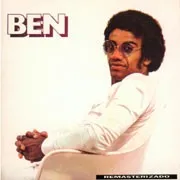
Ben
1972
Continues the vibrant fusion with fresh grooves and themes of identity.
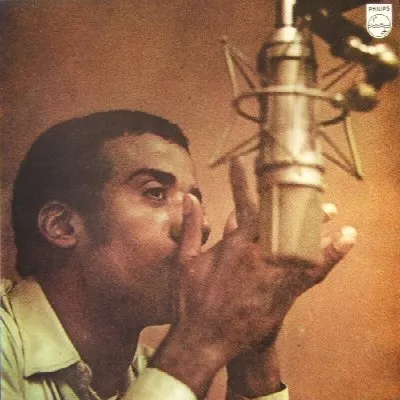
Fôrça Bruta
1970
Sets the stage with similar rhythmic styles and cultural celebration.
Reference: Wikipedia · MusicBrainz · Wikidata
Sync your library
Everything you track here works immediately — no account needed. Create one when you want to sync across devices.