

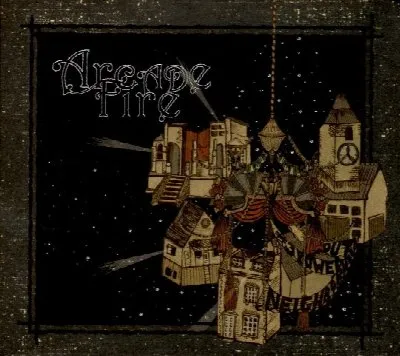
Neighborhood #3 (Power Out)
Arcade Fire · 2005
10 min · 2 tracks · indie rock
A frenetic blend of orchestral arrangements and indie rock energy, capturing an urban landscape's isolation and community spirit.
Top tracks — play these first
-
→
Neighborhood #3 (Power Out) — This track encapsulates the album's themes of urban disconnection and communal resilience, driven by its urgent tempo and layered instrumentation.
-
→
Neighborhood #3 (Power Out) (August session) — This alternate version showcases a stripped-down arrangement that emphasizes the song's emotional core while maintaining its spirited essence.
Elevation
Our rating, out of 100 — and why.
AI-generated from five scored dimensions. An opinion, not a measurement.
The track's energetic contrasts and orchestral elements create a distinctive sound within indie rock.
What we noticed
- The main track features a driving rhythm with layered instrumentation, including strings and percussion that build intensity throughout.
- The song alternates between quiet, reflective verses and explosive choruses, creating a dynamic contrast.
- The second track is a stripped-down version that highlights the vocal harmonies and lyrical content without the full orchestration.
- Composition 25% of the score
-
8/10
- Craft 20% of the score
-
7/10
- Durability 25% of the score
-
6/10
- Distinctiveness 18% of the score
-
8/10
- Sequencing 12% of the score
-
5/10
the writing — melody, harmony, structure, lyrics
production, performance, arrangement
whether it rewards returning to it
whether it sounds like itself
running order, pacing, length
Significant within its genre. Reported but not counted — how far a record travelled describes its reception rather than the record, and a newer release has had less time to travel than an older one.
Where this album fits
- In the catalog
- Breakthrough — This track solidified Arcade Fire's reputation in the indie music scene.
- Themes
- community resilience· neon-lit streets
- Career context
- Released in 2005, this was Arcade Fire's second album, following their critically acclaimed debut 'Funeral'. At this point, the band was gaining significant attention for their unique sound and theatrical live performances, solidifying their place in the indie rock scene.
- Stylistic neighbors
- The National· Sufjan Stevens· Broken Social Scene
Tracklist
Best experienced from track one — press play and let it unfold.
- 1 Neighborhood #3 (Power Out) (album version) 5:12
- 2 Neighborhood #3 (Power Out) (August session) 5:35


If this landed
Records by other artists that run on the same instinct.
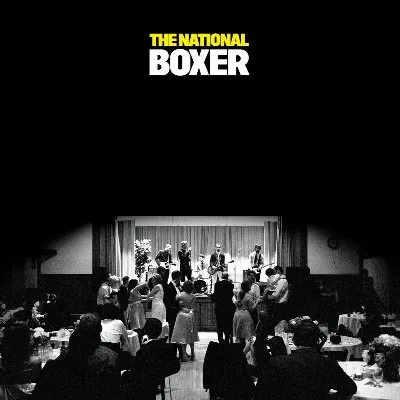
Boxer
The National
Shares a similar urban melancholy and orchestral depth, exploring themes of isolation and connection.
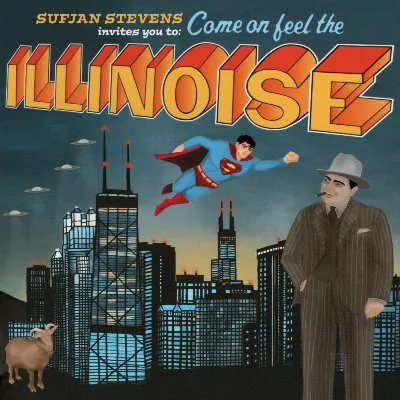
Illinois
Sufjan Stevens
Combines orchestral arrangements with indie sensibilities, reflecting on community and personal narratives.
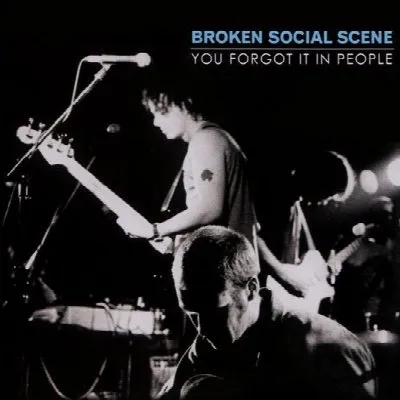
You Forgot It in People
Broken Social Scene
Blends rich instrumentation with a sense of collective storytelling, echoing themes of community and urban life.
Reference: Wikipedia · MusicBrainz · Wikidata
Sync your library
Everything you track here works immediately — no account needed. Create one when you want to sync across devices.