


Neuromantic
Yukihiro Takahashi · 1981
40 min · 9 tracks · J-pop
Futuristic synths intertwine with rock elements, creating a vibrant and eclectic soundscape that defines the early 80s Japanese music scene.
Top tracks — play these first
-
→
Glass Start here — Opening with shimmering synths, this track sets an atmospheric tone that encapsulates the album's blend of pop and electronic elements while showcasing Takahashi's distinct vocal style.
-
→
New (Red) Roses — This song features intricate melodies and layered instrumentation, representing the experimentation characteristic of Takahashi's creative approach during this era.
-
→
Connection — With its catchy hook and rhythmic drive, this track exemplifies the fusion of rock energy with electronic soundscapes that defines much of Neuromantic.
Elevation
Our rating, out of 100 — and why.
AI-generated from five scored dimensions. An opinion, not a measurement.
Neuromantic blends synths and rock elements, showcasing Takahashi's unique sound within early J-pop.
What we noticed
- The album opens with a synth-heavy track that sets a futuristic tone, followed by a gradual introduction of rock elements in subsequent songs.
- Several tracks feature layered vocal harmonies and intricate arrangements, creating a rich texture throughout the record.
- The pacing varies significantly, with some tracks maintaining a steady tempo while others incorporate abrupt shifts in rhythm and dynamics.
- Composition 25% of the score
-
7/10
- Craft 20% of the score
-
8/10
- Durability 25% of the score
-
6/10
- Distinctiveness 18% of the score
-
8/10
- Sequencing 12% of the score
-
5/10
the writing — melody, harmony, structure, lyrics
production, performance, arrangement
whether it rewards returning to it
whether it sounds like itself
running order, pacing, length
Significant within its genre. Reported but not counted — how far a record travelled describes its reception rather than the record, and a newer release has had less time to travel than an older one.
Is this for you?
Good fit if you like
- steady emotional progression throughout
- introspective moments of reflection
- shimmering synths for deep listening
- for late-night solitude
Maybe skip if you
- seeking high-energy dance tracks
- prefer standalone hit singles
Where this album fits
- In the catalog
- Breakthrough — Established Takahashi's solo career and influenced J-pop and electronic music.
- Themes
- early 80s futurism· Tokyo nightlife· synth-driven experimentation
- Career context
- Released in 1981, Neuromantic marks Yukihiro Takahashi's first solo album following his tenure as the drummer for the influential band Yellow Magic Orchestra. At this point in his career, Takahashi was transitioning from collaborative projects to establishing himself as a solo artist, showcasing his unique fusion of pop, rock, and electronic influences.
- Stylistic neighbors
- Ryuichi Sakamoto· Cornelius· Towa Tei
Tracklist
- 1 Glass Start here 6:01
- 2 Grand Espoir 4:38
- 3 Connection 5:03
- 4 New (Red) Roses 3:46
- 5 Extra-Ordinary 4:22
- 6 Drip Dry Eyes 5:29
- 7 Curtains 3:41
- 8 Charge 2:33
- 9 Something in the Air 4:50
What to play next

What, Me Worry?
1982
Continues the eclectic sound with a blend of synth and rock elements.

Murdered by the Music
1980
Sets the stage with similar innovative sounds leading into Neuromantic.
If this landed
Records by other artists that run on the same instinct.

Left Handed Dream
Ryuichi Sakamoto
Shares a similar blend of electronic textures and rock elements with a futuristic Tokyo vibe.

Computer World
Kraftwerk
Explores themes of technology and futurism through innovative synth-driven soundscapes.
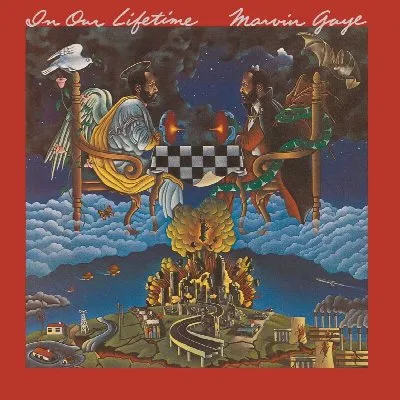
In Our Lifetime
Marvin Gaye
Features eclectic production styles, merging rock and electronic influences with introspective themes.
Reference: Wikipedia · MusicBrainz · Wikidata
Sync your library
Everything you track here works immediately — no account needed. Create one when you want to sync across devices.