

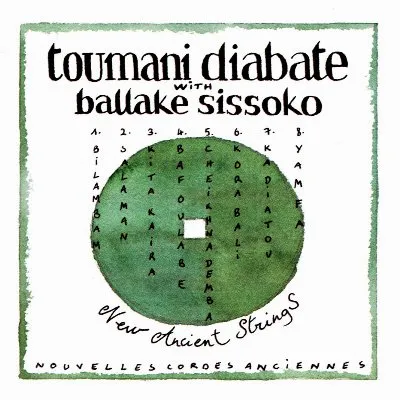
New Ancient Strings
Toumani Diabaté · 1999
53 min · 8 tracks · blues
Fluid kora melodies intertwine with rhythmic improvisation, evoking a rich tapestry of Mali's musical heritage.
Top tracks — play these first
-
→
Bi Lambam — This opening track showcases Diabaté's virtuosic kora playing, establishing the album's serene yet intricate soundscape while setting the tone for the journey ahead.
-
→
Kora Bali — This piece highlights an intricate dialogue between kora and percussion, reflecting the rich textures and rhythms that define Diabaté's style.
-
→
Yamfa — With its evocative melodies and profound emotional depth, this track encapsulates the essence of Diabaté’s artistry, blending tradition with innovation.
Is this for you?
Good fit if you like
- wave-like pacing with resolution
- vibrant textures for deep listening
- rich harmonies for reflective moments
- intertwined melodies that invite immersion
Maybe skip if you
- prefer fast-paced instant gratification
- seek standalone chart-topping hits
Where this album fits
- Career context
- By the time 'New Ancient Strings' was released in 1999, Toumani Diabaté had already established himself as a leading voice in traditional Malian music. This album marked his first major release following the acclaimed 'Kora Flamenca', reflecting his deepening exploration of cross-cultural collaborations and modern interpretations of traditional sounds.
- Stylistic neighbors
- Strunz & Farah· Leonard Cohen· Tamikrest
Moments worth listening for
Where the writing does something specific.
-
Kadiatou
A moment unfolds where the narrative shifts from personal reflection to communal celebration, inviting listeners into a shared cultural space.
Tracklist
Best experienced from track one — press play and let it unfold.
- 1 Bi Lambam 5:00
- 2 Salaman 6:14
- 3 Kita Kaira 9:03
- 4 Bafoulabe 6:26
- 5 Cheikhna Demba 4:30
- 6 Kora Bali 9:07
- 7 Kadiatou 7:49
- 8 Yamfa 5:11
Reference: Wikipedia · MusicBrainz · Wikidata
Sync your library
Everything you track here works immediately — no account needed. Create one when you want to sync across devices.