

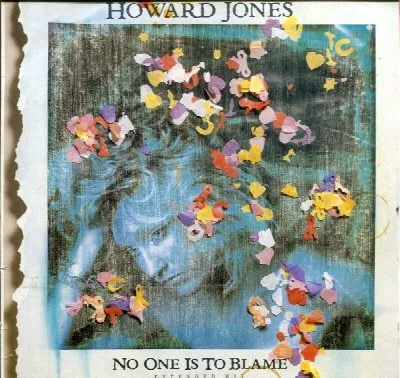
Released 40 years ago
No One Is to Blame
Howard Jones · 1986
11 min · 3 tracks · new wave
Synth-driven melodies intertwine with emotive lyrics, creating an introspective soundscape that defines the mid-1980s pop landscape.
Top tracks — play these first
-
→
No One Is to Blame (extended mix) — The extended mix elevates the emotional weight of the lyrics through its lush instrumentation and dynamic arrangement, making it an anthem of vulnerability.
-
→
The Chase — This track features an infectious melody paired with driving rhythms, encapsulating the energetic essence of Jones' style while contrasting with more introspective themes.
-
→
No One Is to Blame (The long mix) — The long mix distills the essence of the original hit into a more concise form while retaining its poignant message and captivating production.
Elevation
Our rating, out of 100 — and why.
AI-generated from five scored dimensions. An opinion, not a measurement.
The single showcases strong melodies and production typical of mid-80s synth-pop, with notable contrasts between tracks.
What we noticed
- The title track features a prominent synth melody that is layered with vocal harmonies, creating a rich texture.
- The extended mix of 'No One Is to Blame' adds additional instrumental sections, extending the song's runtime and emphasizing its melodic hooks.
- The second track, 'The Chase', employs a faster tempo and a driving beat, contrasting with the introspective nature of the title track.
- Composition 25% of the score
-
6/10
- Craft 20% of the score
-
7/10
- Durability 25% of the score
-
5/10
- Distinctiveness 18% of the score
-
7/10
- Sequencing 12% of the score
-
6/10
the writing — melody, harmony, structure, lyrics
production, performance, arrangement
whether it rewards returning to it
whether it sounds like itself
running order, pacing, length
Significant within its genre. Reported but not counted — how far a record travelled describes its reception rather than the record, and a newer release has had less time to travel than an older one.
Where this album fits
- In the catalog
- Breakthrough — This single solidified Howard Jones' reputation in pop music after his debut.
- Career context
- Released in 1986, No One Is to Blame marked a pivotal moment for Howard Jones as his breakthrough hit following his successful debut album, Human's Lib. At this point, Jones was establishing himself as a prominent figure in the new wave and synth-pop scenes, showcasing his knack for merging catchy hooks with deeper lyrical themes.
- Stylistic neighbors
- Depeche Mode· Erasure· Pet Shop Boys
Tracklist
Best experienced from track one — press play and let it unfold.
- 1 No One Is to Blame (extended mix) 5:14
- 2 The Chase 2:54
- 3 No One Is to Blame (The long mix) 3:09

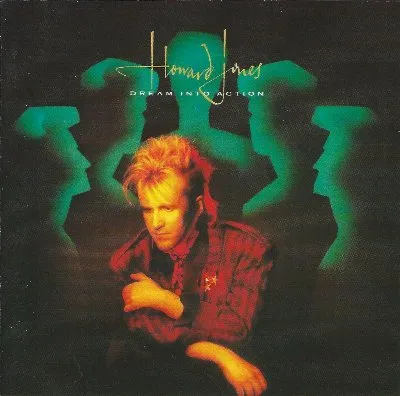
If this landed
Records by other artists that run on the same instinct.
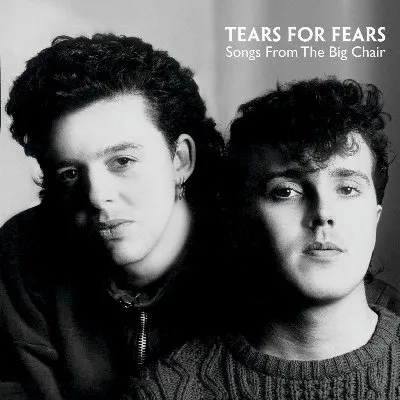
Songs from the Big Chair
Tears for Fears
Shares emotive synth melodies and introspective lyrics characteristic of mid-80s pop.
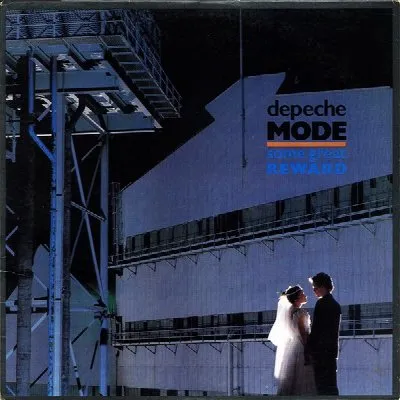
Some Great Reward
Depeche Mode
Combines dark synth textures with poignant lyrical themes, echoing the emotional depth of the era.
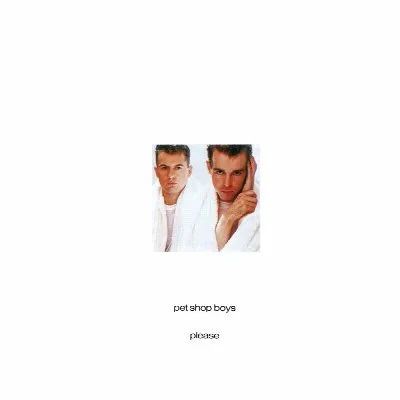
Please
Pet Shop Boys
Merges catchy synth-pop hooks with reflective lyrics, reminiscent of 1980s new wave sensibilities.
Reference: Wikipedia · MusicBrainz · Wikidata
Sync your library
Everything you track here works immediately — no account needed. Create one when you want to sync across devices.