

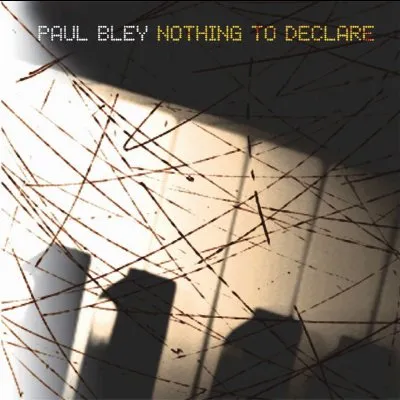
Top tracks — play these first
-
→
Nothing to Declare — At over 18 minutes, the opening title track gives the album its largest span for improvisation and establishes its unhurried scale.
-
→
Breakdown — The nearly 16-minute second track continues the album’s preference for extended development rather than concise statements.
-
→
Blues Waltz — Its title brings two familiar jazz forms into view; the extended performance invites attention to how an improviser can work within their expectations.
-
→
8th Avenue — The shortest piece closes the album on a more compact scale after three performances exceeding 14 minutes.
Elevation
Our rating, out of 100 — and why.
AI-generated from five scored dimensions. An opinion, not a measurement.
InstrumentalThe album showcases strong improvisational skills and varied compositions but lacks broader recognition.
What we noticed
- The album consists of four tracks, each varying in tempo and mood, with the first track establishing a reflective tone that carries through the rest.
- Each piece features extended improvisation, allowing the musicians to explore themes rather than adhering strictly to predetermined structures.
- The final track introduces a more complex rhythmic pattern, contrasting with the earlier pieces and creating a sense of progression.
- Composition 25% of the score
-
7/10
- Craft 20% of the score
-
8/10
- Durability 25% of the score
-
6/10
- Distinctiveness 18% of the score
-
6/10
- Sequencing 12% of the score
-
7/10
the writing — melody, harmony, structure, lyrics
production, performance, arrangement
whether it rewards returning to it
whether it sounds like itself
running order, pacing, length
Known within its scene. Reported but not counted — how far a record travelled describes its reception rather than the record, and a newer release has had less time to travel than an older one.
Where this album fits
- In the catalog
- Critical Peak — Represents a significant artistic achievement in Bley's extensive career.
- Themes
- minimalist improvisation· spacious jazz textures· lyrical exploration
- Career context
- Released in 2004, Nothing to Declare arrived more than three decades after Paul Bley’s solo piano album Open, to Love. By then, the Canadian pianist had a long history of working across bebop and free improvisation, including a formative association with Ornette Coleman in the late 1950s.
- Stylistic neighbors
- Andrew Hill· Ran Blake· Lennie Tristano
Tracklist
Best experienced from track one — press play and let it unfold.
- 1 Nothing to Declare 18:39
- 2 Breakdown 15:47
- 3 Blues Waltz 14:15
- 4 8th Avenue 8:35
What to play next
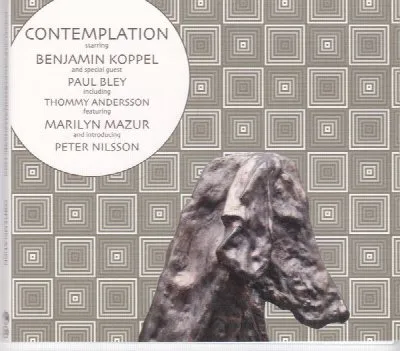
Contemplation
2006
Continues the contemplative exploration with rich textures and improvisation.
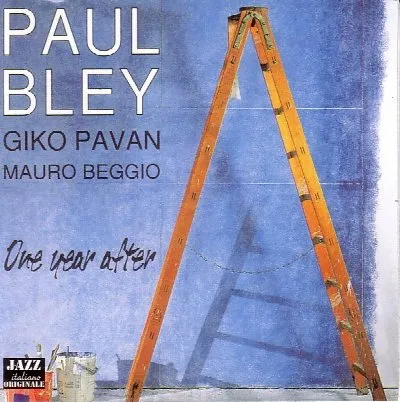
One Year After
2002
Sets the stage with a similar introspective quality leading into Nothing to Declare.
If this landed
Records by other artists that run on the same instinct.
Reference: Wikipedia · MusicBrainz · Wikidata
Sync your library
Everything you track here works immediately — no account needed. Create one when you want to sync across devices.