

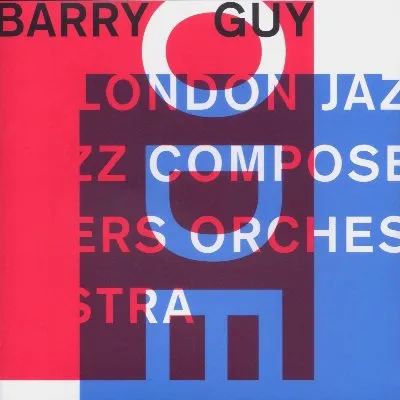
Top tracks — play these first
-
→
Ode, Part I: The End Start here — This opening piece sets the tone for the entire album with its haunting melodies and intricate orchestration, establishing a reflective mood that resonates throughout.
-
→
Ode, Part IV: Indefinite Indivisibility — The longest track on the album showcases an expansive interplay between soloists and ensemble, embodying Guy's vision of collective improvisation and structured chaos.
-
→
Ode, Part VII: Melancholy Departure — This closing track encapsulates the thematic exploration of loss and memory present throughout the album, merging emotional depth with complex harmonic structures.
Is this for you?
Good fit if you like
- long reflective listening experiences
- unfolding narratives that challenge perception
- thoughtful exploration of abstract concepts
- immersive soundscapes for deep focus
Maybe skip if you
- prefer concise, upbeat tracks
- want immediate gratification
Where this album fits
- In the catalog
- Breakthrough — This album marked Barry Guy's emergence as a notable figure in the avant-garde music scene.
- Themes
- London jazz scene· structured chaos
- Career context
- In 1972, Barry Guy was establishing himself as a significant figure in the London jazz scene, moving beyond his early work. 'Ode' came as a pivotal release following his collaborations with the London Jazz Composers' Orchestra, showcasing his innovative approach to large ensemble jazz compositions.
- Stylistic neighbors
- Evan Parker· Peter Brötzmann· John Zorn
Tracklist
Disc 1
- 1 Ode, Part I: The End Start here 9:02
- 2 Ode, Part II: Memory of the Future 9:00
- 3 Ode, Part III: Exact Sensibility 14:15
- 4 Ode, Part IV: Indefinite Indivisibility 23:44
Disc 2
- 1 Ode, Part V: According to the Laws of Chance 11:00
- 2 Ode, Part VI: Presence of Mind 19:04
- 3 Ode, Part VII: Melancholy Departure 11:48
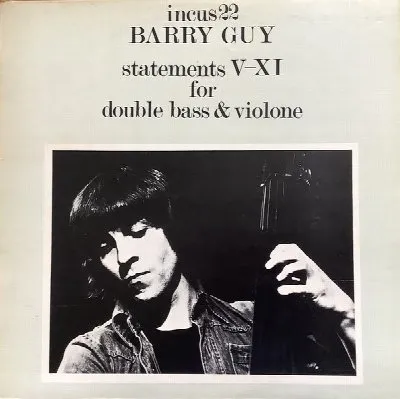
If this landed
Records by other artists that run on the same instinct.
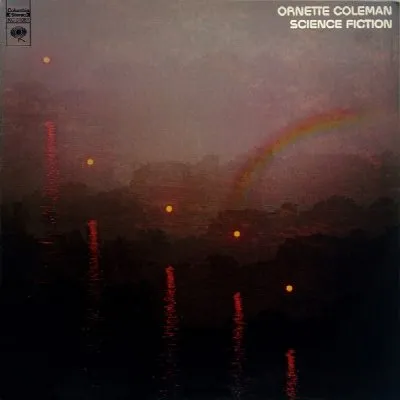
Science Fiction
Ornette Coleman
Explores structured improvisation with an avant-garde edge, blending chaos and melodic invention.
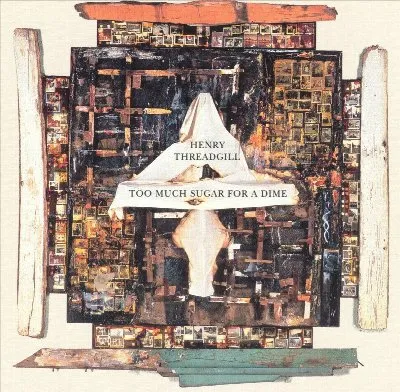
Too Much Sugar for a Dime
Henry Threadgill
Merges orchestral arrangements and free jazz elements, creating intricate layered compositions.
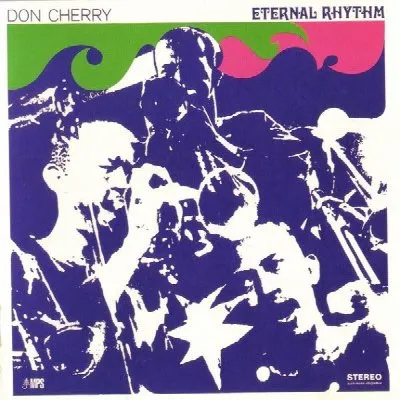
Eternal Rhythm
Don Cherry
Combines world music influences with abstract jazz structures, offering a similar contemplative atmosphere.
Reference: Wikipedia · MusicBrainz · Wikidata
Sync your library
Everything you track here works immediately — no account needed. Create one when you want to sync across devices.