

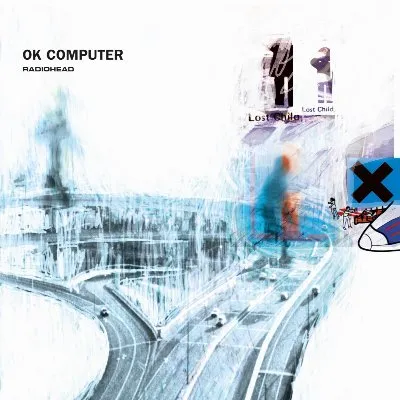
OK Computer
Radiohead · 1997
53 min · 12 tracks · alternative rock
Guitars flicker between bruised intimacy and technological dread while Thom Yorke’s voice drifts through the static.
Top tracks — play these first
-
→
Airbag Start here — A car-crash survival story opens the album with a lurching drum loop and a bass line that seems to stop and restart, setting human fragility against mechanical motion.
-
→
Paranoid Android — Its abrupt turns from tense acoustic picking to distorted guitar and a choral passage make the six-minute single a compact demonstration of the album’s restless architecture.
-
→
Fitter Happier — A computerized voice delivers a checklist of self-improvement over ominous piano and ambient noise, turning the album’s unease into a chilling interlude.
-
→
No Surprises — A lullaby-like guitar figure and glockenspiel frame a portrait of exhaustion, making the contrast between the music’s calm surface and its subject especially stark.
-
→
The Tourist — The closing track stretches into a slow, spacious plea to decelerate, leaving the album on a suspended chord and a final bell.
Elevation
Our rating, out of 100 — and why.
AI-generated from five scored dimensions. An opinion, not a measurement.
OK Computer's intricate composition and innovative sound design create a lasting impact on listeners.
What we noticed
- Several tracks incorporate electronic elements, such as ambient soundscapes and processed vocals, creating a layered texture that enhances the themes of alienation.
- The lyrics often reflect introspective and societal concerns, with songs like 'Karma Police' and 'No Surprises' addressing feelings of disconnection and dissatisfaction.
- Composition 25% of the score
-
8/10
- Craft 20% of the score
-
9/10
- Durability 25% of the score
-
9/10
- Distinctiveness 18% of the score
-
9/10
- Sequencing 12% of the score
-
8/10
the writing — melody, harmony, structure, lyrics
production, performance, arrangement
whether it rewards returning to it
whether it sounds like itself
running order, pacing, length
Defined its genre or moment. Reported but not counted — how far a record travelled describes its reception rather than the record, and a newer release has had less time to travel than an older one.
Is this for you?
Good fit if you like
- haunting soundscapes for introspection
- cathartic moments of tension release
- thought-provoking themes of modernity
- patient exploration of emotional depth
Maybe skip if you
- seeking instant gratification
- prefer straightforward song structures
Where this album fits
- In the catalog
- Breakthrough — This album marked Radiohead's shift to a more experimental sound and gained them wider recognition.
- Themes
- modern alienation· consumerist despair· post-1990s anxiety
- Career context
- Released in 1997, OK Computer was Radiohead’s third album and the follow-up to The Bends. Working with producer Nigel Godrich, the band recorded much of it at St Catherine’s Court, a country house whose rooms helped shape its expansive sound.
- Stylistic neighbors
- Sigur Rós· Interpol· The National
Tracklist
- 1 Airbag Start here 4:44
- 2 Paranoid Android 6:23
- 3 Subterranean Homesick Alien 4:27
- 4 Exit Music (for a Film) 4:24
- 5 Let Down 4:59
- 6 Karma Police 4:21
- 7 Fitter Happier 1:57
- 8 Electioneering 3:50
- 9 Climbing Up the Walls 4:45
- 10 No Surprises 3:48
- 11 Lucky 4:19
- 12 The Tourist 5:24
What to play next
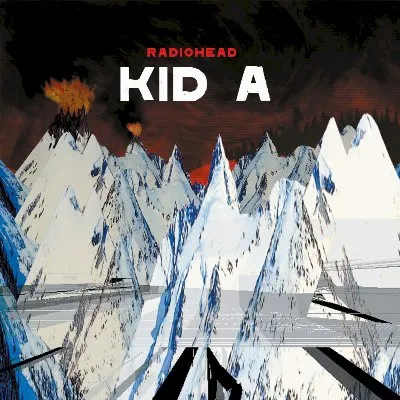
Kid A
2000
Continues the exploration of electronic soundscapes and abstract themes.
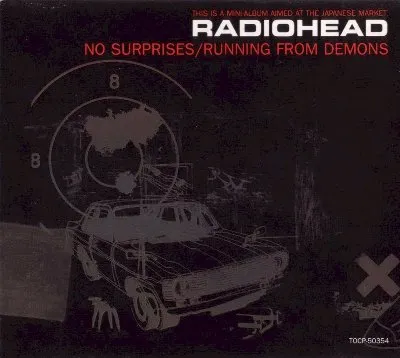
No Surprises/Running from Demons
1997
Precedes OK Computer with similar introspective and haunting qualities.
If this landed
Records by other artists that run on the same instinct.
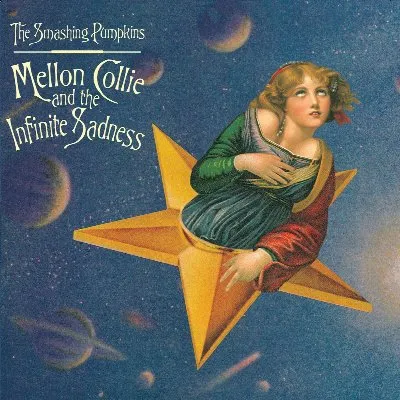
Mellon Collie and the Infinite Sadness
The Smashing Pumpkins
Shares a similar blend of introspective lyrics and layered, atmospheric production.
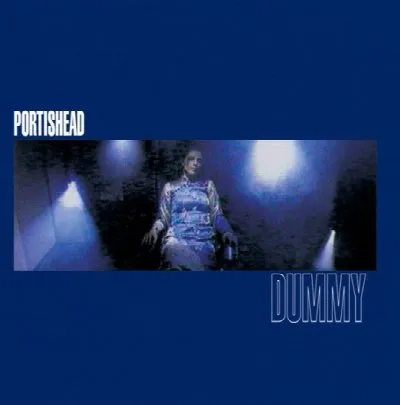
Dummy
Portishead
Both explore themes of modern alienation with haunting soundscapes and emotional depth.
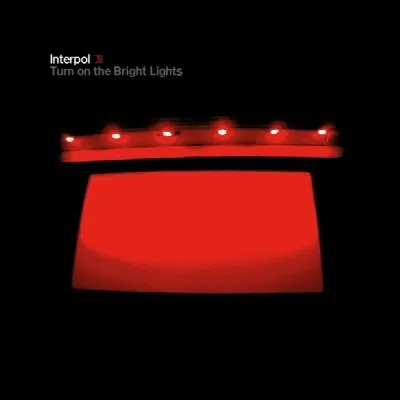
Turn on the Bright Lights
Interpol
Features a dark, brooding atmosphere with complex arrangements and lyrical introspection.
Reference: Wikipedia · MusicBrainz · Wikidata
Sync your library
Everything you track here works immediately — no account needed. Create one when you want to sync across devices.