

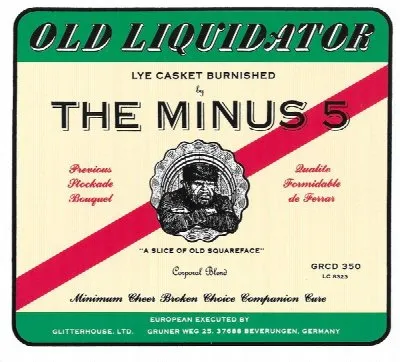
Old Liquidator
The Minus 5 · 1995
52 min · 17 tracks · pop rock
A collage of quirky pop rock melodies intertwined with whimsical lyrics and understated instrumentation creates a charming, eclectic soundscape.
Top tracks — play these first
-
→
Winter Goes Away — This opening track captures the album's blend of melancholic themes with upbeat melodies, setting a reflective tone that resonates throughout.
-
→
Emperor of the Bathroom — This song stands out for its humorous yet poignant exploration of mundane life, showcasing the band's knack for clever storytelling.
-
→
No More Glory — Closing the album, this track encapsulates the overarching themes of resignation and acceptance, featuring a more somber arrangement that contrasts with earlier tracks.
Is this for you?
Good fit if you like
- whimsical storytelling with charm
- playful introspection throughout tracks
- short bursts of catchy melodies
- quirky narratives for curious minds
- late-night reflective sing-alongs
Maybe skip if you
- prefer straightforward, predictable songs
- seek high-energy, fast-paced music
Where this album fits
- Career context
- Released in 1995, Old Liquidator was The Minus 5's debut album, introduced by Scott McCaughey alongside a rotating cast of musicians. This album set the stage for their distinctive blend of pop rock and alternative influences, establishing them in the indie music scene.
- Stylistic neighbors
- The Decemberists· The Shins· Wilco
Tracklist
Best experienced from track one — press play and let it unfold.
- 1 Winter Goes Away 4:05
- 2 Worse 2:46
- 3 All the Time 3:49
- 4 Find a Finger 3:04
- 5 Emperor of the Bathroom 3:22
- 6 Vulture 3:39
- 7 Algerian Hook 2:40
- 8 Story 3:56
- 9 How Many Bones 3:20
- 10 Basing Street 3:06
- 11 No More Glory 5:20
- 12 When It Comes My Way 3:54
- 13 House of Four Doors (Theme) 0:56
- 14 Brotherhood of Pain 2:41
- 15 Heartache for Sale 3:06
- 16 Drunkard's Lullaby 1:55
- 17 House of Four Doors (End Theme) 0:46
Reference: Wikipedia · MusicBrainz · Wikidata
Sync your library
Everything you track here works immediately — no account needed. Create one when you want to sync across devices.