

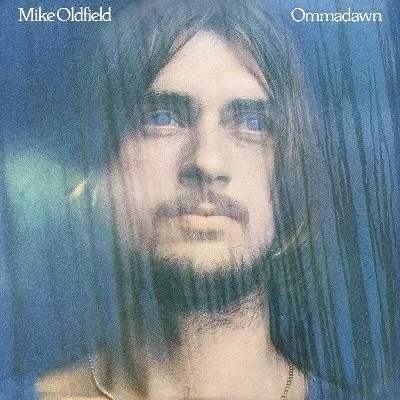
Released 51 years ago this October
Ommadawn
Mike Oldfield · 1975
36 min · 3 tracks · classical music
An expansive journey blending folk melodies, progressive rock structures, and intricate instrumental layers into a cohesive sonic landscape.
Top tracks — play these first
-
→
Ommadawn, Part One — This nearly twenty-minute opener showcases Oldfield's signature layered instrumentation and thematic development, setting the tone for the entire album.
-
→
Ommadawn, Part Two — As a continuation of the first part, this track further explores the motifs introduced earlier, building to an ethereal climax with rich harmonies and rhythmic complexity.
-
→
On Horseback — This shorter piece serves as a reflective interlude with a more traditional folk sound, illustrating Oldfield's versatility and ability to convey emotion with minimal instrumentation.
Elevation
Our rating, out of 100 — and why.
AI-generated from five scored dimensions. An opinion, not a measurement.
InstrumentalOmmadawn showcases intricate composition and exceptional craft, creating a distinctive sonic journey.
What we noticed
- The album consists of two lengthy parts that each develop themes gradually, with 'Part One' featuring multiple sections that shift in tempo and mood.
- Intricate layering of instruments creates a rich tapestry of sound, with acoustic guitars, flutes, and synthesizers interweaving throughout the tracks.
- The final track, 'On Horseback', serves as a reflective conclusion, contrasting the expansive nature of the previous pieces with a more subdued arrangement.
- Composition 25% of the score
-
8/10
- Craft 20% of the score
-
9/10
- Durability 25% of the score
-
7/10
- Distinctiveness 18% of the score
-
8/10
- Sequencing 12% of the score
-
8/10
the writing — melody, harmony, structure, lyrics
production, performance, arrangement
whether it rewards returning to it
whether it sounds like itself
running order, pacing, length
Significant within its genre. Reported but not counted — how far a record travelled describes its reception rather than the record, and a newer release has had less time to travel than an older one.
Where this album fits
- In the catalog
- Breakthrough — Ommadawn solidified Oldfield's reputation after Tubular Bells, gaining wider recognition.
- Themes
- Celtic landscapes· progressive rock journey· ethereal soundscapes
- Career context
- Released on October 21, 1975, Ommadawn was Mike Oldfield's third studio album, following the groundbreaking Tubular Bells. At this point in his career, Oldfield was establishing himself as a pioneering figure in progressive rock and instrumental music, exploring new sounds and textures that would influence countless artists.
- Stylistic neighbors
- Vangelis· Jean-Michel Jarre· Enya
Tracklist
Best experienced from track one — press play and let it unfold.
- 1 Ommadawn, Part One 19:23
- 2 Ommadawn, Part Two 13:54
- 3 On Horseback 3:23


If this landed
Records by other artists that run on the same instinct.
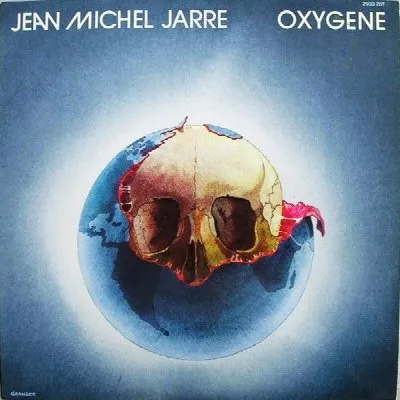
Oxygène
Jean-Michel Jarre
Shares expansive soundscapes and progressive structure, blending electronic textures with organic melodies.

Watermark
Enya
Utilizes lush, layered vocals and atmospheric production, evoking ethereal landscapes akin to Celtic influences.

Larks' Tongues in Aspic
King Crimson
Explores intricate compositions and progressive rock complexity, weaving together various musical traditions.
Reference: Wikipedia · MusicBrainz · Wikidata
Sync your library
Everything you track here works immediately — no account needed. Create one when you want to sync across devices.