

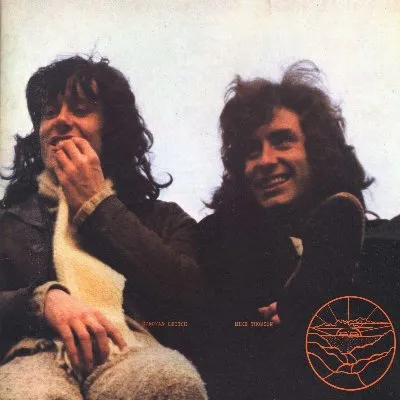
Top tracks — play these first
-
→
Changes Start here — The opener sets Donovan’s reflective singing against a direct band arrangement, introducing the album’s less ornate sound.
-
→
Celtic Rock — Its insistent groove turns Donovan’s interest in Celtic identity into a practical experiment in band-driven folk rock.
-
→
Riki Tivi Tavi — A brisk, memorable groove carries a fable-like warning drawn from Kipling’s mongoose story, combining pop immediacy with the album’s appetite for myth.
-
→
Roots of Oak — The longer arrangement gives Donovan room to develop the record’s preoccupation with ancestry and the natural world over a sturdy rock backing.
Elevation
Our rating, out of 100 — and why.
AI-generated from five scored dimensions. An opinion, not a measurement.
The album blends folk and rock with whimsical storytelling, showcasing Donovan's distinctive style while exploring new sounds.
What we noticed
- The album opens with a mid-tempo track that sets a reflective tone, followed by a series of songs that alternate between upbeat and introspective moods.
- Several tracks feature layered instrumentation, blending acoustic guitars with orchestral elements, creating a rich soundscape.
- The lyrics often employ whimsical storytelling, with some songs featuring conversational structures that invite listener engagement.
- Composition 25% of the score
-
7/10
- Craft 20% of the score
-
6/10
- Durability 25% of the score
-
5/10
- Distinctiveness 18% of the score
-
7/10
- Sequencing 12% of the score
-
6/10
the writing — melody, harmony, structure, lyrics
production, performance, arrangement
whether it rewards returning to it
whether it sounds like itself
running order, pacing, length
Known within its scene. Reported but not counted — how far a record travelled describes its reception rather than the record, and a newer release has had less time to travel than an older one.
Is this for you?
Good fit if you like
- whimsical, dreamy soundscapes
- short, engaging listening sessions
- reflective and contemplative moods
- lighthearted, playful vibes
Where this album fits
- In the catalog
- Experimental — Showcases a blend of genres, marking a departure from previous styles.
- Themes
- Celtic influences· introspective transitions
- Career context
- Released in 1970, Open Road followed Donovan’s 1969 album Barabajagal and moved away from the elaborate studio productions associated with his work with Mickie Most. He recorded it with a band also called Open Road, giving the songs a more compact group sound.
- Stylistic neighbors
- Nick Drake· Simon & Garfunkel· Cat Stevens
Tracklist
- 1 Changes Start here 2:56
- 2 Song for John 2:43
- 3 Curry Land 4:38
- 4 Joe Bean’s Theme 2:52
- 5 People Used To 4:09
- 6 Celtic Rock 3:37
- 7 Riki Tivi Tavi 2:55
- 8 Clara Clairvoyant 2:57
- 9 Roots of Oak 4:53
- 10 Season of Farewell 3:25
- 11 Poke at the Pope 2:47
- 12 New Year’s Resolution 5:09
What to play next
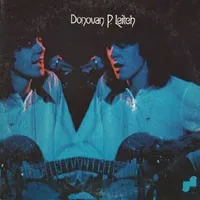
Donovan P. Leitch
1970
Continues the vibrant sound with introspective themes and storytelling.
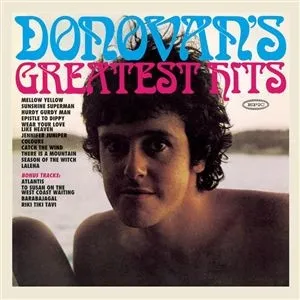
Donovan's Greatest Hits
1969
Sets the stage with popular tracks leading into the whimsical vibe of Open Road.
If this landed
Records by other artists that run on the same instinct.
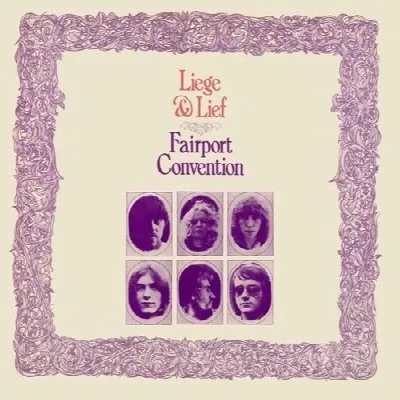
Liege & Lief
Fairport Convention
Pairs electric folk-rock with Celtic traditional melodies and a similarly pastoral, story-shaped atmosphere.
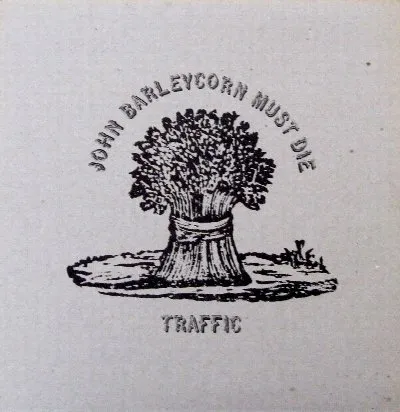
John Barleycorn Must Die
Traffic
Shares a reflective folk-rock core, blending acoustic textures with exploratory arrangements.
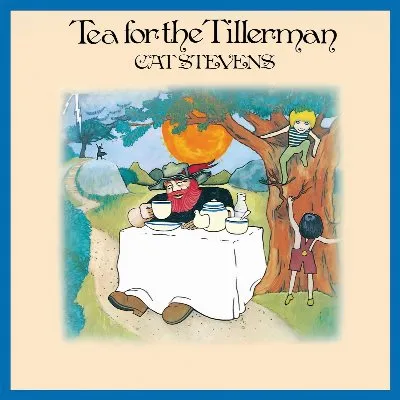
Tea for the Tillerman
Cat Stevens
Matches the era’s intimate folk-pop and inward-looking lyrics, with plainspoken songs about change and direction.
Reference: Wikipedia · MusicBrainz · Wikidata
Sync your library
Everything you track here works immediately — no account needed. Create one when you want to sync across devices.