

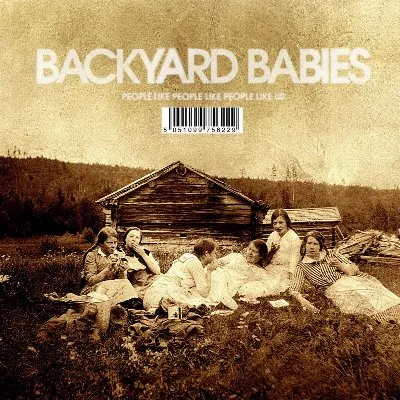
Released 20 years ago
People Like People Like People Like Us
Backyard Babies · 2006
46 min · 14 tracks · hard rock
A raucous blend of punk and glam rock energy, marrying sharp lyrics with infectious hooks and gritty instrumentation.
Top tracks — play these first
-
→
People Like People Like People Like Us Start here — This title track encapsulates the album's rebellious spirit, combining catchy choruses with a critique of social norms, setting the tone for the entire record.
-
→
Cockblocker Blues — With its humorous yet biting commentary on relationship dynamics, this track highlights the band's knack for blending serious themes with playful energy.
-
→
Dysfunctional Professional — This song stands out for its sharp lyrics and driving rhythm, reflecting both personal struggles and broader societal issues through a punk lens.
-
→
Minor Major Problem — Closing out the album, this track combines introspective lyrics with anthemic melodies, illustrating the band's ability to balance chaos with depth.
Elevation
Our rating, out of 100 — and why.
AI-generated from five scored dimensions. An opinion, not a measurement.
The album delivers energetic punk-infused glam rock with engaging hooks and solid performances, though it doesn't break new ground.
What we noticed
- The first track sets a high-energy tone with driving guitars and anthemic choruses, which is maintained through the next several songs.
- Several tracks feature call-and-response vocals, creating an interactive feel that invites listener participation.
- The final track ends on a fade-out, leaving a lingering sense of unresolved energy.
- Composition 25% of the score
-
7/10
- Craft 20% of the score
-
8/10
- Durability 25% of the score
-
6/10
- Distinctiveness 18% of the score
-
6/10
- Sequencing 12% of the score
-
7/10
the writing — melody, harmony, structure, lyrics
production, performance, arrangement
whether it rewards returning to it
whether it sounds like itself
running order, pacing, length
Known within its scene. Reported but not counted — how far a record travelled describes its reception rather than the record, and a newer release has had less time to travel than an older one.
Is this for you?
Good fit if you like
- steady mid-tempo sing-alongs
- cheeky irreverence for parties
- short bursts of energy
- nostalgic reflections on youth
Maybe skip if you
- prefer slow, introspective sounds
- seek intricate, layered compositions
Where this album fits
- In the catalog
- Fan Favorite — Beloved by fans for its energetic sound and strong songwriting, but not the most accessible.
- Themes
- social critique· relationship dynamics· European rock scene
- Career context
- Released in 2006, 'People Like People Like People Like Us' is Backyard Babies' fifth studio album and marks their return after a three-year hiatus following 'Stockholm Syndrome.' At this point, the band was solidifying their presence in the European rock scene while experimenting with a more polished sound that retained their punk ethos.
- Stylistic neighbors
- The Hellacopters· Turbonegro· The Wildhearts
Moments worth listening for
Where the writing does something specific.
-
Heroes & Heroines
The bridge momentarily shifts perspective, addressing disillusionment directly and contrasting it against idealized figures from youth.
This structural shift deepens the emotional complexity by juxtaposing nostalgia with critique, enhancing the song's exploration of lost ideals.
Tracklist
- 1 People Like People Like People Like Us Start here 2:00
- 2 Cockblocker Blues 3:35
- 3 Dysfunctional Professional 3:34
- 4 We Go a Long Way Back 3:10
- 5 Roads 4:23
- 6 Blitzkrieg Loveshock 3:08
- 7 The Mess Age (How Could I Be So Wrong) 3:30
- 8 I Got Spades 3:03
- 9 Hold 'em Down 2:49
- 10 Heroes & Heroines 2:55
- 11 You Cannot Win 3:34
- 12 Things to Do Before We Die 2:54
- 13 Minor Major Problem 4:54
- 14 Shattered Bonds 2:58

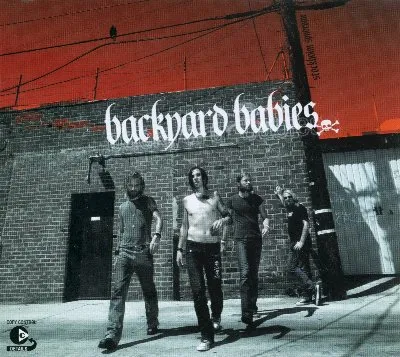
If this landed
Records by other artists that run on the same instinct.
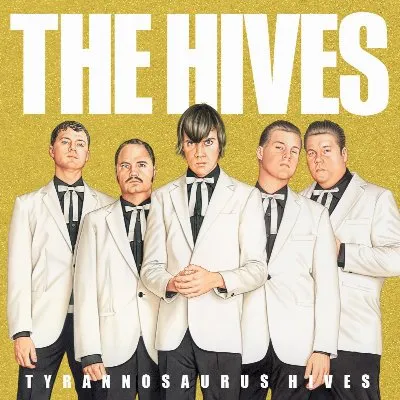
Tyrannosaurus Hives
The Hives
Shares a high-energy punk vibe with sharp wit and catchy hooks, embodying the same European rock spirit.
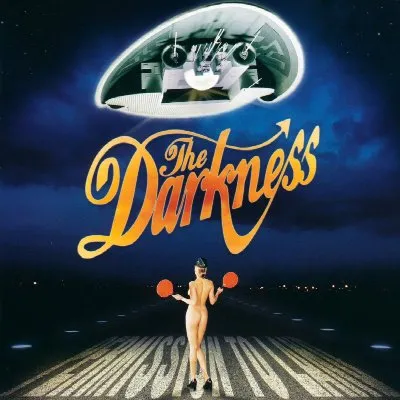
Permission to Land
The Darkness
Combines glam rock flair with raucous punk energy, featuring infectious melodies and tongue-in-cheek lyrics.
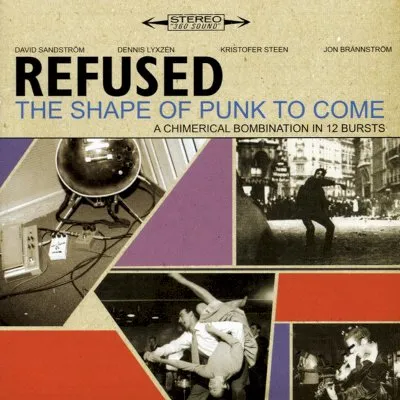
The Shape of Punk to Come
Refused
Blends punk aggression with social critique and experimental sounds, resonating with similar themes of rebellion.
Reference: Wikipedia · MusicBrainz · Wikidata
Sync your library
Everything you track here works immediately — no account needed. Create one when you want to sync across devices.