

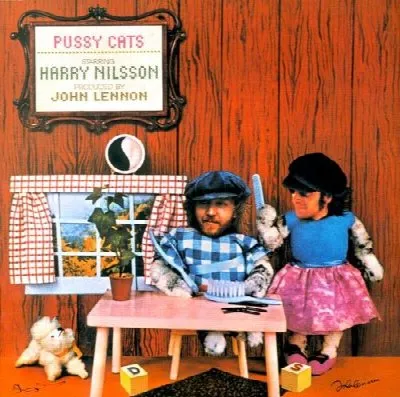
Pussy Cats
Harry Nilsson · 1974
56 min · 14 tracks · pop music
A whimsical blend of playful melodies and introspective lyrics wrapped in an eclectic mix of genres and styles.
Top tracks — play these first
-
→
Many Rivers to Cross Start here — This cover showcases Nilsson’s vocal range and emotional depth, transforming a classic into a personal reflection on loss and yearning.
-
→
Subterranean Homesick Blues — Nilsson's rendition adds a playful twist to Dylan's original, emphasizing the song's themes of disillusionment with an infectious energy.
-
→
Old Forgotten Soldier — This poignant track captures a sense of nostalgia and introspection, highlighting Nilsson’s ability to convey deep emotions through storytelling.
-
→
Rock Around the Clock — By reinterpreting this rock classic, Nilsson brings a fresh, whimsical flair that reflects his unique artistic vision during this period.
Elevation
Our rating, out of 100 — and why.
AI-generated from five scored dimensions. An opinion, not a measurement.
The album showcases eclectic styles and whimsical production but lacks strong cohesion and memorable songwriting throughout.
What we noticed
- The album opens with a cover of 'Many Rivers to Cross' that features layered vocal harmonies and a slow build-up, contrasting with the more upbeat tracks that follow.
- Several tracks incorporate unexpected genre shifts, such as the transition from folk influences in 'Old Forgotten Soldier' to rock elements in 'Rock Around the Clock'.
- The production includes various sound effects and playful instrumentation, particularly evident in 'The Flying Saucer Song', which features a collage of samples and spoken word.
- Composition 25% of the score
-
6/10
- Craft 20% of the score
-
7/10
- Durability 25% of the score
-
5/10
- Distinctiveness 18% of the score
-
6/10
- Sequencing 12% of the score
-
4/10
the writing — melody, harmony, structure, lyrics
production, performance, arrangement
whether it rewards returning to it
whether it sounds like itself
running order, pacing, length
Known within its scene. Reported but not counted — how far a record travelled describes its reception rather than the record, and a newer release has had less time to travel than an older one.
Is this for you?
Good fit if you like
- whimsical storytelling with playful tones
- wave-like dynamics with emotional peaks
- for afternoon daydreaming
- intricate arrangements invite headphone exploration
- sing-along moments with friends
Maybe skip if you
- prefer straightforward, fast-paced tracks
- dislike playful and whimsical styles
Where this album fits
- In the catalog
- Experimental — Represents a shift in sound with unique production and collaboration with John Lennon.
- Career context
- When 'Pussy Cats' was released in 1974, Harry Nilsson was coming off the success of his album 'Nilsson Schmilsson', which included hits like 'Without You'. This album marked a significant shift as it was produced by John Lennon and featured a more experimental approach, reflecting Nilsson's desire to explore beyond mainstream pop.
- Stylistic neighbors
- Randy Newman· The Beach Boys· Paul McCartney
Moments worth listening for
Where the writing does something specific.
-
Old Forgotten Soldier
The narrative shifts from personal memories to broader reflections on war and sacrifice, evoking a sense of lost time.
This transition emphasizes both individual experience and collective memory, enriching the song's emotional weight through its dual perspective.
Tracklist
- 1 Many Rivers to Cross Start here 5:00
- 2 Subterranean Homesick Blues 3:21
- 3 Don't Forget Me 3:40
- 4 All My Life 3:13
- 5 Old Forgotten Soldier 4:16
- 6 Save the Last Dance for Me 4:31
- 7 Mucho Mungo / Mt. Elga 3:46
- 8 Loop de Loop 2:44
- 9 Black Sails 3:18
- 10 Rock Around the Clock 3:13
- 11 Down by the Sea 5:37
- 12 The Flying Saucer Song 6:30
- 13 Turn Out the Light 2:32
- 14 Save the Last Dance for Me 4:26
Reference: Wikipedia · MusicBrainz · Wikidata
Sync your library
Everything you track here works immediately — no account needed. Create one when you want to sync across devices.