

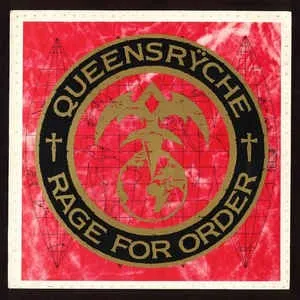
Released 40 years ago
Rage for Order
Queensrÿche · 1986
45 min · 11 tracks · heavy metal
A complex tapestry of progressive metal intricacies fused with heavy riffs and thought-provoking lyrics that challenge societal norms.
Top tracks — play these first
-
→
Walk In The Shadows Start here — accessible entry with immediate hook
-
→
I Dream In Infrared — This track exemplifies the album's blend of haunting melodies and intricate guitar work, underscoring themes of isolation and introspection.
-
→
Chemical Youth (We Are Rebellion) — An anthem reflecting generational discontent, this song features driving rhythms and powerful vocals that resonate with themes of rebellion against societal constraints.
-
→
Screaming In Digital — This track stands out for its dynamic structure and lyrical exploration of technology's impact on humanity, representing the band's forward-thinking approach.
Elevation
Our rating, out of 100 — and why.
AI-generated from five scored dimensions. An opinion, not a measurement.
Queensrÿche's blend of progressive elements with heavy metal creates a distinctive sound that challenges norms.
What we noticed
- Several tracks incorporate layered vocal harmonies that create a rich texture, especially in the choruses.
- The use of synthesizers alongside traditional heavy metal instrumentation adds a progressive element, notably in 'I Dream In Infrared' and 'Chemical Youth (We Are Rebellion)'.
- The lyrical themes often critique societal issues, which are woven into the music rather than presented as separate elements.
- Composition 25% of the score
-
8/10
- Craft 20% of the score
-
7/10
- Durability 25% of the score
-
6/10
- Distinctiveness 18% of the score
-
7/10
- Sequencing 12% of the score
-
6/10
the writing — melody, harmony, structure, lyrics
production, performance, arrangement
whether it rewards returning to it
whether it sounds like itself
running order, pacing, length
Significant within its genre. Reported but not counted — how far a record travelled describes its reception rather than the record, and a newer release has had less time to travel than an older one.
Is this for you?
Good fit if you like
- dynamic emotional journeys
- long, immersive listening sessions
- layered, dense sonic textures
- thought-provoking thematic depth
Where this album fits
- In the catalog
- Critical Peak — Showcases ambitious sound and depth, marking a significant moment in heavy metal.
- Themes
- generational rebellion· technological alienation· societal constraints
- Career context
- Rage for Order is Queensrÿche's second studio album, released in 1986 following their debut, The Warning. At this point, the band was moving towards a more ambitious sound, blending heavy metal with progressive elements, which solidified their identity in the genre and set the stage for their later success.
- Stylistic neighbors
- Fates Warning· Crimson Glory· Dream Theater
Moments worth listening for
Where the writing does something specific.
-
I Dream In Infrared
The bridge shifts to a reflective tone where the narrator describes vivid dreams interspersed with stark emotional imagery.
Tracklist
- 1 Walk In The Shadows Start here 3:37
- 2 I Dream In Infrared 4:17
- 3 The Whisper 3:37
- 4 Gonna Get Close To You 4:37
- 5 The Killing Words 3:56
- 6 Surgical Strike 3:19
- 7 Neue Regel 4:54
- 8 Chemical Youth (We Are Rebellion) 4:14
- 9 London 5:07
- 10 Screaming In Digital 3:36
- 11 I Will Remember 4:27
What to play next
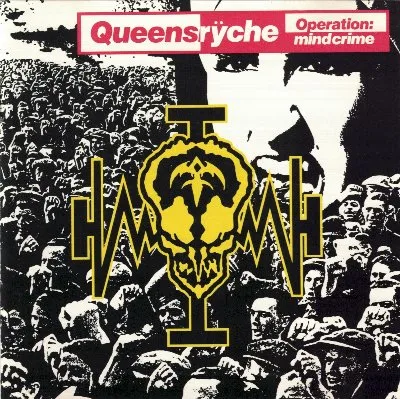
Operation: Mindcrime
1988
It continues the progressive metal themes and narrative depth established in Rage for Order.
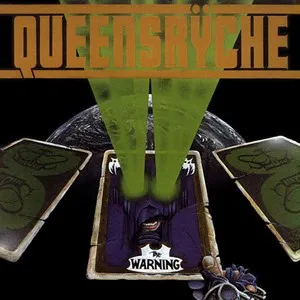
The Warning
1984
This album sets the stage with early progressive elements that lead into Rage for Order.
If this landed
Records by other artists that run on the same instinct.
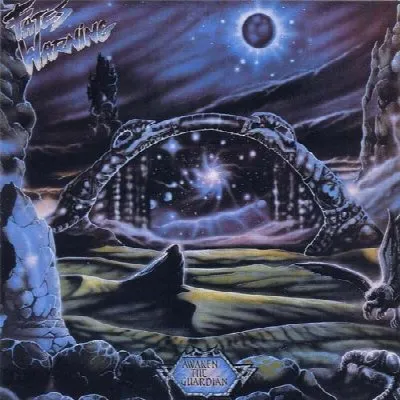
Awaken the Guardian
Fates Warning
Shares complex arrangements and lyrical depth reflecting personal and societal struggles.
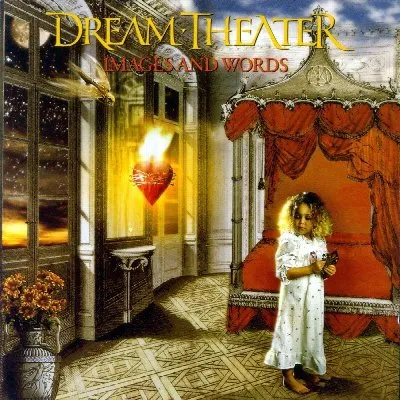
Images and Words
Dream Theater
Combines progressive metal intricacies with thoughtful lyrics on existential themes.

Master of Puppets
Metallica
Explores themes of control and alienation with heavy riffs and intricate song structures.
Reference: Wikipedia · MusicBrainz · Wikidata
Sync your library
Everything you track here works immediately — no account needed. Create one when you want to sync across devices.