

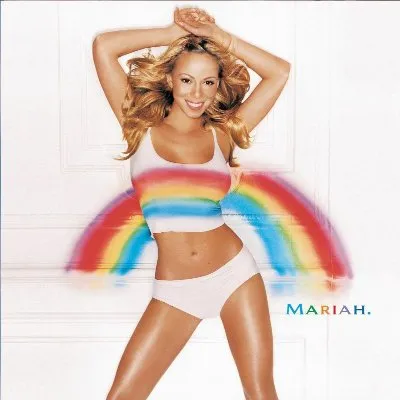
Released 27 years ago this November
Rainbow
Mariah Carey · 1999
55 min · 14 tracks · contemporary R&B
Airy vocal runs drift between hip-hop grooves and grand ballads, with heartbreak giving way to hard-won reassurance.
Top tracks — play these first
-
→
Heartbreaker Start here — Carey’s featherlight melody rides a buoyant sample of Stacy Lattisaw’s “Attack of the Name Game,” while Jay-Z’s verse makes the pop and hip-hop crossover explicit.
-
→
Can’t Take That Away (Mariah’s theme) — A slow-building affirmation places Carey’s voice at the center, moving from restrained verses toward a soaring declaration of self-worth.
-
→
Crybaby — Snoop Dogg joins Carey over a relaxed R&B groove that contrasts with the song’s restless account of a sleepless night.
-
→
Petals — An intimate vocal and reflective writing turn the album’s attention toward family and personal history, offering a quieter counterpoint to its radio-ready singles.
-
→
Thank God I Found You — Joe and 98 Degrees join Carey for a closing ballad that shifts the album from romantic uncertainty toward gratitude and release.
Elevation
Our rating, out of 100 — and why.
AI-generated from five scored dimensions. An opinion, not a measurement.
The album blends genres effectively but has moments that feel less cohesive due to its varied styles.
What we noticed
- The first half of the album features upbeat tracks with hip-hop influences, while the second half shifts to more balladic and introspective songs.
- Several tracks incorporate interludes that create a thematic flow, such as 'Vulnerability' and 'Rainbow', which serve as transitions between songs.
- The album includes collaborations with notable artists, adding variety in vocal styles and production techniques across different tracks.
- Composition 25% of the score
-
7/10
- Craft 20% of the score
-
8/10
- Durability 25% of the score
-
6/10
- Distinctiveness 18% of the score
-
7/10
- Sequencing 12% of the score
-
6/10
the writing — melody, harmony, structure, lyrics
production, performance, arrangement
whether it rewards returning to it
whether it sounds like itself
running order, pacing, length
Significant within its genre. Reported but not counted — how far a record travelled describes its reception rather than the record, and a newer release has had less time to travel than an older one.
Is this for you?
Good fit if you like
- wave-like emotional highs and lows
- uplifting themes for personal empowerment
- moments of introspective vulnerability
- danceable tracks for celebration
- headphone detail with vocal prowess
Maybe skip if you
- prefer instant gratification tracks
- dislike emotional depth and nuance
Where this album fits
- In the catalog
- Breakthrough — This album marked a significant return to commercial success and wider recognition.
- Themes
- public divorce· hip-hop collaboration· personal resilience
- Career context
- Released in 1999, Rainbow was Mariah Carey’s seventh studio album and followed 1997’s Butterfly. It continued her embrace of hip-hop collaborations while retaining the sweeping ballads that had established her as a pop star.
- Stylistic neighbors
- Alicia Keys· Whitney Houston· Beyoncé
Moments worth listening for
Where the writing does something specific.
-
Heartbreaker
The chorus repeatedly asks why a lover keeps returning only to cause more hurt.
Framing the hook as a question leaves the cycle unresolved, even as the melody makes it easy to sing along.
Tracklist
- 1 Heartbreaker Start here 4:46
- 2 Can’t Take That Away (Mariah’s theme) 4:32
- 3 Bliss 5:44
- 4 How Much 3:31
- 5 After Tonight 4:16
- 6 X-Girlfriend 3:57
- 7 Heartbreaker (remix) 4:31
- 8 Vulnerability (interlude) 1:12
- 9 Against All Odds (Take a Look at Me Now) 3:25
- 10 Crybaby 5:20
- 11 Did I Do That? 4:16
- 12 Petals 4:22
- 13 Rainbow (interlude) 1:32
- 14 Thank God I Found You 4:17
What to play next
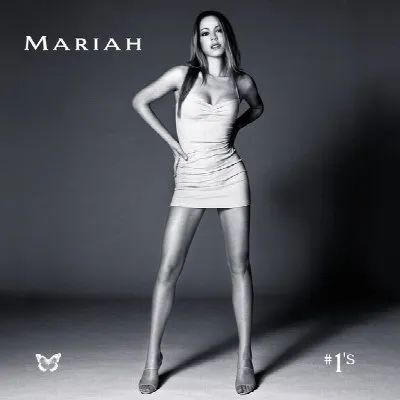
#1's
1998
This album continues the vibrant pop and R&B vibe with familiar hits.

Butterfly
1997
It sets the stage for Rainbow's themes of empowerment and emotional depth.
If this landed
Records by other artists that run on the same instinct.

Reference: Wikipedia · MusicBrainz · Wikidata
Sync your library
Everything you track here works immediately — no account needed. Create one when you want to sync across devices.