


Rea
2004 64 min 5 tracks
Elevation 81 /100 AlpineA hypnotic blend of minimalist structures and intricate rhythmic patterns that challenge conventional jazz and funk idioms.
Is this for you?
Good fit if you like
- hypnotic rhythmic exploration sessions
- patient unfolding of intricate patterns
- long immersive listening experiences
- deep focus during solitary moments
Maybe skip if you
- prefer quick, catchy tracks
- want immediate musical gratification
Recommended tracks
Top tracks — play these first
-
Modul 27 — This opening track establishes the album's rhythmic complexity while introducing listeners to Bärtsch's signature blend of repetition and variation.
-
Modul 22 — With its extended length, this track allows for deeper explorations of motif development, showcasing how minimalism can evoke profound emotional responses.
-
Modul 26 — The climactic piece of the album, it encapsulates the interplay between tension and release, demonstrating Bärtsch's masterful command over dynamics and structure.
Elevation
Our rating, out of 100 — and why.
AI-generated from five scored dimensions. An opinion, not a measurement. How Elevation works
InstrumentalRea showcases intricate rhythms and minimalist structures, establishing a unique sound in contemporary jazz.
What we noticed
- Each track is built around a central motif that is gradually developed through variations in rhythm and texture.
- Tracks are interwoven with minimalist elements, allowing for extended improvisation while maintaining a cohesive sound.
- Composition 25% of the score
-
8/10
- Craft 20% of the score
-
7/10
- Durability 25% of the score
-
6/10
- Distinctiveness 18% of the score
-
9/10
- Sequencing 12% of the score
-
8/10
the writing — melody, harmony, structure, lyrics
production, performance, arrangement
whether it rewards returning to it
whether it sounds like itself
running order, pacing, length
Weighted as shown, these five average 74.8 out of 100. Elevation spreads averages across a wider scale, which places this one at 81; the spreading never changes which of two albums scores higher.
Significant within its genre. Reported but not counted — how far a record travelled describes its reception rather than the record, and a newer release has had less time to travel than an older one.
Tracklist
Best experienced from track one — press play and let it unfold.
- 1 Modul 27 (recommended) 10:05
- 2 Modul 22 (recommended) 16:38
- 3 Modul 18 6:45
- 4 Modul 26 (recommended) 18:14
- 5 Modul 23 12:35
Where this album fits
- In the catalog
- Deep Cut — An early catalog entry that develops Bärtsch’s rhythmic, minimalist approach without serving as the main gateway or c...
- Themes
- Zurich zen funk· interlocking rhythmic patterns· repeating musical motifs
- Career context
- Released in 2004, Rea is Nik Bärtsch's third studio album and marks a significant point in his exploration of zen funk. Following his debut, Stoa, and sophomore effort, Holon, this album solidified his unique sound that merges art music with improvisation. At this time, Bärtsch was gaining recognition as a leading figure in the European jazz scene.
- Stylistic neighbors
- Esbjörn Svensson Trio· Tigran Hamasyan· GoGo Penguin
Keep listening
What to play next
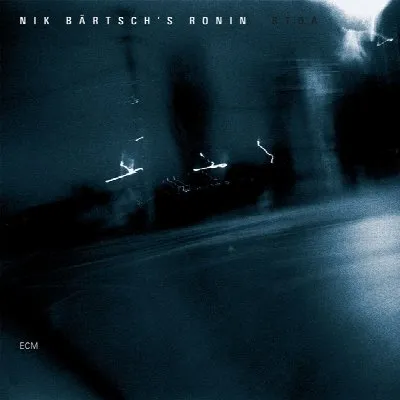
Stoa
2006
It develops Rea’s interlocking rhythms into a more focused, full-band expression of Bärtsch’s modular sound.
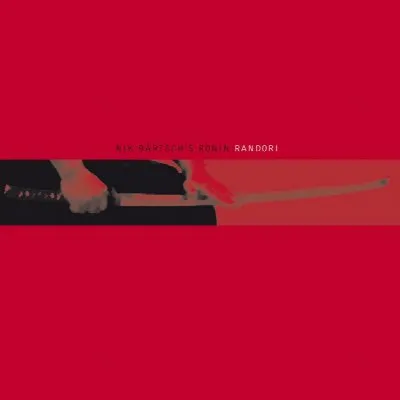
Randori
2002
Its earlier take on tightly patterned grooves provides a useful lead-in to Rea’s more intricate structures.
Own the record
Some of these are affiliate links: a purchase may earn Northsound a small commission, at no cost to you. It never decides what we recommend or how we score.
Sources
The Weekly Dispatch
One record worth your time, every week — picked the way this page is.
One short email. Free, unsubscribe anytime. Read this week's.
Sync your library
Everything you track here works immediately — no account needed. Create one when you want to sync across devices.