


Photo: Svickova · Public domain

The Northsound field guide
Where to start with Nik Bärtsch
With 11 releases spanning nearly two decades, Nik Bärtsch’s catalog can be hard to enter without a clear starting point. This guide starts with Holon and shows how to follow its interlocking grooves and minimal patterns into the wider catalog, beginning with “Modul 29.”
01 · Your first stop
Start here.
New to Nik Bärtsch? You don’t need to hear everything. Start with this.
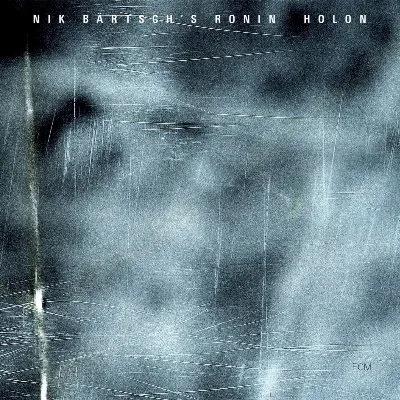
Your first album
Holon
2008 ·Best starting point
Captures Bärtsch's distinctive blend of rhythmic complexity and minimalism, providing a cohesive experience for new listeners.
Only have a few minutes?
“Modul 29” from Aer (2004)
Immediate groove and engaging layers that exemplify Bärtsch's style, making it a captivating introduction to his music.
Good fit if you like
- meditative rhythmic exploration
- patiently evolving soundscapes
- intricate patterns for focus
- dynamic grooves for deep listening
Maybe skip if you
- prefer quick, catchy tunes
- want straightforward song structures
02 · Track by track
Songs to start with
If you would rather start with a song than an album.
-
1
“Modul 11”
from Ritual Groove Music (2004)
With its complex interplay between instruments and evolving motifs, this track showcases Bärtsch's compositional prowess and his ability to innovate within minimalist frameworks.
-
2
“Modul 58”
from Awase (2018)
At over eighteen minutes, this expansive piece showcases Bärtsch's mastery of repetitive structures and dynamic interplay among musicians, highlighting his compositional depth.
-
3
“Modul 35”
from Stoa (2006)
This track stands out with its dynamic interplay between instruments, showcasing Bärtsch's ability to create tension and resolve within a minimalist framework.
-
4
“Modul 22”
from Rea (2004)
With its extended length, this track allows for deeper explorations of motif development, showcasing how minimalism can evoke profound emotional responses.
03 · The trail ahead
The records, in order
Every Nik Bärtsch studio album, from the first. Once the first stop lands, keep going in either direction.
-
Randori 2002 76 /100 Alpine The album features a consistent use of repetitive rhythmic motifs that evolve gradually over its nine tracks.
-
Aer 2004 87 /100 Summit Each track is built around a central rhythmic motif that evolves gradually, creating a sense of continuity across the album.
-
Ritual Groove Music 2004 86 /100 Summit Each track is built around a repetitive groove that evolves gradually, creating a meditative atmosphere.
-
Rea 2004 81 /100 Alpine Each track is built around a central motif that is gradually developed through variations in rhythm and texture.

-
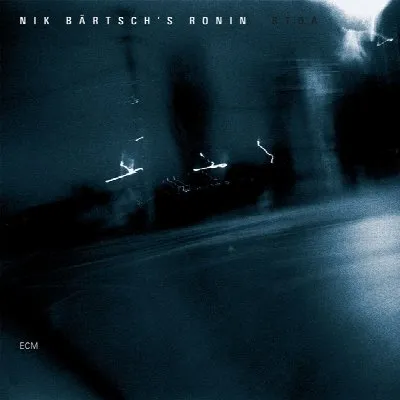
Stoa 2006 83 /100 Summit Each track is built around a central rhythmic motif that evolves gradually, with subtle variations introduced over time.
-
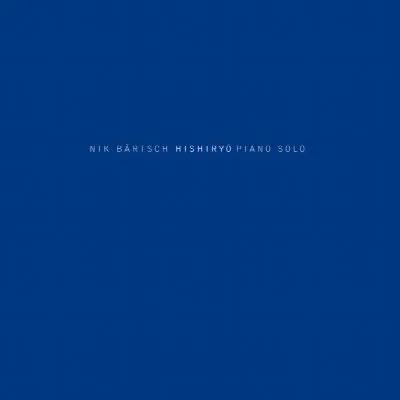
Hishiryo: Piano Solo 2006 78 /100 Alpine Each track features repetitive motifs that evolve gradually, creating a meditative atmosphere.
-
Holon 2008 81 /100 Alpine Your first stop Each track is built around a central rhythmic motif that evolves gradually, creating a sense of continuity across the album.
-
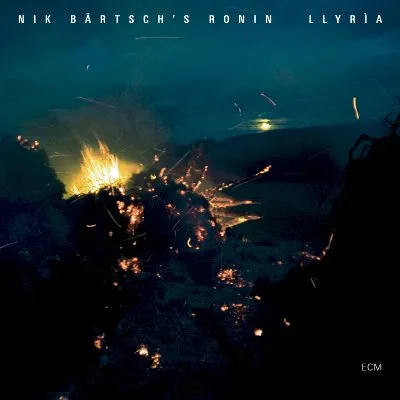
Llyrìa 2010 76 /100 Alpine Each track features a distinct rhythmic pattern that evolves gradually, often layering additional instruments over a steady pulse.
-
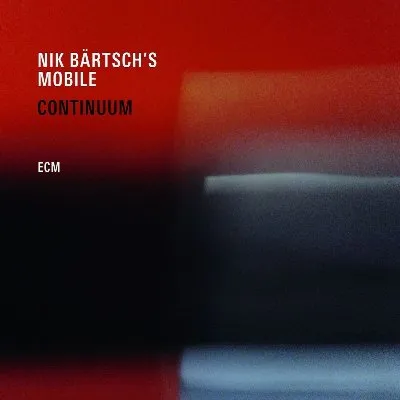
Continuum 2016 81 /100 Alpine Each track is built around a central rhythmic motif that evolves gradually, creating a sense of hypnotic continuity.
-
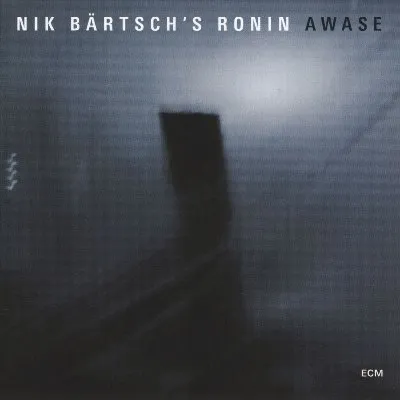
Awase 2018 86 /100 Summit Each track is built around a repetitive motif that evolves gradually, creating a meditative atmosphere.
04 · Beyond this guide
Where to go next
-
Esbjörn Svensson Trio Their blend of jazz with minimalist influences and intricate rhythmic patterns creates a similarly engaging listening experience. Start with Viaticum (2005)

-
Tigran Hamasyan Combining jazz with Armenian folk music, his complex rhythms and layered compositions resonate with Bärtsch's hypnotic style. Start with Mockroot (2015)

-
GoGo Penguin This trio fuses jazz with electronic elements and minimalist motifs, resulting in a sound that is both rhythmic and immersive. Start with v2.0 (2014)

05 · Keep exploring
The Weekly Dispatch
Every Tuesday, a few more places to start listening.
One short email. Free, unsubscribe anytime. Read this week's.
Common questions
Where should I start with Nik Bärtsch?
Start with Holon (2008). Captures Bärtsch's distinctive blend of rhythmic complexity and minimalism, providing a cohesive experience for new listeners.
Which Nik Bärtsch songs should I hear first?
Start with "Modul 29" from Aer, "Modul 11" from Ritual Groove Music, "Modul 58" from Awase and "Modul 35" from Stoa.
In what order should I listen to Nik Bärtsch's albums?
In release order: "Randori" (2002), "Aer" (2004), "Ritual Groove Music" (2004), "Rea" (2004), "Stoa" (2006), "Hishiryo: Piano Solo" (2006), "Holon" (2008), "Llyrìa" (2010), "Continuum" (2016) and "Awase" (2018). New listeners can start with "Holon" and work outward in either direction.
Which artists should I listen to after Nik Bärtsch?
Try Esbjörn Svensson Trio (start with "Viaticum"), Tigran Hamasyan (start with "Mockroot") and GoGo Penguin (start with "v2.0").