

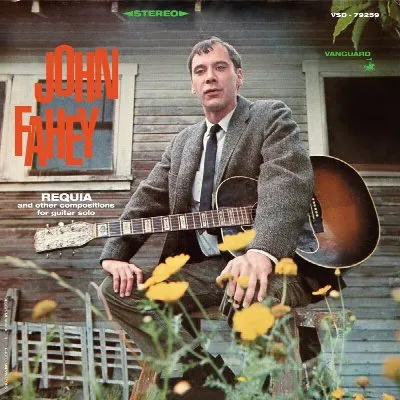
Requia
John Fahey · 1967
44 min · 8 tracks · blues
Fingerpicked guitar moves from stately blues meditation into a disquieting collage of voices and recorded noise.
Top tracks — play these first
-
→
Requiem for John Hurt Start here — A tribute to Mississippi John Hurt opens the record with gently articulated fingerpicking, making Fahey’s connection to an older blues tradition audible.
-
→
When the Catfish Is in Bloom — Its unhurried guitar passages give Fahey room to develop melodic ideas across a longer span, balancing folk-derived picking with a compositional patience.
-
→
Requiem for Molly, Part 1 — The opening section of the album’s extended suite introduces the collision between guitar and recorded material that distinguishes Requia from a conventional solo folk record.
-
→
Requiem for Molly, Part 2 — The suite’s second section deepens its unsettling use of tape collage, shifting attention from the intimacy of fingerpicked guitar toward a crowded world of recorded sound.
Elevation
Our rating, out of 100 — and why.
AI-generated from five scored dimensions. An opinion, not a measurement.
The album's ambitious structure and intricate guitar work create a haunting and cohesive listening experience.
What we noticed
- The album is structured around a series of movements, with the 'Requiem for Molly' section divided into four distinct parts that explore variations on a central theme.
- Each track features intricate fingerpicking guitar work, often accompanied by sparse instrumentation that emphasizes the emotional weight of the melodies.
- Composition 25% of the score
-
8/10
- Craft 20% of the score
-
7/10
- Durability 25% of the score
-
8/10
- Distinctiveness 18% of the score
-
8/10
- Sequencing 12% of the score
-
9/10
the writing — melody, harmony, structure, lyrics
production, performance, arrangement
whether it rewards returning to it
whether it sounds like itself
running order, pacing, length
Significant within its genre. Reported but not counted — how far a record travelled describes its reception rather than the record, and a newer release has had less time to travel than an older one.
Is this for you?
Good fit if you like
- haunting melodies for reflection
- emotional landscapes of nostalgia
- patient unfolding of themes
- intimate solo listening experience
Maybe skip if you
- seeking upbeat party tracks
- prefer immediate gratification
Where this album fits
- In the catalog
- Experimental — Its multi-part requiem structure and expanded textures depart from Fahey's more familiar solo guitar format.
- Themes
- Mississippi John Hurt tribute· Molly requiem· tape-collage voices
- Career context
- Released in 1967, Requia was Fahey’s first album for Vanguard after a run of records associated with his own Takoma label. It followed The Great San Bernardino Birthday Party and extended his interest in long-form composition beyond solo guitar.
- Stylistic neighbors
- Robbie Basho· Leo Kottke· Glenn Jones
Tracklist
- 1 Requiem for John Hurt Start here 5:10
- 2 Requiem for Russell Blaine Cooper 8:56
- 3 When the Catfish Is in Bloom 7:42
- 4 Requiem for Molly, Part 1 7:40
- 5 Requiem for Molly, Part 2 7:46
- 6 Requiem for Molly, Part 3 2:33
- 7 Requiem for Molly, Part 4 3:00
- 8 Fight On Christians, Fight On 1:57
What to play next
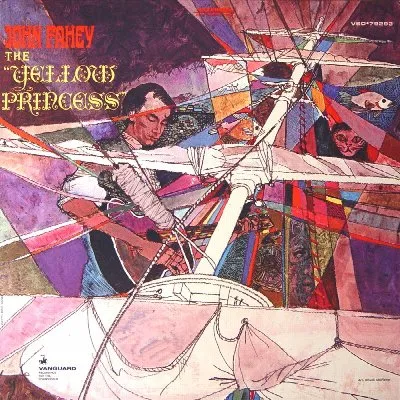
The Yellow Princess
1968
It carries Requia’s experimental edge forward, adding more varied textures and arrangements while keeping Fahey’s gui...

Days Have Gone By
1967
Its reflective, spacious guitar work sets up Requia’s more haunting and experimental atmosphere.
If this landed
Records by other artists that run on the same instinct.
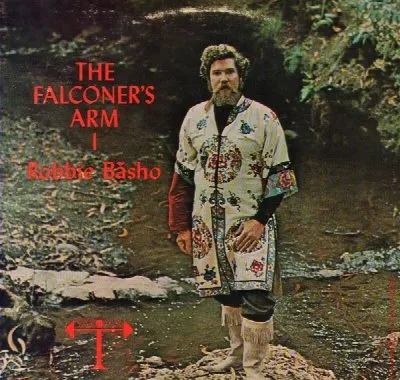
The Falconer's Arm I
Robbie Basho
Shares Fahey’s stately fingerpicked guitar, modal blues inflections, and searching, meditative long forms.
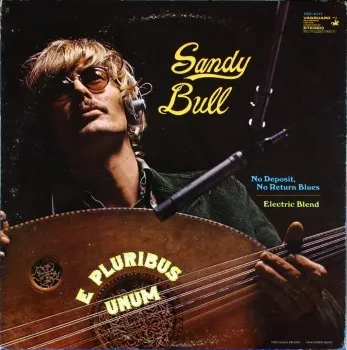
E Pluribus Unum
Sandy Bull
Extends acoustic folk instruments into long, overdubbed meditations with an exploratory, inward atmosphere.
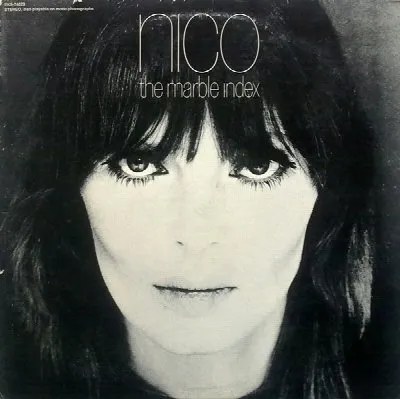
The Marble Index
Nico
Pairs sparse folk instrumentation with disquieting vocal and drone textures for a similarly elegiac, uncanny mood.
Reference: Wikipedia · MusicBrainz · Wikidata
Sync your library
Everything you track here works immediately — no account needed. Create one when you want to sync across devices.