

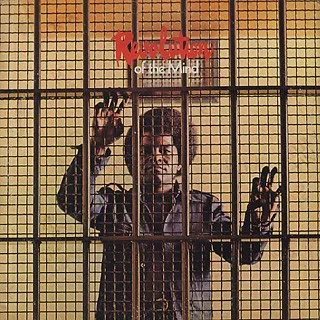
Revolution of the Mind
James Brown · 1971
62 min · 12 tracks · blues
A pulsating blend of funk and soul energy, driven by relentless grooves and dynamic brass arrangements.
Top tracks — play these first
-
→
Get Up (I Feel Like Being a) Sex Machine Start here — This track epitomizes Brown's revolutionary approach to rhythm and groove, blending call-and-response vocals with an infectious bassline that defined the funk genre.
-
→
Make It Funky — An extended jam that showcases Brown's improvisational skills, this track underscores the live energy of his performances while highlighting the seamless interplay between musicians.
-
→
Soul Power — With its emphatic lyrics about empowerment and resilience, this song reflects the socio-political context of the early 1970s, making it not just a musical but also a cultural statement.
Elevation
Our rating, out of 100 — and why.
AI-generated from five scored dimensions. An opinion, not a measurement.
This album captures live energy and showcases Brown's funk mastery while addressing socio-political themes.
What we noticed
- The album opens with a spoken intro that transitions into a high-energy funk groove, immediately setting the tone for the live performance.
- Several tracks feature extended instrumental sections where the band showcases improvisation, particularly during 'Make It Funky' and 'Fast Medley'.
- The running time of the album is over 70 minutes, with many tracks blending into one another, creating a continuous flow of music.
- The final track features a gradual fade-out that leaves the listener in a lingering groove, contrasting with the more abrupt endings of earlier songs.
- Composition 25% of the score
-
8/10
- Craft 20% of the score
-
9/10
- Durability 25% of the score
-
7/10
- Distinctiveness 18% of the score
-
9/10
- Sequencing 12% of the score
-
8/10
the writing — melody, harmony, structure, lyrics
production, performance, arrangement
whether it rewards returning to it
whether it sounds like itself
running order, pacing, length
Significant within its genre. Reported but not counted — how far a record travelled describes its reception rather than the record, and a newer release has had less time to travel than an older one.
Is this for you?
Good fit if you like
- dynamic progression with energetic peaks
- invigorating dancefloor anthems for parties
- captivating vibrant live performance energy
- wave-like pacing that engages listeners
Maybe skip if you
- prefer slow, introspective music
- seek standalone, radio-friendly tracks
Where this album fits
- In the catalog
- Fan Favorite — Beloved for its live energy and iconic tracks, appealing to dedicated fans of funk.
- Themes
- civil rights anthems· gospel-infused resilience· live performance energy
- Career context
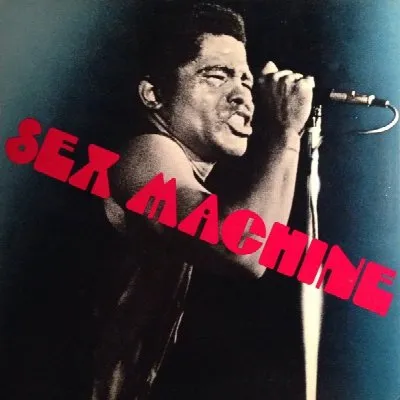
- By 1971, James Brown was already a well-established figure in music, renowned for his groundbreaking work in funk. 'Revolution of the Mind' follows his landmark album 'Sex Machine', showcasing a live performance that captures the peak of his energetic stage presence and innovative sound.
- Stylistic neighbors
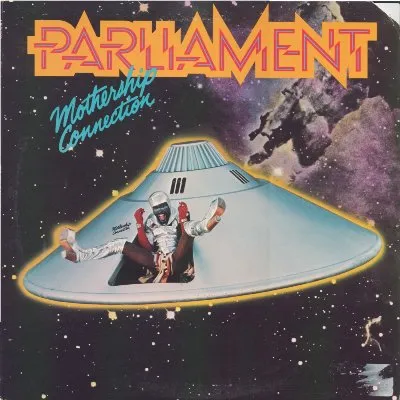
- Prince· Sly and the Family Stone· Parliament-Funkadelic
Moments worth listening for
Where the writing does something specific.
-
Soul Power
The chorus repeats a powerful declaration about self-empowerment and unity among listeners.
The repeated emphasis on collective strength not only motivates action but also serves as a rallying cry for social change during a turbulent time in American history.
Tracklist
- 1 Intro/It’s a New Day So Let a Man Come In and Do the Popcorn 3:50
- 2 Bewildered 7:57
- 3 Get Up (I Feel Like Being a) Sex Machine Start here 5:07
- 4 Escape‐Ism 3:06
- 5 Make It Funky 12:54
- 6 Try Me 2:45
- 7 Fast Medley: I Can’t Stand It/Mother Popcorn/I Got the Feelin’ 1:19
- 8 Give It Up or Turnit a Loose 2:24
- 9 Call Me Super Bad 4:24
- 10 Get Up, Get Into It, Get Involved 3:23
- 11 Soul Power 6:38
- 12 Hot Pants (She Got to Use What She Got to Get What She Wants) 8:35

If this landed
Records by other artists that run on the same instinct.

Reference: Wikipedia · MusicBrainz · Wikidata
Sync your library
Everything you track here works immediately — no account needed. Create one when you want to sync across devices.