

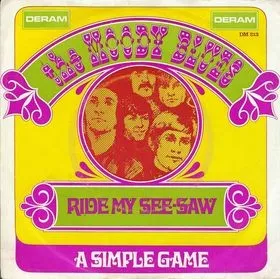
Ride My See-Saw
The Moody Blues · 1968
2 tracks · progressive rock
A vibrant blend of progressive rock and psychedelic sounds, layered with intricate orchestration and contemplative lyrics.
Top tracks — play these first
-
→
Ride My See-Saw — This track exemplifies The Moody Blues' signature sound with its driving rhythm and evocative lyrics about life's journey, making it an anthem of exploration.
-
→
A Simple Game — The song features an introspective melody paired with poignant lyrics that reflect on the complexities of life, showcasing the band's lyrical depth.
Elevation
Our rating, out of 100 — and why.
AI-generated from five scored dimensions. An opinion, not a measurement.
The single showcases strong writing and production but lacks the depth of a full album.
What we noticed
- The title track features a prominent use of the sitar, which adds an exotic texture to the song's driving rhythm.
- In 'A Simple Game', the arrangement incorporates lush orchestration that contrasts with the more straightforward rock instrumentation of the A-side.
- Composition 25% of the score
-
7/10
- Craft 20% of the score
-
8/10
- Durability 25% of the score
-
6/10
- Distinctiveness 18% of the score
-
7/10
- Sequencing 12% of the score
-
5/10
the writing — melody, harmony, structure, lyrics
production, performance, arrangement
whether it rewards returning to it
whether it sounds like itself
running order, pacing, length
Known within its scene. Reported but not counted — how far a record travelled describes its reception rather than the record, and a newer release has had less time to travel than an older one.
Where this album fits
- In the catalog
- Breakthrough — 'Ride My See-Saw' solidified The Moody Blues' recognition after 'Days of Future Passed.'
- Themes
- life's journey· orchestral exploration
- Career context
- Released on October 12, 1968, 'Ride My See-Saw' marked a significant moment for The Moody Blues following their commercial breakthrough with 'Days of Future Passed.' At this point, the band was solidifying its identity within the burgeoning progressive rock scene, utilizing orchestral elements to enhance their sound. The album showcased their evolution from rhythm and blues origins to becoming pioneers of art rock.
- Stylistic neighbors
- Yes· King Crimson· Genesis
Tracklist
Best experienced from track one — press play and let it unfold.
- 1 Ride My See-Saw
- 2 A Simple Game
If this landed
Records by other artists that run on the same instinct.

In the Court of the Crimson King
King Crimson
Shares a similar orchestral approach and progressive rock complexity, with contemplative themes.
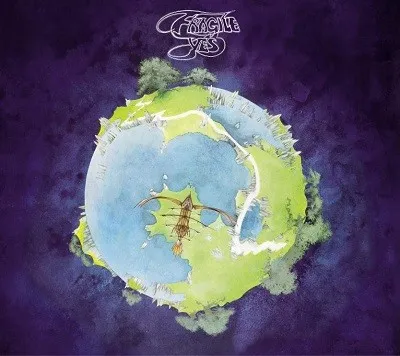
Fragile
Yes
Features intricate arrangements and a blend of melodic exploration, reflecting on life's journey.
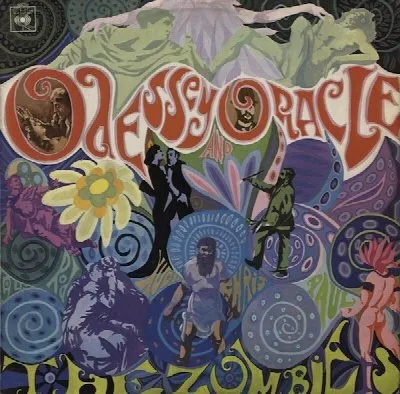
Odessey and Oracle
The Zombies
Combines psychedelic elements with lush harmonies and thoughtful lyrics about life's experiences.
Reference: Wikipedia · MusicBrainz · Wikidata
Sync your library
Everything you track here works immediately — no account needed. Create one when you want to sync across devices.