

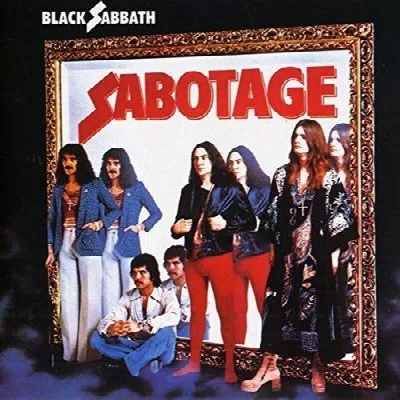
Sabotage
1975 43 min 8 tracks hard rock
Elevation 73 /100 TreelineSabbath’s crushing guitars make room for acoustic interludes and an imposing choir as Ozzy Osbourne’s voice cuts through the turbulence.
Is this for you?
Good fit if you like
- dynamic journey with emotional peaks
- wave-like pacing with intensity shifts
- cathartic release through intricate riffs
- engaging in-order listening experience
Maybe skip if you
- prefer short, standalone tracks
- seek consistent, predictable energy
Recommended tracks
Top tracks — play these first
-
Hole in the Sky Start here — The opener launches with a brief burst of studio chatter before Tony Iommi’s guitar and Bill Ward’s drums lock into a hard-driving charge.
-
Symptom of the Universe — Its sharply picked, fast-moving guitar figure points toward thrash metal, then gives way to a surprisingly loose acoustic passage.
-
Megalomania — Across nearly ten minutes, the song moves between brooding passages and eruptive heaviness, giving Osbourne room to shift from ominous restraint to a near-shout.
-
Supertzar — A wordless choir gives Iommi’s guitar a ceremonial scale, showing how far the band could stretch its sound without abandoning its weight.
-
The Writ — Written in the shadow of the band’s management dispute, the closing track turns accusation into a long, volatile arrangement that alternates confrontation with quieter passages.
Elevation
Our rating, out of 100 — and why.
AI-generated from five scored dimensions. An opinion, not a measurement. How Elevation works
The album's complexity and genre-blending elements mark it as a significant work in hard rock.
What we noticed
- The first track opens with a fast-paced riff that sets a chaotic tone, while the second track shifts to a more laid-back groove.
- Several tracks feature abrupt tempo changes, particularly in 'Symptom of the Universe', which transitions from a slow intro to a frenetic pace.
- Composition 25% of the score
-
7/10
- Craft 20% of the score
-
8/10
- Durability 25% of the score
-
6/10
- Distinctiveness 18% of the score
-
8/10
- Sequencing 12% of the score
-
5/10
the writing — melody, harmony, structure, lyrics
production, performance, arrangement
whether it rewards returning to it
whether it sounds like itself
running order, pacing, length
The score is the weighted average of these five, then scaled to spread the range — the scaling never changes which of two albums scores higher.
Significant within its genre. Reported but not counted — how far a record travelled describes its reception rather than the record, and a newer release has had less time to travel than an older one.
Tracklist
- 1 Hole in the Sky Start here 3:59
- 2 Don’t Start (Too Late) 0:49
- 3 Symptom of the Universe (recommended) 6:28
- 4 Megalomania (recommended) 9:40
- 5 The Thrill of It All 5:54
- 6 Supertzar (recommended) 3:43
- 7 Am I Going Insane (Radio) 4:15
- 8 The Writ (recommended) 8:10
Where this album fits
- In the catalog
- Critical Peak — Represents a high point in ambition and complexity, influencing progressive metal.
- Themes
- music industry pressures· betrayal and disillusionment· internal band conflict
- Career context
- Released in 1975, Sabotage was Black Sabbath’s sixth studio album and the follow-up to Sabbath Bloody Sabbath. The band recorded it while dealing with a legal dispute involving former manager Patrick Meehan, a conflict that fed directly into the closing track, “The Writ.”
- Stylistic neighbors
- Pentagram· Saint Vitus· Trouble
Keep listening
What to play next
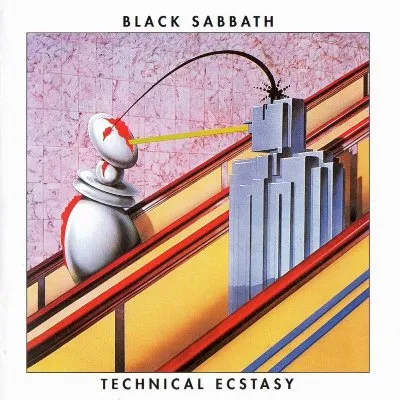
Technical Ecstasy
1976
Continues the heavy sound while introducing more experimental elements.
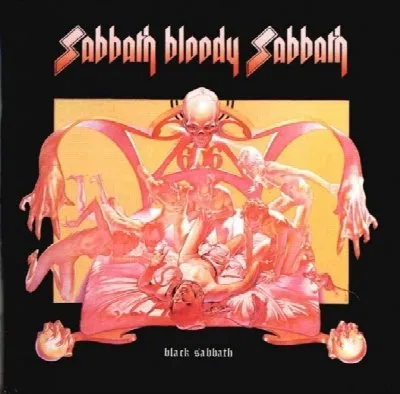
Sabbath Bloody Sabbath
1973
Sets a darker tone and complexity that leads into Sabotage's chaos.
Related records
If this landed
Records by other artists that run on the same instinct.
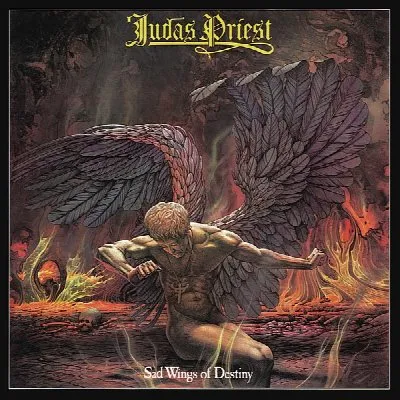
Sad Wings of Destiny
Judas Priest
Shares a similar blend of heavy riffs and complex arrangements with themes of inner turmoil.
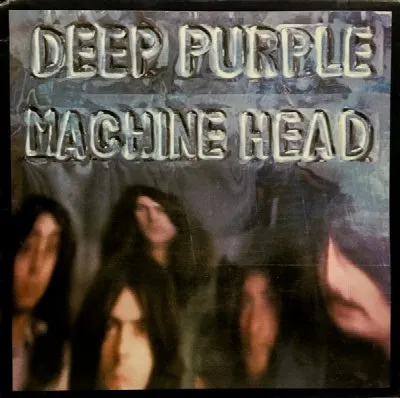
Machine Head
Deep Purple
Features intricate guitar work and explores themes of conflict, reflecting the pressures of rock stardom.
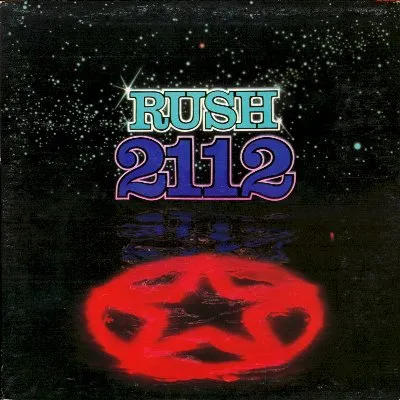
2112
Rush
Combines heavy progressive elements with lyrical themes of disillusionment and rebellion against authority.
Own the record
Some of these are affiliate links: a purchase may earn Northsound a small commission, at no cost to you. It never decides what we recommend or how we score.
Sources
The Weekly Dispatch
One record worth your time, every week — picked the way this page is.
One short email. Free, unsubscribe anytime. Read this week's.
Sync your library
Everything you track here works immediately — no account needed. Create one when you want to sync across devices.