

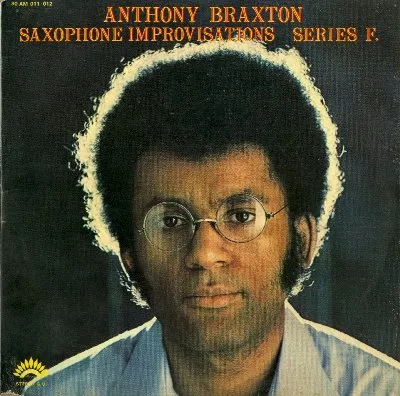
Saxophone Improvisations Series F
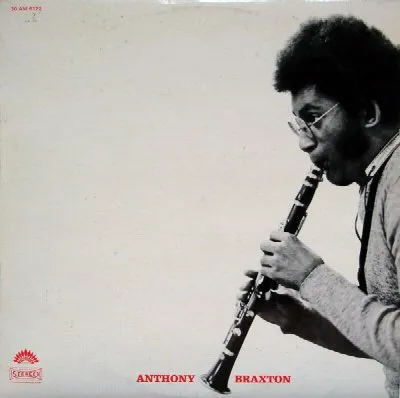
Anthony Braxton · 1972
38 min · 4 tracks · jazz
A radical fusion of avant-garde jazz and free improvisation that challenges conventional musical structures.
Top tracks — play these first
-
→
BWC-12 N-48 K (Stage 1-3) — This track exemplifies Braxton's ability to blend structured improvisation with spontaneous creativity, setting a template for future explorations in jazz.
-
→
NR-12-C (33 M) — With its lengthy runtime, this piece showcases Braxton's intricate layering of sounds and textures, pushing the boundaries of saxophone performance.
-
→
RFO-M° F (32) — This track highlights Braxton's unique use of silence and space within improvisation, creating a meditative yet complex listening experience.
Elevation
Our rating, out of 100 — and why.
AI-generated from five scored dimensions. An opinion, not a measurement.
InstrumentalBraxton's innovative improvisation and extended techniques create a distinctive and influential jazz experience.
What we noticed
- Each track features extended improvisational sections that explore various techniques, including multiphonics and circular breathing.
- The album consists of lengthy pieces, with the shortest track exceeding 10 minutes, allowing for deep exploration of themes.
- Composition 25% of the score
-
8/10
- Craft 20% of the score
-
9/10
- Durability 25% of the score
-
8/10
- Distinctiveness 18% of the score
-
9/10
- Sequencing 12% of the score
-
7/10
the writing — melody, harmony, structure, lyrics
production, performance, arrangement
whether it rewards returning to it
whether it sounds like itself
running order, pacing, length
Significant within its genre. Reported but not counted — how far a record travelled describes its reception rather than the record, and a newer release has had less time to travel than an older one.
Where this album fits
- In the catalog
- Experimental — Challenges conventional structures, showcasing avant-garde jazz and free improvisation.
- Themes
- avant-garde jazz exploration· AACM influence· structured improvisation
- Career context
- By 1972, Anthony Braxton was establishing himself as a leading figure in avant-garde jazz. 'Saxophone Improvisations Series F' followed his earlier works, showcasing his innovative approach to improvisation just after gaining recognition for his contributions to the AACM (Association for the Advancement of Creative Musicians). This album represents a significant evolution in his sound and compositional style.
- Stylistic neighbors
- Ornette Coleman· Sun Ra· Henry Threadgill
Tracklist
Best experienced from track one — press play and let it unfold.
- 1 BWC-12 N-48 K (Stage 1-3) 4:26
- 2 NR-12-C (33 M) 9:04
- 3 RFO-M° F (32) 6:50
- 4 JMK-80 CFN-7 17:54

If this landed
Records by other artists that run on the same instinct.
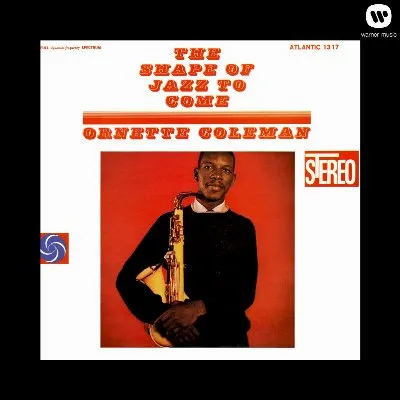
The Shape of Jazz to Come
Ornette Coleman
Explores free improvisation with a similar avant-garde spirit and challenges jazz conventions.
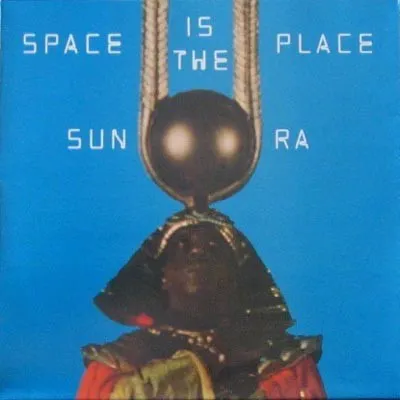
Space Is the Place
Sun Ra
Combines avant-garde jazz with cosmic themes and structured improvisation in a unique sonic landscape.
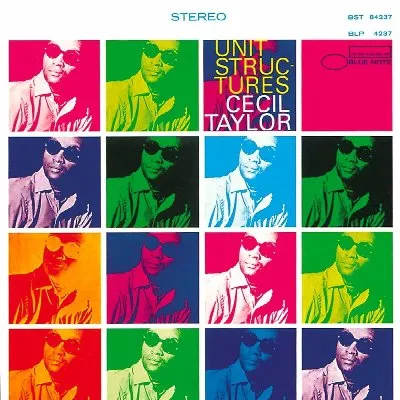
Unit Structures
Cecil Taylor
Features complex improvisational structures and an experimental approach to jazz similar to Braxton's work.
Reference: Wikipedia · MusicBrainz · Wikidata
Sync your library
Everything you track here works immediately — no account needed. Create one when you want to sync across devices.