

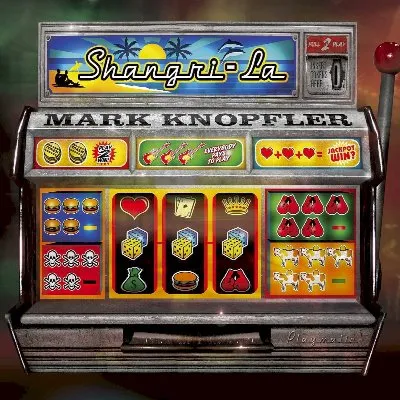
Shangri-La
Mark Knopfler · 2004
66 min · 14 tracks · blues
Knopfler’s unhurried guitar lines and gravelly voice carry stories through a warm landscape of blues and country rock.
Top tracks — play these first
-
→
5.15 a.m. Start here
-
→
Boom, Like That — Knopfler adopts the voice of Ray Kroc over a clipped, bluesy groove, turning the expansion of McDonald’s into a sharp character study of ambition.
-
→
The Trawlerman’s Song — A portrait of a fisherman’s working life gives Knopfler’s understated delivery room to do its work, while the measured arrangement carries the song’s weariness.
-
→
Our Shangri‐La — The title track opens the record’s sound outward with a spacious arrangement and gently sustained guitar, offering a quieter counterpoint to its tougher character portraits.
-
→
Song for Sonny Liston — A tough, blues-driven setting frames the boxer’s story without sanding down its violence or its sense of social exclusion.
-
→
Donegan’s Gone — This affectionate tribute to skiffle musician Lonnie Donegan connects Knopfler’s own musical generation to an earlier British popular-music pioneer.
Elevation
Our rating, out of 100 — and why.
AI-generated from five scored dimensions. An opinion, not a measurement.
The album showcases strong songwriting and craftsmanship but remains within familiar blues territory.
What we noticed
- The first half of the album features more upbeat tracks, while the second half shifts to slower tempos and introspective themes.
- Several songs incorporate storytelling elements, with lyrics that unfold narratives rather than simply conveying emotions.
- The guitar work is prominent throughout, often serving as a melodic counterpoint to the vocals, with solos that enhance the emotional weight of the songs.
- Composition 25% of the score
-
7/10
- Craft 20% of the score
-
8/10
- Durability 25% of the score
-
6/10
- Distinctiveness 18% of the score
-
6/10
- Sequencing 12% of the score
-
7/10
the writing — melody, harmony, structure, lyrics
production, performance, arrangement
whether it rewards returning to it
whether it sounds like itself
running order, pacing, length
Known within its scene. Reported but not counted — how far a record travelled describes its reception rather than the record, and a newer release has had less time to travel than an older one.
Where this album fits
- In the catalog
- Fan Favorite — Beloved by fans for its storytelling and musicality, fitting well in Knopfler's catalog.
- Themes
- fast-food empire· trawler-deck labor· Paraguay travel· Shangri-La longing
- Career context
- Released in 2004, Shangri-La was Mark Knopfler’s fourth solo studio album, following 2002’s The Ragpicker’s Dream. He recorded it at the Shangri-La studio in Malibu after recovering from a serious motorcycle accident in 2003.
Tracklist
- 1 5.15 a.m. Start here 5:56
- 2 Boom, Like That 5:51
- 3 Sucker Row 4:58
- 4 The Trawlerman’s Song 5:04
- 5 Back to Tupelo 4:33
- 6 Our Shangri‐La 5:43
- 7 Everybody Pays 5:26
- 8 Song for Sonny Liston 5:08
- 9 Whoop de Doo 3:55
- 10 Postcards From Paraguay 4:09
- 11 All That Matters 3:11
- 12 Stand Up Guy 4:35
- 13 Donegan’s Gone 3:06
- 14 Don’t Crash the Ambulance 5:08
What to play next
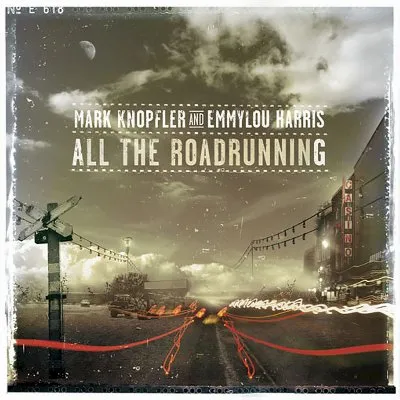
All the Roadrunning
2006
Continues the storytelling and melodic elements with a fresh collaboration feel.
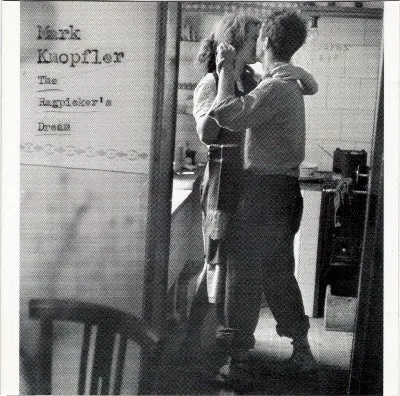
The Ragpicker's Dream
2002
Sets the stage with similar introspective themes and musical style.
If this landed
Records by other artists that run on the same instinct.
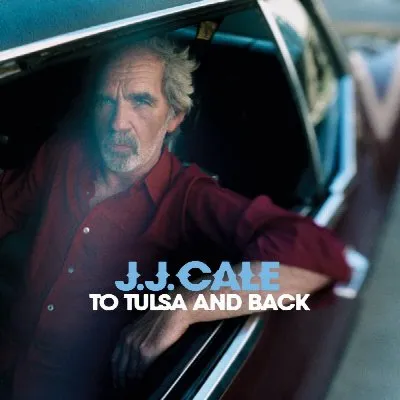
To Tulsa and Back
J.J. Cale
Pairs understated vocals with unhurried blues-country grooves and economical, melodic guitar work.
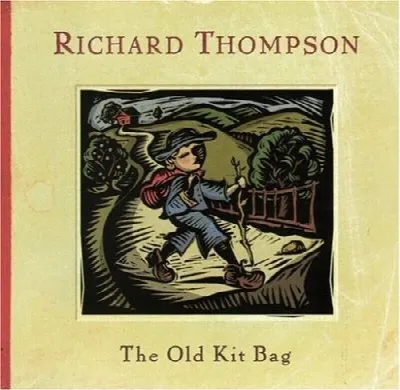
The Old Kit Bag
Richard Thompson
Combines vivid character-driven stories with intricate guitar lines and a restrained roots-rock sound.
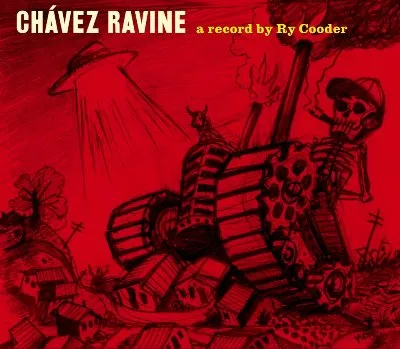
Chávez Ravine
Ry Cooder
Uses roots music and place-specific storytelling to evoke working lives, travel, and fading communities.
Reference: Wikipedia · MusicBrainz · Wikidata
Sync your library
Everything you track here works immediately — no account needed. Create one when you want to sync across devices.